 ×
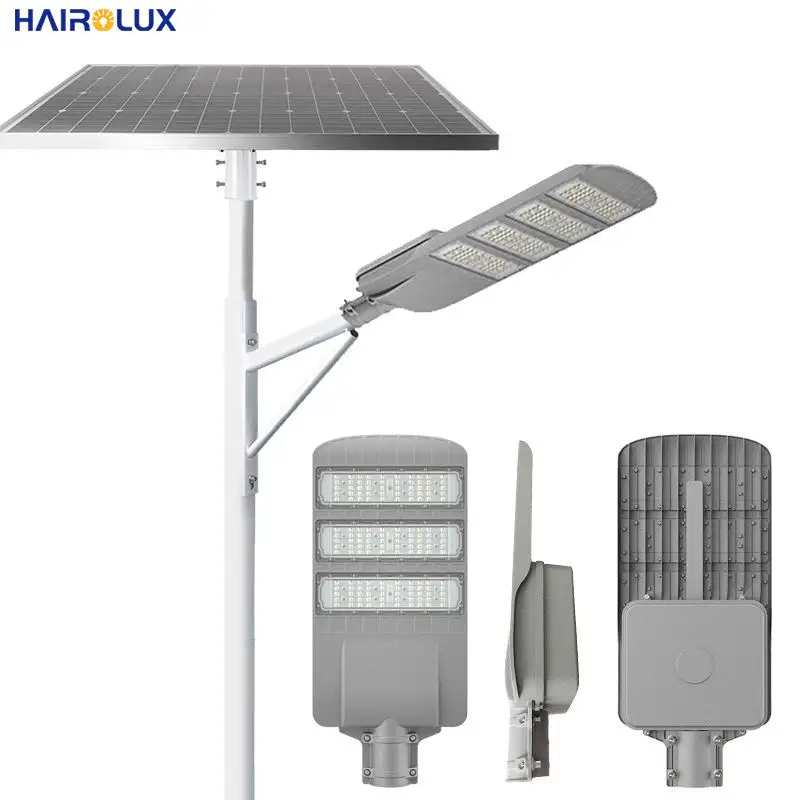
The Rural Lighting Challenge Rural roadways, village squares, and farm paths share a common problem: grid extension costs are prohibitive. Running a new utility line to a remote lighting point can cost $5,000 to $15,000 per kilometer in trenching, ...
VIEW MORE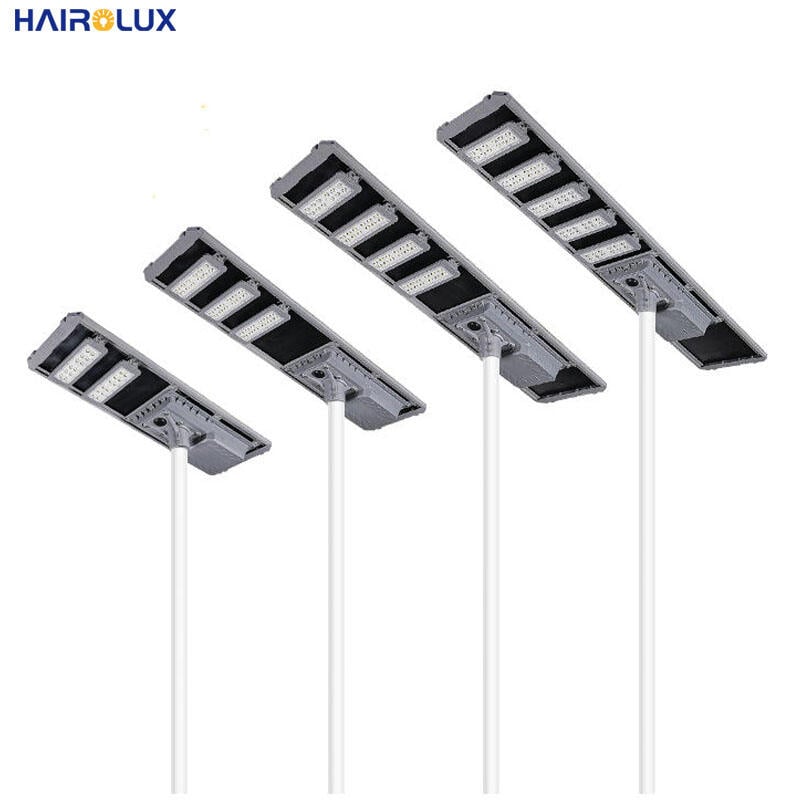
The All-in-One Architecture — What It Eliminates An integrated solar street light houses the solar panel, LED luminaire, lithium battery, and MPPT charge controller in a single weather-sealed enclosure. This eliminates three things: field wir...
VIEW MORE
What Rural Road Lighting Needs from a Solar Lamp A solar lamp on a rural road 50 kilometers from the nearest town cannot depend on daily maintenance visits, grid power, or a technician arriving within 24 hours. It must operate autonomously — ...
VIEW MORE
Why Wattage Alone Doesn’t Determine Solar Flood Light Performance for Parking LotsThe Misconception: Equating Higher Watts with Better IlluminationMany facility managers assume that a higher wattage solar flood light automatically delivers brighter, ...
VIEW MORE
Key Performance Metrics of a Solar Flood Light for GardensLumens, Runtime, and Charging Efficiency: Balancing Ambience and UtilityBrightness—measured in lumens—directly determines illumination strength. For most gardens, 500–2,000 lumens strikes the ...
VIEW MORE
Superior Energy Efficiency and Municipal Cost SavingsHow LED street light technology cuts energy use by 40–60% vs. HPS and metal halideAdoption of energy-efficient LED street lighting represents a fundamental shift in how municipalities consume power...
VIEW MORE
Why Multi-Scene Dimming Is Essential for Modern LED Stadium Light SystemsOperational Demands: From Broadcast Requirements to Fan Experience and Energy ComplianceModern stadiums serve multiple stakeholders—broadcasters, fans, and venue operators—each ...
VIEW MORE
Clean Solar Panels Regularly to Maximize Energy HarvestWhy dust, pollen, and bird droppings cut solar lamp efficiency by up to 25%Debris accumulation creates a physical barrier between sunlight and the photovoltaic cells of a solar lamp. Dust, pollen...
VIEW MORE
Energy Efficiency: Lower Power Demand, Higher Lumen OutputModern LED street lamps achieve luminous efficacies of 130–200 lm/W—more than double the 50–100 lm/W typical of traditional high-pressure sodium (HPS) and compact fluorescent (CFL) lamps. This...
VIEW MORE
Why Lithium Iron Phosphate (LiFePO₄) Is the Most Reliable Battery for Solar Street Lamps Thermal Stability and Intrinsic Safety for Unattended Outdoor Operation Being resistant to thermal runaway is a key advantage of using LiFePO₄ batteries for so...
VIEW MORE
Survey regional lighting needs and applicable regulations. - Zoning suggested lux levels: Walkways = 10-20 lux | Playgrounds = 20-30 lux | Perimeter/low-traffic areas = 5-10 lux Implementing specific illuminance levels in varied park zones is criti...
VIEW MORE
Performance Assessment of Solar Street Light and Site Evaluation Conducting on-site evaluations of shading, topography, and lighting A successful installation of solar street lights begins with an on-site evaluation. The first step is to check shad...
VIEW MORE
 EN

