
 EN
EN



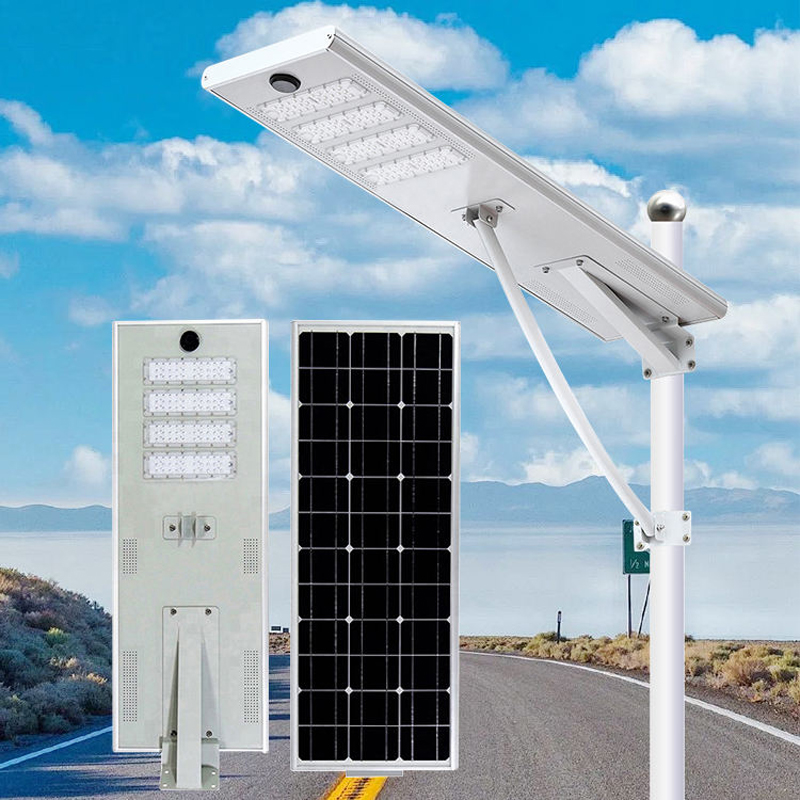
Key Performance Metrics of a Solar Flood Light for Gardens
Lumens, Runtime, and Charging Efficiency: Balancing Ambience and Utility
Brightness—measured in lumens—directly determines illumination strength. For most gardens, 500–2,000 lumens strikes the right balance: sufficient for safety and ambiance without glare or light pollution. Runtime hinges on battery capacity (≥2,000 mAh recommended) and daily solar exposure—not just panel size, but how effectively it converts light. Commercial-grade monocrystalline panels deliver 18–22% efficiency, enabling reliable recharge even after partial cloud cover. Lithium-ion and LiFePO4 batteries significantly outperform older NiMH options in cycle life, temperature resilience, and energy retention—critical for consistent winter performance.
| Performance Factor | Role in Garden Lighting | Optimal Range |
|---|---|---|
| Lumens | Illumination intensity | 500–2,000 |
| Battery Capacity | Nightly operation duration | ≥ 2,000 mAh |
| Panel Efficiency | Daily recharge capability | 18–22% |
A 2023 field study found that lights with panel efficiency below 18% failed to fully recharge after three consecutive cloudy days, cutting average winter runtime by 47%.
Color Temperature (Kelvin) and Beam Angle: Crafting Mood vs. Visibility
Color temperature (K) shapes the garden’s emotional tone:
- 2,700–3,000K delivers warm white light—ideal for patios and seating areas where relaxation is the priority.
- 4,500–5,500K offers daylight white, enhancing contrast and detail for security zones, entrances, and utility spaces.
Beam angle governs spatial impact: narrow beams (≤60°) spotlight features like sculptures or specimen trees; wide 120° spreads provide even pathway coverage. Pairing warm color temperatures with wide beams softens transitions between lit and unlit areas, while cooler tones paired with focused beams increase perceived alertness and clarity.
IP Rating and Build Materials: Ensuring Weatherproof Reliability Year-Round
An IP65 rating is the practical minimum for garden flood lights—guaranteeing protection against low-pressure water jets and total dust ingress. In coastal or high-humidity regions, die-cast aluminum housings outperform plastic by resisting corrosion and thermal expansion, maintaining structural integrity and heat dissipation over time. Independent testing shows aluminum-housed units retain full functionality 73% longer than plastic equivalents under sustained salt-spray exposure.
Decorative Integration vs. Functional Illumination with Solar Flood Lights
Aesthetic Design Elements: Fixture Style, Finish, and Scale for Garden Harmony
Solar flood lights no longer sacrifice design for function. A cohesive aesthetic begins with intentional material and finish choices: matte black or brushed aluminum complements modern landscapes; aged bronze or powder-coated copper integrates seamlessly into cottage, heritage, or woodland gardens. Scale must align with context—a compact 10-watt unit nestles naturally among ornamental grasses or foundation plantings, while a larger 20–30W fixture anchors architectural elements like pergolas or retaining walls. When selected thoughtfully, the light becomes part of the garden’s visual rhythm—not an add-on.
Strategic Placement: Pathways, Architectural Features, and Security Zones
Placement transforms intent. For ambient guidance, mount low along pathways (12–18 inches above grade) using wide-beam, warm-white fixtures to create gentle, even washes. Uplighting vertical elements—trees, walls, or columns—with narrow-beam, cooler-toned lights adds depth and drama while preserving natural silhouettes. For security, prioritize corners of buildings, garage entries, and blind spots near decks or sheds; pair with motion-triggered dim-to-bright logic to minimize light trespass while maximizing responsiveness. Layering multiple fixtures at varying heights and beam angles ensures both functional coverage and layered nighttime interest.
Critical Hardware Components That Impact Solar Flood Light Effectiveness
Solar Panel Efficiency, Battery Capacity, and LED Quality in Real-World Conditions
Three hardware elements define real-world reliability:
- Solar panels: Monocrystalline cells (18–22% efficient) maintain usable output under dawn/dusk light, light shade, or overcast skies—unlike polycrystalline alternatives, which drop off sharply in suboptimal conditions.
- Batteries: While lithium-ion offers higher energy density for compact designs, LiFePO4 excels in longevity (2,000+ cycles vs. ~500–800 for standard Li-ion) and thermal stability—especially valuable in regions with summer heat spikes or freezing winters.
- LEDs: Premium chips from manufacturers like Cree or Samsung sustain >90% lumen maintenance after 25,000 hours, minimizing visible dimming and color shift over time. Lower-tier LEDs often degrade 20–30% faster, compromising both utility and ambiance within two seasons.
Together, these components determine whether a solar flood light performs dependably across seasons—or fades into inconsistency when you need it most.
FAQs About Solar Flood Lights
What are lumens, and how many do I need for my garden?
Lumens measure the brightness of light. For a garden, 500–2,000 lumens is typically sufficient to balance safety, ambiance, and avoid glare or light pollution.
What battery capacity is ideal for solar flood lights?
A battery capacity of ≥2,000 mAh is recommended for optimal nightly operation duration and reliable performance.
What does the IP65 rating mean?
An IP65 rating ensures protection against low-pressure water jets from all directions and total dust ingress. This is the minimum recommended for outdoor solar floodlights.
What is the ideal color temperature for garden lighting?
Warm white light (2,700–3,000K) works well for cozy seating areas, while daylight white (4,500–5,500K) is better suited for security zones and pathways requiring higher visibility.
Why is build material important for garden flood lights?
Durable materials like die-cast aluminum resist corrosion, thermal expansion, and wear from weather, ensuring long-lasting reliability, especially in coastal or high-humidity areas.