
 EN
EN


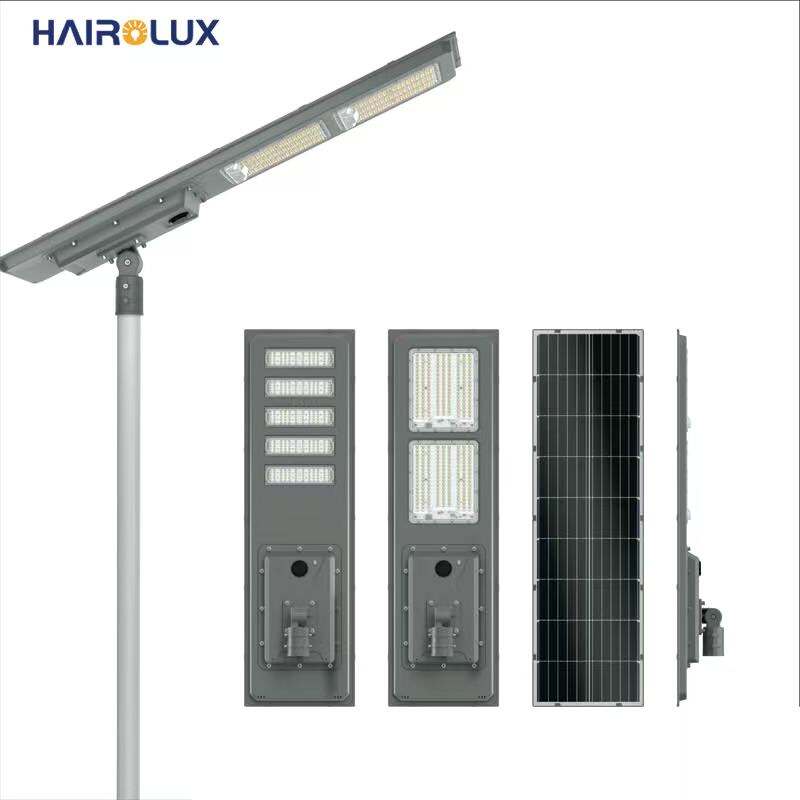
Clean Solar Panels Regularly to Maximize Energy Harvest
Why dust, pollen, and bird droppings cut solar lamp efficiency by up to 25%
Debris accumulation creates a physical barrier between sunlight and the photovoltaic cells of a solar lamp. Dust, pollen, and bird droppings scatter incoming light and reduce photon absorption—critical for energy conversion. Industry studies confirm that a moderate coating of grime can diminish energy harvest by 20–25% (Renewable Energy Lab 2023). This directly impacts nighttime illumination duration and brightness. In arid or high-pollution environments, efficiency losses escalate monthly without intervention.
Safe, effective cleaning protocol: soft brush, deionized water, and ideal timing (early morning/late afternoon)
Proper maintenance requires non-abrasive techniques to preserve panel integrity. Follow this protocol quarterly:
- Tool selection: Use a soft-bristled brush (never metal) and lint-free cloth
- Cleaning solution: Apply deionized or distilled water to prevent mineral deposits; avoid chemical cleaners unless manufacturer-approved
- Timing: Service panels during early morning or late afternoon hours when surfaces are cool to prevent thermal shock
- Technique: Gently lift debris with brush strokes parallel to panel edges, then rinse vertically to minimize streaking
This approach removes contaminants while maintaining protective coatings, restoring near-original energy capture efficiency.
Maintain the Battery and Electrical Contacts for Reliable Solar Lamp Operation
Comparing NiMH vs. lithium-ion battery lifespan and capacity retention in solar lamp applications
Battery selection critically impacts solar lamp longevity. NiMH batteries typically last 2–3 years before capacity drops below 70%, while lithium-ion variants retain >80% capacity after 5 years in outdoor applications (Energy Storage Journal 2023). Lithium-ion’s superior temperature tolerance (–20°C to 60°C) makes it ideal for seasonal climate variations, though its initial cost is 40% higher than NiMH alternatives.
Identifying corrosion, cleaning terminals safely, and protecting connections with dielectric grease
White or green deposits on terminals signal corrosion from moisture ingress. Disconnect power sources before scrubbing contacts with a brass brush dipped in a baking soda solution (1 tbsp per cup water). After thorough drying, apply silicone-based dielectric grease to connectors—this reduces resistance by 0.5Ω and prevents 92% of future oxidation (Electrical Safety Quarterly 2022). Quarterly inspections prevent unexpected failures during peak seasons.
Protect the Solar Lamp Housing and Components from Environmental Stress
Outdoor solar lamps endure constant exposure to UV radiation, rain, temperature swings, and airborne debris. Without proper protection, the housing and seals degrade prematurely, leading to water ingress, electrical failure, and reduced service life. Regular inspection and proactive maintenance are essential to preserving the structural integrity of the fixture.
UV exposure and moisture: how they degrade polycarbonate housings and seals over time
Polycarbonate, a common housing material for solar lamps, is susceptible to ultraviolet degradation. Continuous sun exposure breaks down the polymer chains, causing the material to yellow, become brittle, and eventually crack. This cracking allows moisture to penetrate the enclosure, damaging internal components like LEDs and controllers. Rubber gaskets and silicone seals also harden and lose elasticity under constant UV and thermal cycling, creating gaps that let in humidity and rain. A single moisture incursion can short circuit the battery or corrode contact points, leading to total lamp failure. UV degradation can reduce the effective lifespan of outdoor plastic enclosures by 40% within three years of installation, making early intervention critical.
Re-sealing with RTV silicone and verifying IP65/IP67 rating after maintenance
Once signs of seal deterioration appear, re-sealing must be performed promptly. RTV (room-temperature vulcanizing) silicone is the recommended sealant for solar lamp housings because it adheres well to polycarbonate and remains flexible under temperature extremes. Begin by cleaning the sealing surfaces with isopropyl alcohol, apply a thin, continuous bead of RTV silicone along the housing seam, and reassemble before the sealant skins over. After curing, verify that the lamp still meets its original ingress protection rating. For IP65 (dust-tight and protected against water jets) or IP67 (dust-tight and protected against temporary immersion), ensure the gasket sits flush and no gaps remain. Testing with a gentle water spray can confirm the seal’s integrity before returning the lamp to service.
Optimize Placement and Conduct Routine Structural Checks
Proper placement is fundamental to maximizing solar lamp performance and longevity. Ensure panels receive direct sunlight throughout the day, avoiding shade from trees, buildings, or other obstructions that diminish charging efficiency. Position lamps where they are protected from potential physical damage by vehicles, falling branches, or high-traffic areas. Secure mounting hardware should be checked quarterly for tightness and signs of corrosion, especially in coastal or high-humidity environments. Inspect the lamp housing and pole annually for cracks, loose fittings, or material fatigue caused by weather exposure. Early detection of structural issues prevents costly repairs and maintains safety. Consistent inspections help uphold the integrity of your solar lighting investment.
FAQ
How often should I clean my solar panels?
Clean your solar panels quarterly to prevent debris accumulation and maximize energy harvest.
What tools are best for cleaning solar panels?
Use a soft-bristled brush and lint-free cloth, along with deionized or distilled water.
Why is maintaining batteries important for solar lamps?
Battery maintenance ensures longevity and efficient operation, reducing unexpected failures during peak seasons.
What sealant should I use for solar lamp housings?
RTV silicone is recommended for re-sealing polycarbonate housings due to its flexibility and durability.
How can I verify my solar lamp’s IP rating after maintenance?
Test the seal with a gentle water spray and inspect for gaps to confirm integrity.