
 EN
EN



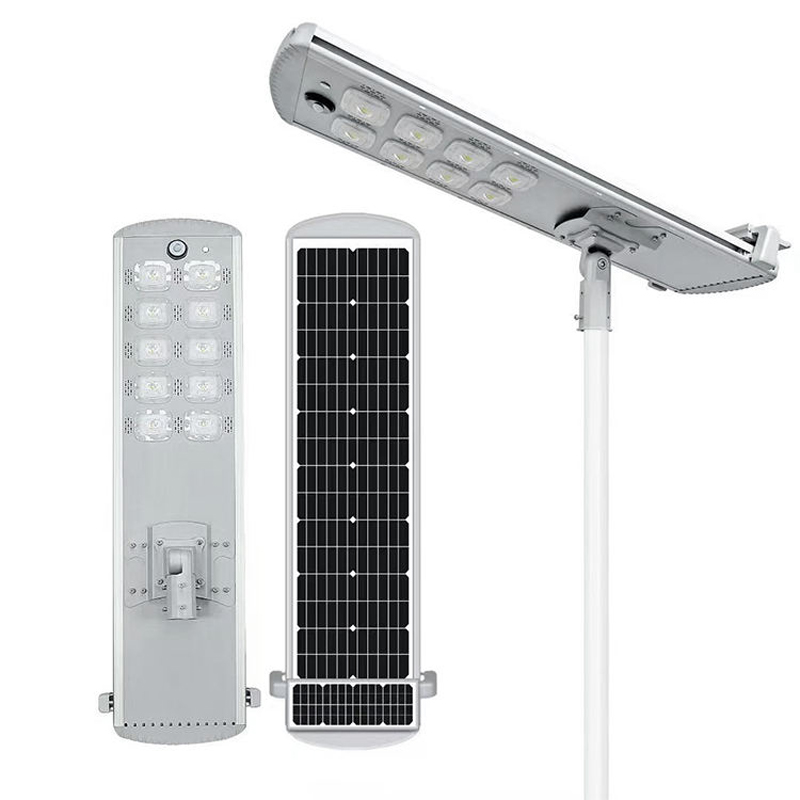
Survey regional lighting needs and applicable regulations.
- Zoning suggested lux levels: Walkways = 10-20 lux | Playgrounds = 20-30 lux | Perimeter/low-traffic areas = 5-10 lux
Implementing specific illuminance levels in varied park zones is critical for safety and optimal performance while managing energy consumption. Walkways need a minimum of 10-20 lux to ensure path visibility, playgrounds need more, 20-30 lux, to promote active, dynamic use, and perimeter or low-traffic zones are designed to allow ambient light for security without light pollution in the range of 5-10 lux. These targets conform to CIE 115:2010 and suggest a 40% improvement in reducing tripping hazards, a crucial concern for children and the elderly. Guidelines for the installation of solar street lamps, shielding incorporated, are designed to protect from exceeding illuminance levels. Over-illuminating will lead to a waste of battery capacity and most likely result in a disturbance to predator/prey relationships among nocturnal animals and can result in significant discomfort due to glare.
Site Restrictions and Compliance: Incorporating factors such as shading analysis, pathway design, pedestrian density, and safety regulations such as EN 13201, IES RP-8, and the local solar lighting laws.
If solar lighting patterns are based on restrictions, your implementation is more likely to be flawless. First, use sun path diagrams and shadow analysis to help place your solar panels away from canopy cover and building structures that may interfere with daily charging. Use pedestrian activity patterns near benches, doorways, and other traffic spots to devise your own design for the lighting. Compliance with regulations and constraints are as follows:
EN 13201 path design and alignment in linear spatial arrangements
IES RP-8 - glare control (UGR < 19) in areas that are already light, such as playgrounds
Local regulations on light pollution marches (e.g. < 0.5 fc at the property line)
Incorporating these elements in the initial design phase is predicted to save 70% of retrofit costs as documented in the U.S. Department of Energy's Municipal Lighting Initiative case studies.
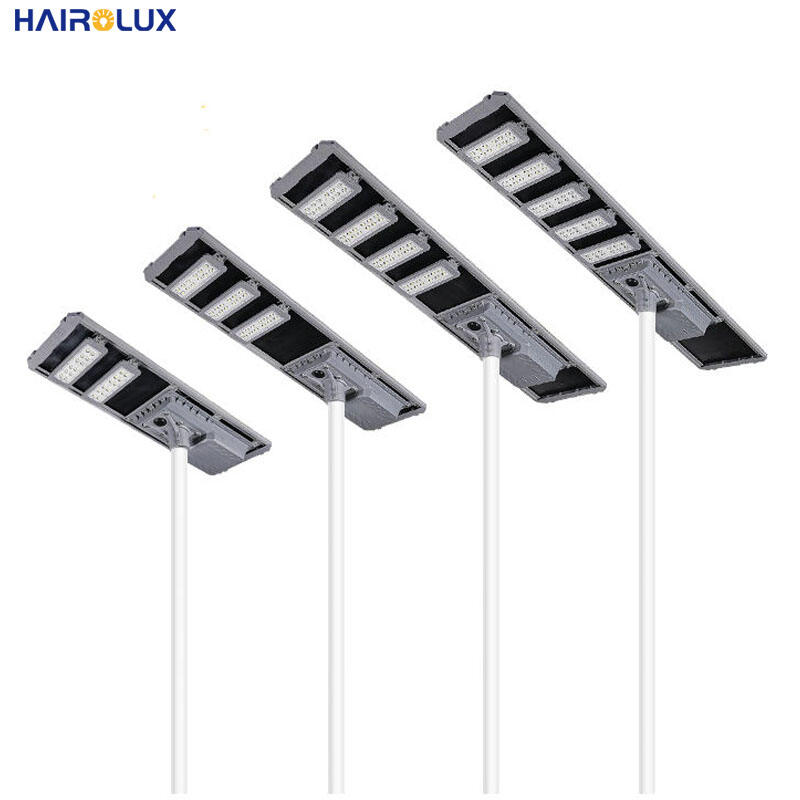
Solar Street Lamps: Uniform Photometric Layout Setting
Unlike solar lamps, street lights illuminate areas of their concern based on calculations and scientific data, as opposed to assumptions. Proper site evaluation and lighting analysis prior to installation will ensure an even distribution of light and may save battery power by avoiding unintended over-illumination.
Apply three key metrics: Illuminance, uniformity ratio (U1 ≥ 0.4, U2 ≥ 0.7), and disability glare control (UGR < 22), for park environments.
Every metric is interconnected:
Functional visibility is determined by Illuminance in lux (i.e. Walkways: 10-20 lux; playgrounds 20-30 lux; according to CIE 115:2010).
Uniformity ratios (U1, U2) prevent dangerous contrast. To eliminate disorienting shadows, U1 ≥ 0.4 and U2 ≥ 0.7, according to IES RP-8.
Glare control is UGR favorable and must be < 22 in parks, and < 19 in play zones to help avoid visual discomfort and disability glare according to CIE 112: 1994 and IES RP-8.
These parameters guarantee the lighting supports safety and user experience while maintaining energy resilience.
Simulation-driven placement focuses on placement, height, tilt, and spacing of poles to even out light distribution and eliminate dark zones.
Automatic photometric software like Dialux and AGi32, along with advanced terrain and foliage data, related fixture data, and advanced battery load profiles, allow planners to model real world conditions and optimize light fixture placement, height and tilt to accommodate user preferences. Battery load profiles based on real world needs can be set to runtime and output load determined by users. These advances optimize light fixture placement as needed to light an area and avoid the challenges of over-illumination while achieving required light overlap.
Studies from the 2023 PV Systems Efficiency Report quantified the challenges of over-illumination, which batteries were designed to work in light of real world battery load from the fixture, by quantifying the ways in which over-illumination works to shorten system autonomy by as much as 30% during the night. Simulation driven battery load profiles work to ensure >90% area coverage and eliminate as much as 40% of dark areas when compared to traditional placement, and optimize light fixture placement to prevent the challenges that come with system autonomy.
Solar Lamp Hardware Configuration and Layout Strategy
Pole height and spacing: Height to distance ratio is between 3:1 and 4:1
It is essential to design the spacing of poles in accordance with the desired height of the poles to ensure optimal light coverage and energy usage. For example, for a pole of height 6 m, spacing of 18 to 24 m is preferred. Poles in tall, open areas should be placed farther apart and work in tighter, constrained areas should be dispersed 15%-20% closer than the recommended distance to maintain even light coverage. For spatial design, ensure the working light placement is balanced to the desired targets to the lowest and highest targets before implementation. This will prevent spatial design flaws which cannot be solved by adjusting light placement in only one of the areas.
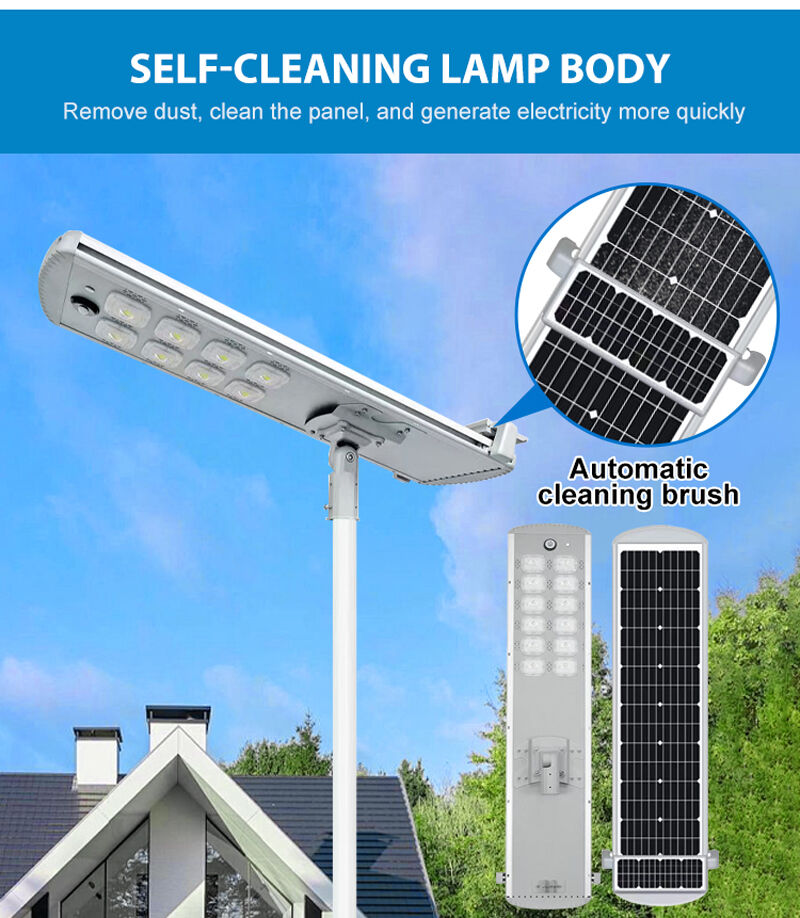
Optimizing light installation: know the lumen output, rated autonomy, and intervention ratings
There are specific light requirements for different areas of a park (housing lighting for the whole park is a poor way to go about self-sustaining lighting for the park; spaced enough for cost efficiency, sustainable battery autonomy, and enough lumens during night time for safety are the requirements for park housing lights) as well as trade-offs for maintenance and system longevity. Setting clear limits for different areas of safety facilitates proper self-sustaining lighting. By knowing the limits, over usage of lights is avoided:.
FAQ
What is the significance of having different lux requirements for different park zones?
Lux requirements are implementation standards for things like safety and ease of use, and energy conservation. For example, 10–20 lux are recommended for walkways, while 20–30 lux is recommended for playgrounds. These requirements aim to improve user experience and limit accidents.
What is the importance of photometric planning for solar street lamps?
Photometric planning is used to minimize illuminated dark spots and preserve battery life by limiting illumination, ensuring consistent lighting. Programs such as Dialux and AGi32 help determine the best pole height, spacing, and light rotation.
What role do solar lights design elements and local regulations play?
Shading, path design, and pedestrian movement are the main determinants for lamp positioning. Local regulations along with EN 13201 and IES RP-8 standards for uniformity and glare, are used to control light pollution.
What do solar street lights require?
Solar street lights are required to have certain lumen output (typically 2,000–6,000 lm), battery autonomy (3-5 nights), and high environmental ratings (i.e.., water and dust resistant rated IP65+ and impact protection rated IK10) .