
 EN
EN



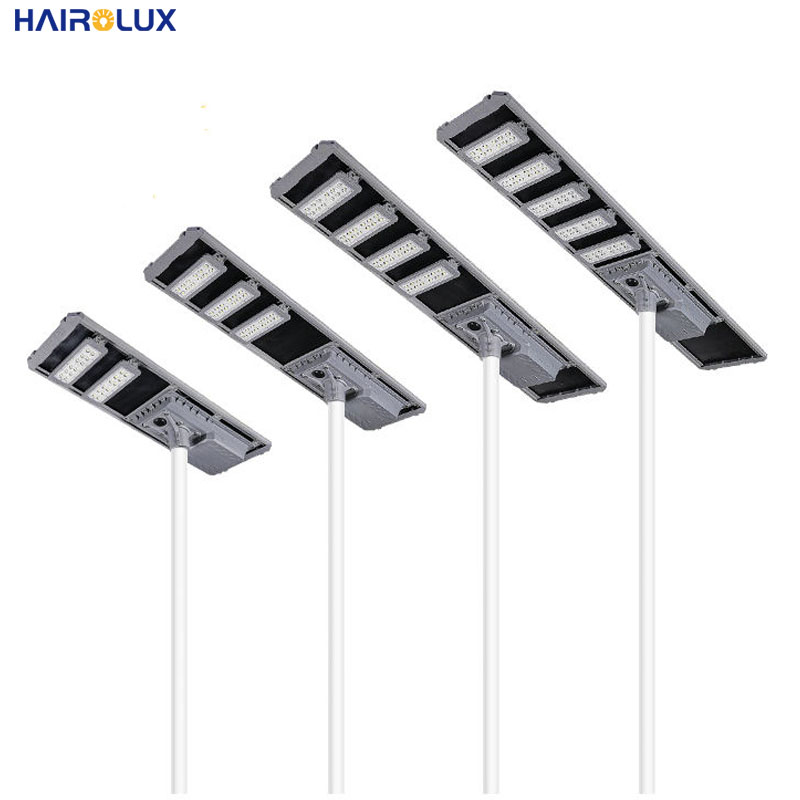
Energy Efficiency: Lower Power Demand, Higher Lumen Output
Modern LED street lamps achieve luminous efficacies of 130–200 lm/W—more than double the 50–100 lm/W typical of traditional high-pressure sodium (HPS) and compact fluorescent (CFL) lamps. This means an LED fixture delivers equivalent brightness using roughly half the electrical power. The leap in efficiency stems from advanced chip design and superior thermal management, which convert more energy into visible light and less into waste heat. For rural roads—where long stretches must be lit on limited or aging electrical infrastructure—this performance is transformative. It allows municipalities to maintain required illumination levels with fewer fixtures or lower-wattage units, deferring costly grid upgrades.
The resulting reduction in power demand translates directly into operational savings: rural communities typically cut lighting energy bills by 40–60% when replacing HPS or CFL systems with LEDs. Over a standard 10-year lifespan, these savings free up budget for other critical infrastructure needs. Crucially, lower wattage also reduces strain on rural distribution networks—minimizing voltage drop, transformer overloading, and the need for expensive line extensions. That combination of high lumen output and low power consumption makes LED street lamps the most cost-effective and grid-resilient choice for rural applications.
Extended Lifespan and Minimal Maintenance in Hard-to-Reach Areas
50,000+ hour LED street lamp lifespan reduces maintenance trips by up to 70%—critical for remote rural roads
Rural road networks often span vast, sparsely populated areas with poor access for maintenance crews. A high-quality LED street lamp rated for 50,000+ hours operates three to five times longer than conventional HPS or CFL fixtures—significantly reducing replacement frequency. For municipalities, this durability cuts annual maintenance trips by up to 70%. In remote locations, where a single service call can cost hundreds of dollars in travel, labor, and equipment mobilization, those reductions compound rapidly. Fewer site visits also mean less traffic disruption and lower safety risk for field technicians. By choosing proven LED street lamp technology, rural communities secure reliable, long-term illumination with minimal ongoing intervention.
Optimized Brightness and Light Distribution for Rural Road Safety
High-brightness LED street lamp uniformity improves peripheral visibility on narrow, unmarked rural roads
On narrow, unmarked rural roads—where edge lines, signage, and shoulder delineation are often absent—peripheral visibility is essential for timely hazard detection. High-brightness LED street lamps with precisely engineered optics deliver uniform light distribution across the roadway surface, softening harsh contrast between lit pavement and dark roadside zones. Uniformity ratios of 3:1 or better (average-to-minimum luminance) eliminate shadowed “dark pockets” that conceal pedestrians, wildlife, or debris. This consistent illumination supports faster driver reaction times and contributes directly to safer nighttime travel: research cited by the Federal Highway Administration shows well-designed roadway lighting can reduce nighttime crash rates by up to 30%.
Meeting IES RP-8 guidelines with adaptive photometric design for low-traffic rural corridors
The Illuminating Engineering Society’s RP-8 standard defines recommended luminance levels, uniformity ratios, and glare control criteria for roadway lighting based on traffic volume and functional classification. For low-traffic rural corridors, Type II and Type III photometric distributions—designed to project light laterally and longitudinally with minimal overspill—are especially effective. These optics meet RP-8’s target average luminance range of 0.6–1.0 cd/m² while maintaining low power draw and eliminating upward light waste. By aligning LED street lamp specifications with RP-8, municipalities ensure regulatory compliance, maximize safety outcomes, and prevent disabling glare for oncoming drivers—without over-lighting or over-engineering the solution.
Off-Grid Compatibility: Solar-Ready Low-Power LED Street Lamp Systems
Solar-integrated LED street lamp systems combine low-power LED fixtures, high-efficiency monocrystalline solar panels, and long-life lithium iron phosphate (LiFePO₄) batteries into fully autonomous lighting solutions. These systems operate independently of the utility grid—making them ideal for rural roads where extending power lines would be prohibitively expensive or logistically unfeasible. During daylight hours, solar panels charge the battery; at night, stored energy powers the LED lamp. Modern LiFePO₄ batteries typically last 5–7 years (2,000+ cycles), while the LED modules themselves often exceed 100,000 hours—ensuring over a decade of maintenance-light operation. For rural municipalities, solar-ready LED street lamps eliminate recurring electricity costs, avoid fossil-fuel dependency, and deliver dependable illumination in the most remote locations—turning energy constraints into opportunities for resilient, sustainable infrastructure.
FAQ
Q: What makes LED street lamps more energy efficient?
A: Modern LED street lamps achieve luminous efficacies of 130–200 lm/W, delivering equivalent brightness using roughly half the electrical power of traditional HPS or CFL lamps. Advanced chip design and superior thermal management contribute to this efficiency.
Q: How do LEDs reduce maintenance costs for rural areas?
A: High-quality LEDs have a lifespan of over 50,000 hours, significantly reducing replacement frequency. This decreases maintenance trips by up to 70%, which is particularly beneficial in remote, hard-to-reach areas.
Q: How do LED street lamps enhance safety on rural roads?
A: LED street lamps provide uniform light distribution, eliminating dark spots and increasing peripheral visibility. This contributes to faster driver reaction times, reducing nighttime crash rates by up to 30%, according to research.
Q: Can LED street lamps operate without connecting to the power grid?
A: Yes, solar-ready LED street lamp systems combine low-power LED fixtures, solar panels, and lithium iron phosphate batteries to deliver off-grid lighting solutions, ideal for remote areas without electricity access.
Q: Are LED street lamps compliant with roadway lighting standards?
A: Yes, LED street lamps can be configured to meet IES RP-8 standards, ensuring optimal luminance levels, uniformity ratios, and glare control for rural road safety.