
 EN
EN



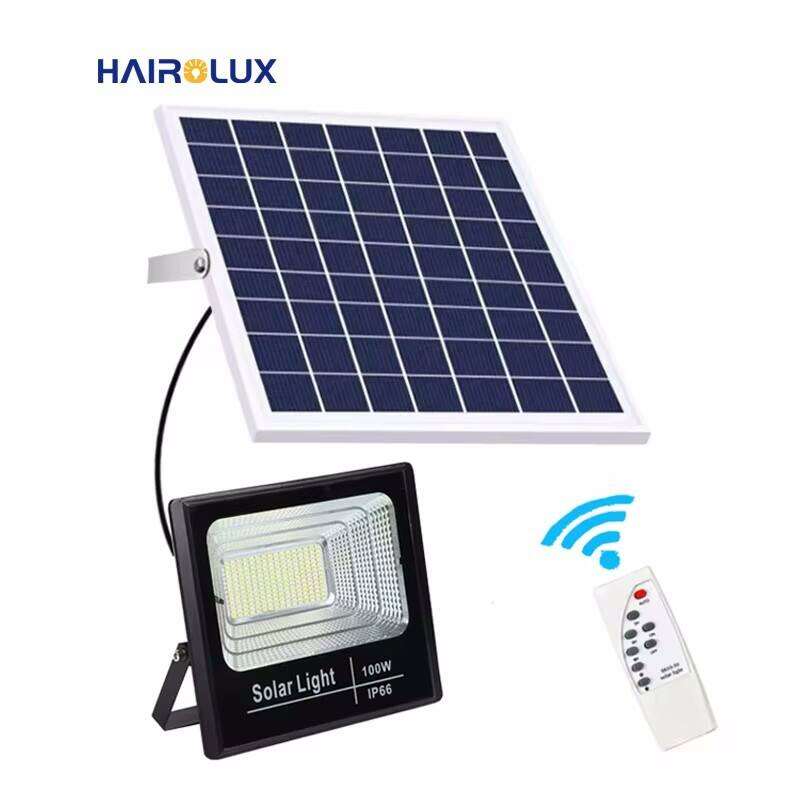
What Rural Road Lighting Needs from a Solar Lamp
A solar lamp on a rural road 50 kilometers from the nearest town cannot depend on daily maintenance visits, grid power, or a technician arriving within 24 hours. It must operate autonomously — charging during daylight, illuminating through the night, continuing for years with zero intervention beyond occasional panel cleaning and end-of-life battery replacement. Rural road lighting demands a solar lamp designed for neglect: oversized battery capacity for cloudy-day autonomy, a solar panel angled for year-round charge, and LED efficacy sufficient to illuminate the road from available pole height.
Autonomy, Durability, and Zero Maintenance
A rural solar lamp specification begins with autonomy — consecutive overcast days the system sustains full-night illumination. Three days minimum; five days recommended for regions with extended rainy seasons. The LiFePO4 battery must deliver nightly watt-hours multiplied by autonomy without discharging below 20% state of charge. Durability requires IP65 or higher enclosure rating and corrosion-resistant aluminum or stainless steel housing. The LED array should use chips with documented LM-80 lumen maintenance data, ensuring output above 70% of initial brightness after 50,000 hours.
Real-World Case — A Village Road Project in West Africa
A village electrification project in rural Ghana needed to light 3 kilometers of unpaved access road connecting a farming community to the regional highway. Grid extension was cost-prohibitive — an estimated $120,000 for poles, cabling, and transformer installation over the distance. The project specified 30 all-in-one integrated solar lamp units from Hairolux, each with 60W solar panel, 30W LED array, and 48Ah LiFePO4 battery providing 5 days' autonomy. Units were pole-mounted at 6-meter height with 40-meter spacing, producing an average of 15 lux on the road surface — sufficient for pedestrian and low-speed vehicle navigation. Installation took four days with a team of six workers — no trenching, no cabling, no grid connection required. After two years of operation through two rainy seasons with multiple consecutive overcast days, all 30 units remain operational with battery capacity at 92% of initial rating.
Comparing Solar Lamp Types for Rural Roads
All-in-One Integrated, Split-Type, and Pole-Mounted Systems
An all-in-one integrated solar lamp combines panel, battery, charge controller, and LED in a single weatherproof housing — simplest installation, fewest failure points. Split-type systems separate the panel (pole top) from battery and LED (lower for access), allowing larger components but adding cable connections. Traditional pole-mounted systems mount panel on top, battery at base, LED arm extending — maximum component flexibility, maximum installation complexity. For rural roads where installation simplicity and cable-free reliability are priorities, all-in-one designs are the strongest choice.
Technical Specifications That Matter
Battery, Solar Panel, LED Efficacy, and IP Rating
Battery capacity in watt-hours determines night operation duration and overcast survival. LiFePO4 chemistry is preferred for rural deployments because of its 2,000 to 5,000-cycle life, thermal stability without fire risk, and tolerance of partial state-of-charge operation. Solar panel wattage must match the installation latitude's peak sun hours — equatorial Africa receives approximately 5 daily; northern Europe receives 2.5 to 3. LED efficacy at 150 to 180 lm/W converts stored battery energy to road illumination efficiently. IP65 minimum for the luminaire enclosure; IP67 for any underground junction boxes where moisture accumulation is a long-term failure risk. A solar lamp specification that omits any of these technical parameters risks field failure within the first year of deployment.
Selecting Solar Lamps for a Rural Road Project
Five Specifications to Define Before Procurement
First, road width and required illuminance — calculate lumens needed for 10 to 20 lux from the available pole height (5 to 8 meters for rural roads). Second, night operation duration — dusk-to-dawn or timed — determines battery capacity. Third, autonomy days — minimum 3, recommended 5 for equatorial rainy seasons. Fourth, installation latitude — determines panel tilt and peak sun hours for sizing. Fifth, maintenance plan — panel cleaning frequency and battery replacement interval. Hairolux provides solar lamp systems engineered for the battery autonomy and weatherproof durability rural deployments demand.
Frequently Asked Questions
What type of solar lamp is best for rural road lighting?
An all-in-one integrated solar lamp with panel, battery, and LED in a single housing is the most robust choice — simplest installation, no exposed cables, fewest maintenance points. Hairolux manufactures all-in-one solar lamps for autonomous rural operation.
How many days can a solar road lamp operate without sun?
A rural solar lamp should sustain 3 to 5 overcast days — the battery is sized to deliver nightly watt-hours multiplied by autonomy without dropping below 20% state of charge.
What maintenance does a rural solar lamp require?
Panel cleaning every 1 to 3 months and battery replacement at end of cycle life (5 to 8 years for LiFePO4). A well-designed solar lamp requires no other routine maintenance.
Why is LiFePO4 battery preferred for solar road lighting?
LiFePO4 offers 2,000 to 5,000 charge cycles, thermal stability, partial state-of-charge tolerance, and stable performance across the temperature range rural solar lamp installations experience.
How is pole spacing determined for solar road lights?
Solar lamp pole spacing depends on pole height and LED optics — a 6-meter pole with Type II or III optics achieves 35 to 45 meters spacing for rural road illuminance targets of 10 to 15 lux average.
How long does installation take for a solar road lighting project?
An all-in-one solar lamp installation at 40-meter spacing takes approximately 1 pole per labor-hour — 30 units in 3 to 5 days with a small crew — because no trenching, cabling, or grid connection is required.