
 EN
EN



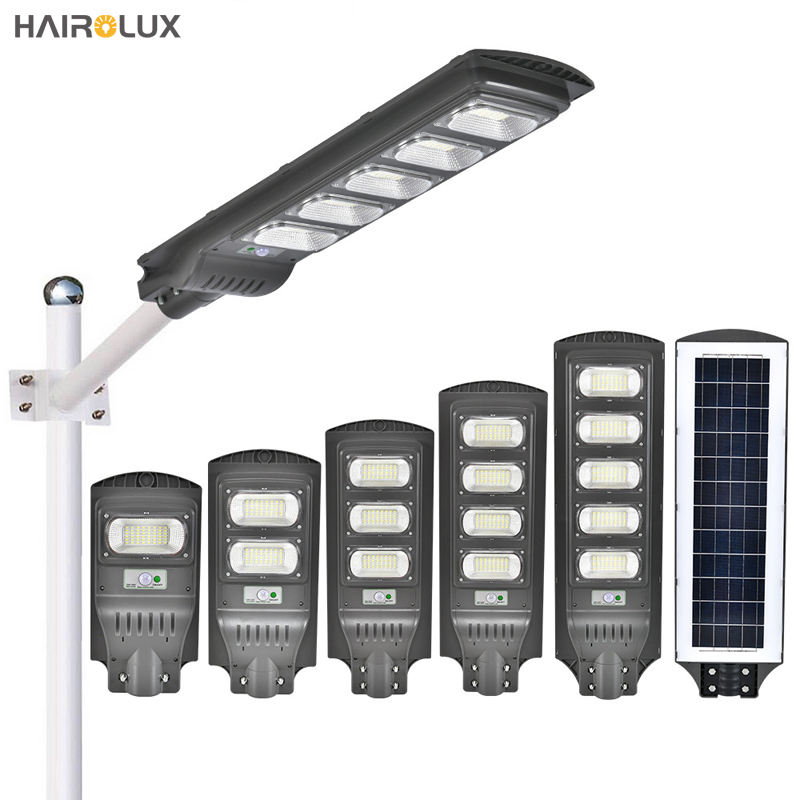
Why Lithium Iron Phosphate (LiFePO₄) Is the Most Reliable Battery for Solar Street Lamps
Thermal Stability and Intrinsic Safety for Unattended Outdoor Operation
Being resistant to thermal runaway is a key advantage of using LiFePO₄ batteries for solar street lamps. Solar street lamps often run unattended in extreme weather. LiFePO₄ batteries have an iron phosphate cathode with excellent chemical stability and a reduced risk of fire, around a 65% reduction in risk when compared to typical lithium-ion batteries (Large Battery 2024). Because of this intrinsic safety, these batteries do not need active ventilation or thermal management. Even in the desert or in environments with high humidity, LiFePO₄ is non-combustible and does not emit toxic gas upon failure. For this reason, it is the only chemistry to receive the IEC 62619 and UL 1973 approval for fully independent outdoor lighting systems.
Real-World Uptime Evidence: 5-Year Field Data from Tropical Urban Installations
LiFePO₄ batteries have shown real world reliability of demanding solar street applications. The installation of 12,000 street lamps in tropical conditions (ambient temperatures 40°C) and with an average humidity of more than 85% showed that LiFePO₄ solar street lamps achieved a 98% uptime after 1,825 charge cycles. The key results of these systems include:
-
5 years of service with no thermal incidents
- 95% capacity retention after 5 years in high-salinity, high-humidity coastal areas
- 3x lower replacement rates when compared to lead-acid batteries (2023 Solar Infrastructure Report)
These results provide a great deal of confidence not only for rated performance in the lab, but also of performance in the field under partial state cycling, variable irradiance, and infrequent maintenance- all of which are typical of municipal solar lighting systems.
Cycle Life and Long-Term Reliability Under Partial-State Cycling Conditions
Solar street lights experience short discharge cycles during daily operation—typically between 60-80% depth of discharge (DoD). Within these partial-state cycles, LiFePO₄ demonstrates superior performance. Repeated shallow discharges result in minimal degradation to LiFePO₄'s olivine crystal structure. Compared to AGM/Gel batteries, which achieve only 300-800 cycles, LiFePO₄ batteries achieve 2,000-5,000 cycles in the application of solar street lights. As demonstrated by municipal data, LiFePO₄ batteries retain ≥80% capacity after 2,000 cycles compared to a 18-24 month operational timeframe for AGM/Gel batteries, which demonstrates rapid capacity fade due to increased sulfation.
Battery Chemistry Typical Cycle Life (Solar Street Lamp Duty) Capacity Retention at EoL
LiFePO₄ 2,000-5,000 cycles ≥80%
AGM/Gel 300-800 cycles ≤60%
Optimizing Depth of Discharge (60-80% DoD) to Extend Effective Life by 40%
LiFePO₄ batteries operate best when the DoD is limited to between 60-80%. This range reduces DoD to better manage lithium inventory, mechanical stress on electrodes, and extend lifespan by as much as 40%. For example, a battery with 100% DoD and 2,500 rated cycles now achieves about 3,500 cycles with an 80% DoD. With this modern battery management system (BMS) in place, street lights achieve optimal nighttime illumination and health preservation. In addition, improved shallow cycle operation of the BMS can achieve an enhanced round-trip efficiency by as much as 12-15% to further compensate for solar insolation.
Temperature Resilience Across Global Deployment Environments
LiFePO₄ provides dependable performance at temperatures ranging from −20°C to 60°C. This range ensures performance in desert areas, alpine areas, and coastal areas. In comparison to lead-acid batteries, which experience a 50% loss in capacity below 0°C and a 40°C performance above 40°C, LiFePO₄ batteries maintain a >90% capacity across this whole range. To test this performance, nodes in edges of the world, like the Arctic and Arabian areas, have been deployed. No cold-start failures were found at −20°C, and no thermal derating was needed at 60°C. Also, the risk of thermal runaway with these batteries is 200× lower than NMC or LCO lithium-ion alternatives (UL Solutions 2023). This risk translates to lower operational risk. Sites with ambient temperature sensitive chemistries experience a 23% higher failure rate with a cost of $740,000 in emergency replacements for every 10,000 units in a 10-year period (Ponemon Institute 2023).
Total Cost of Ownership: Why LiFePO₄ Delivers Superior Reliability and Value
The higher initial costs of LiFePO₄ batteries disappear in the long term. Reliability (as opposed to simply longevity) is the key reason for this. Lithium batteries have 2,000–5,000 cycles, have almost no required maintenance, have a 95% round-trip efficiency. Because of this, they offer a 3.2× lower 10-year total cost of ownership (TCO) when compared to lead-acid batteries. This calculation assumes the cost of the Battery Management System (BMS) and its installation.
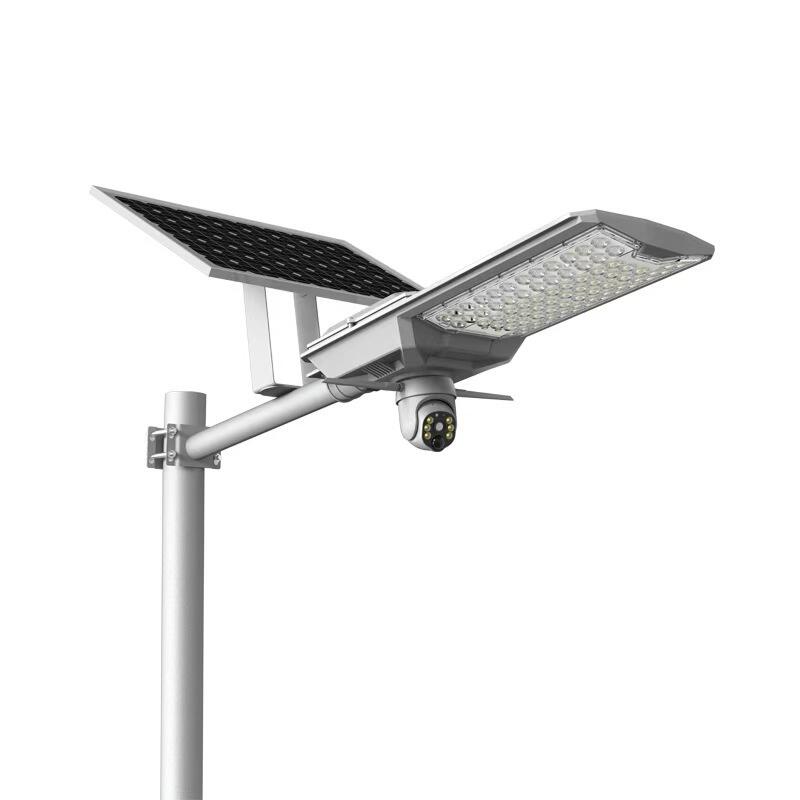
When you factor in all of the above point, combined with the optimized Depth of Discharge (DoD) management and climate resilience, LiFePO₄ batteries provide the best lifetime risk profile for solar street lamps. Because of this, they are the most authoritative
FAQ: Frequently Asked Questions
What aspects of LiFePO₄ give it an advantage in safety than other lithium-ion batteries?
Fires, explosions, and thermal runaway are more frequent and more likely to happen with other lithium-ion batteries than with LiFePO₄ batteries. LiFePO₄ may fail safely without emitting toxic gases, which increases its safety compared to other options for outdoor solar use.
Explain how a limited Depth of Discharge (DoD) on a battery can improve its operational lifespan.
With the DoD capping measure set at 60% to 80%, the battery’s operational lifespan can extend beyond 40%, all without a noticeable performance deterioration.
How do LiFePO₄ perform at high and low temperature extremes?
Compared to typical batteries which tend to freeze and diminish along with the intermittent high and low temperatures in the range of likely temperatures on Earth, between -20°C to 60°C, LiFePO₄ battery performance remains superlative.
Why do LiFePO₄ batteries have a better value in the long run?
Compared to lead-acid batteries, LiFePO₄ have a decreased ownership cost over the course of a decade, thanks to a doubled cycle lifespan (2,000–5,000) and less upkeep.
Do LiFePO₄ batteries outperform AGM/Gel batteries in cycle life?
With the typical conditions used in solar street lamps, AGM/Gel batteries tend to last for the range of 300–800 cycles, while LiFePO₄ batteries last for 2,000–5,000 cycles.