
 EN
EN



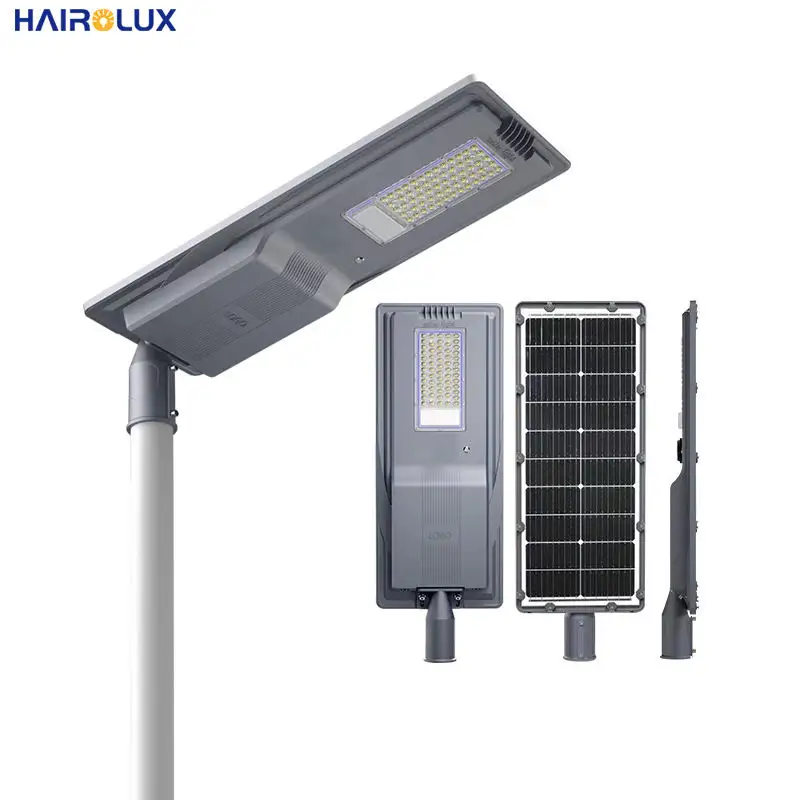
A County Yard That Cut Callouts by Half
The Symptoms Before the Upgrade
A county road crew in the U.S. Midwest ran a mixed fleet of 400 W HPS units and early LED retrofits. Before any maintenance plan, the led street light failures showed up as dark spans reported by residents, and a bucket truck rolled out two or three nights a week. Crews swapped whole fixtures instead of finding the bad part, so good drivers and lenses went to the scrap bin with the dead ones. The yard kept no output log, so a slow dimming unit passed as normal until a whole block went dark.
What Changed After the Swap
The yard moved to a single led street light model with a sealed driver compartment and a labeled driver cover. Within a season, night callouts dropped by roughly half because most faults traced to a connector that a ten-minute bench test caught. The saved hours went into a scheduled spring inspection instead of emergency runs, and the led street light inventory stayed on a shelf rather than in a landfill. A simple spreadsheet of serial, arm and last test date turned guesswork into a plan the crew could trust. Suppliers such as Hairolux ship the led street light with a driver label that matches the spare part number, so the bench never hunts for a compatible unit at midnight. That small bit of documentation is what separates a one-truck town from a yard still buying whole fixtures to fix a ten-dollar connector.
Where LED Street Light Reliability Actually Slips
Driver Failure Outranks the LEDs
The LED chips in a modern led street light rarely burn out within rated life. The driver does. Capacitors age with heat, and a driver running hot in a sealed head fails years before the diodes dim. A maintenance program that treats the led street light as a fixed unit misses the one part that actually wears, which is why spare drivers belong in the truck, not just spare housings. Logging each driver's install date flags the units that reach the risk window first.
Ingress, Condensation and Heat Soak
Water enters through a cracked gasket or a poorly seated conduit, and once inside a led street light fogs from within and shorts the board on a cold dawn. The same head also soaks up sun on a south-facing arm, relaxing the bracket bolts until the unit tilts light into a bedroom instead of the lane. The tilt traps heat against the fin and shortens the driver. A yearly seam check and torque pass catches both the leak and the creep before either becomes a complaint or a roadside failure. The led street light that passes the tilt test also keeps its beam on the pavement, which is the part residents actually notice, so the inspection pays for itself in fewer after-dark phone calls.
What the Driver, Seal and Heat Sink Control
LM-80 and TM-21 Lumen Projection
IES LM-80 reports how a led street light sample holds output at a rated case temperature over thousands of hours, and TM-21 projects that curve outward to a useful life figure. The projection only holds if the real driver keeps the junction cool, so a maintenance log that records operating temperature tells more than the brochure number stamped on the box. A unit that runs hot in summer needs a shorter inspection gap than one on a shaded side street.
IP and IK Ratings in Plain Terms
IEC 60529 defines the IP code, and a led street light rated IP65 resists low-pressure water jets and dust, while IP66 adds stronger jets for carwash-style cleaning. IEC 62262 sets the IK impact code, useful where a ball or a ladder strike is likely. Specifying the right pair at purchase decides how much abuse the seal and lens survive before a service visit, and a mismatched rating is the quiet cause of most early condensation calls.
A Maintenance Routine That Pays Back
Inspection Cadence and Safe Access
A led street light on a collector road earns a visual check twice a year and an electrical check every other year. Access follows OSHA 29 CFR 1910.269 for work near energized lines and 1910.67 for the aerial lift, with NFPA 70E arc-flash controls on the disconnect. The led street light stays dark during the test, and the breaker is locked out before the cover comes off. ANSI C136 keeps replacement heads compatible with the existing arm, so a swap never means a new bracket.
Clean, Torque and Repair or Replace
Dust and road film cut the effective output of a led street light by more than owners expect, so a soft cloth and mild cleaner twice a year restores light without scratching the lens. At the same visit, re-torque the arm bolts and confirm the conduit gland is snug. Swap the driver when the led street light flickers or drops below the logged baseline, and replace the whole head only when the heat sink fins crack or the seal channel fails. Repairing the worn part beats scrapping a housing that still has years of diode life left. A tagged photo of the open compartment each visit builds a record that proves the led street light was serviced on schedule, which matters at budget time when the question is whether the line needs new units or just new drivers.
Frequently Asked Questions
Question: How often should a led street light be cleaned?
Answer: A led street light on a dusty collector road benefits from a lens wipe twice a year, ideally before winter and after pollen season. Road film and salt spray cut useful output more than most owners expect, so a soft cloth with mild cleaner restores light without scratching the polycarbonate. Avoid abrasive pads, which pit the lens and invite condensation later.
Question: What is the typical life of an LED street light driver?
Answer: A quality driver in a well-sealed led street light head commonly runs four to seven years before capacitor wear shows as flicker or dimming. Heat shortens that window, so a shaded, vented compartment outlasts a sealed hot one. Keeping a matched spare driver on the truck turns a roadside failure into a ten-minute bench swap.
Question: Is IP65 enough protection for a street luminaire?
Answer: IP65 resists dust and low-pressure water jets, which suits most residential and collector roads, but a led street light near wash-down bays or coastal spray earns IP66. The rating only holds if the gasket and conduit gland stay seated, so the annual inspection must include the seal, not just the lens and output.
Question: Why does condensation appear inside the lens?
Answer: Condensation in a led street light means the breathable vent failed or the gasket cracked, letting humid air in that condenses on a cold dawn. Left alone, it shorts the board. Dry the cavity, replace the vent, and re-seat the gasket; if the seal channel is damaged, replace the head rather than risk a repeat failure.
Question: How many years before replacing an LED street light?
Answer: A led street light built to LM-80 and TM-21 often holds useful output past ten years, so replacement follows the driver and the seal, not the diodes. Log output at each inspection and replace the unit only when the heat sink fins crack or the lens yellows past recovery. Scrapping a good housing wastes the longest-lived part.
Question: Can a maintenance team service a led street light themselves?
Answer: Yes, with the right training and lockout. A led street light driver swap and lens clean are routine bench or bucket tasks under OSHA 1910.269 and NFPA 70E, but live-board work past the disconnect needs a qualified tech. Keep matched spares, a torque wrench, and the maker's service sheet, and the road stays lit with minimal contractor cost.