
 EN
EN



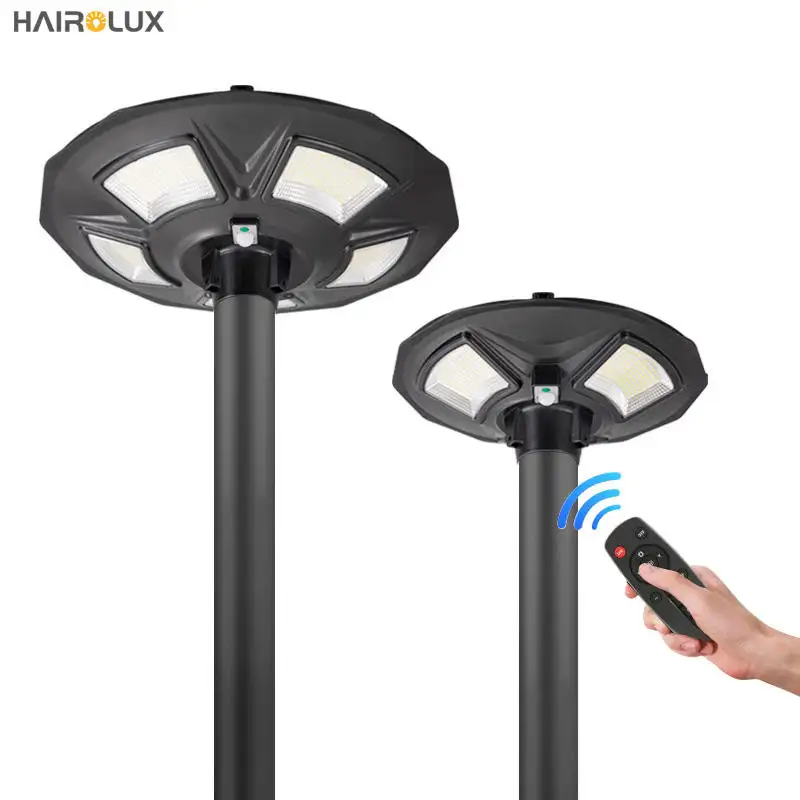
A Gated Community That Lit the Walk Right
The Overlit First Attempt
A gated community fitted its perimeter walk with the brightest solar lamp the catalog offered, chasing a showroom look. The path read like a car park, light spilled into the ground-floor bedrooms, and three residents filed glare complaints within a week. The solar lamp that was meant to welcome visitors instead kept them awake, and the committee weighed dimming the paid install rather than living with the glare.
The Balanced Relight
The crew swapped to a solar lamp tuned to a softer beam and a warmer tone, then spaced the units to the path width instead of the post spacing of the old poles. The walk stayed safe after dark because the low points still cleared the step and the face, while the bedroom glow disappeared. The same solar lamp count covered the route, and the committee closed the complaint file without buying a dimmer or a second shipment of hardware. A resident who had filed the first glare note later praised the walk as "just right," which is the verdict a brightness spec should chase: a path a person trusts after dark, not a showroom a catalog brags about during the day.
Where Solar Lamp Brightness Goes Wrong
Overlight Spills Into Bedrooms
A solar lamp pushed past the path's need throws glare into windows and flattens the night so neighbors lose their curtains' effect. EN 13201 sets the road and path classes by need, not by the brightest diode on the shelf, and a community walk sits low on that scale. The fix is rarely more lumens; it is a beam aimed at the paving and a tone that reads as calm, which a solar lamp with a full-cutoff lens delivers without touching the brightness knob.
Too Dim and the Spacing Trap
A solar lamp set too low leaves a step or a root hidden, and the walk that was meant to prevent trips becomes the hazard. Doubling the brightness does not close the dark band if the units sit too far apart, because the arc still falls off between posts. Tighter spacing with a modest beam overlaps the pools and lifts the low point more than a brighter but lonely lamp, so the dimmest spot, not the center of the pool, is where the layout must meet the plan before a resident trips.
What Sets the Right Solar Lamp Brightness
Lux Targets and the Eye
The eye reads a path by the lowest lit point, so the lux target is a floor, not an average, and EN 13201 expresses it as the uniformity ratio the layout must hold. A solar lamp that meets this floor keeps steps visible without waking the bedrooms above it, which is the balance a community walk is built to find. IES and CIE carry the parallel walkway guidance, and a solar lamp sized to that floor keeps steps and faces visible without flooding the scene. The aim is a readable walk, not a lit one, which is why the spec starts with the dimmest spot a resident actually steps on after dark. A solar lamp that meets the floor at the step and the root keeps the route safe without waking the bedrooms above it, and that balance is the difference between a community path people use and one they avoid because the glare or the gloom feels wrong.
Beam, Panel and Battery Match
A solar lamp that promises brightness but pairs a small panel with a weak bank fades before dawn, so the "right" output only holds if the battery meets the night. A solar lamp sized only by headline lumens hides this mismatch until the first grey week, when the beam that looked bright at noon simply quits before the residents are home. IEC 62619 covers the industrial cell, IEC 60598 the luminaire, and ISO 9001 the plant consistency across the batch. The beam spread must also match the spacing, because a narrow bright solar lamp on a wide path opens the same dark band a dim one would, just at a higher wattage and a higher complaint risk.
Place, Test and Maintain the Solar Lamp
Layout by Path and Use
Draw the solar lamp plan to the path's real use: the right solar lamp for a quiet bend differs from the one a main route earns, because a garden walk wants a softer, warmer beam than a busy stretch where residents carry bags and children ride. Match the spacing to the beam so the pools overlap, and keep the head aimed at the paving, not the hedge or the window. A supplier such as Hairolux lists the beam and the suggested spacing on the solar lamp datasheet, which turns the guess into a layout a committee can read before the posts go in.
Check and Upkeep
At handover, walk the path at night with a light meter and log the low points against the plan, then shift any solar lamp that reads below the floor. Wipe the panel each season so dust does not steal the charge that holds the beam through a grey week, and check the seal for the first haze that signals a failing gasket. A six-month pass keeps the solar lamp even, and the record proves the walk met the brightness the complaint file asked about, not the brightness the catalog bragged. Where the path meets a drive or a play area, lift the solar lamp floor a notch and tighten the spacing, because those spots earn more lux than a quiet garden bend, and a layout that grades by use keeps every stretch safe without overlighting the calm ones the residents actually prize.
Frequently Asked Questions
Question: How bright should a community path solar lamp be?
Answer: A residential path solar lamp needs enough lux to read steps and faces without flooding bedrooms, so the target is a floor at the dimmest spot, not a bright average. EN 13201 sets the path class low on the scale, and IES guides the walkway. Aim the beam at the paving and keep the tone calm; more lumens rarely fix a glare complaint.
Question: What if the solar lamp is too bright?
Answer: A solar lamp that spills into windows needs a full-cutoff lens and a warmer, softer beam aimed at the path, not a dimmer switch. EN 13201 keeps community walks low on the brightness scale, so the fix is aim and tone, not raw output. Move the head off the bedroom line and the complaint usually closes without a hardware swap.
Question: How far apart should solar lamps sit?
Answer: Spacing follows the beam spread, not a fixed post gap, so a solar lamp with a wide lens sits farther apart than a narrow one while still overlapping pools. Tighter spacing lifts the dim band more than a brighter lonely lamp. Draw the plan to the path width and log the low point, because the gap between posts is where trips happen.
Question: Will the solar lamp last through cloudy days?
Answer: A solar lamp sized with a LiFePO4 bank under IEC 62619 commonly covers three to five cloudy days, holding the beam through a grey week. A small panel with a weak cell fades before dawn, so match the bank to the local climate, not the sunny average. Log the on-time each season and the right brightness stays through winter.
Question: Can a solar lamp light a main route?
Answer: Yes, a main community route earns a brighter, tighter-spaced solar lamp than a garden walk, but the same uniformity rule applies: the dimmest step must clear the floor. IES and EN 13201 guide the class, and the beam must match the spacing. Size the bank to the night and the busy path stays safe without flooding the quiet ones beside it.
Question: Can a resident install a solar lamp alone?
Answer: A path solar lamp on a short stake is a simple DIY set with a level base and a clean solar face, but a pole unit on a shared walk needs a safe lift and a locked-out check. Follow the maker's aim and seal the gasket, because a loose head or a pinched lens is what turns even the right brightness into a dark, failing spot.