
 EN
EN



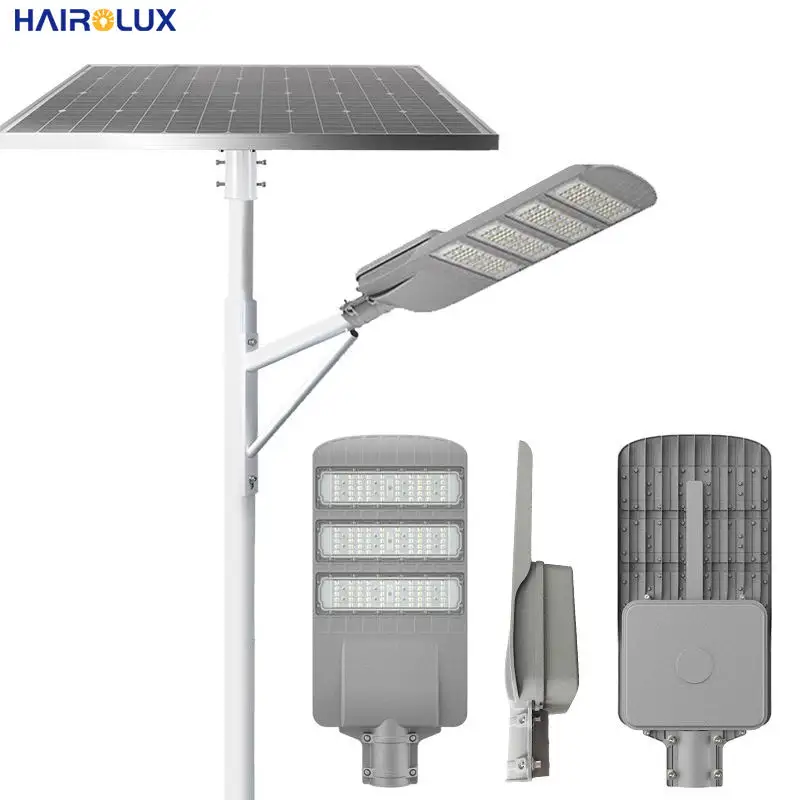
A Suburb That Fixed Its Dark Pockets
The Original Spotty Layout
A new suburban road took a row of led street lamp units at a fixed spacing copied from an older narrow street. The wide collector carried two lanes plus a bike path, and the pools of light landed short of the centerline, leaving a dim band where cars crossed. Drivers slowed at the patches, and a resident filed the dark stretch as a safety note because a cyclist on the path vanished between fixtures after sunset.
What the Relayout Achieved
The installer moved the led street lamp spacing to match the wider carriageway and raised the poles a half meter, then aimed each head down the road instead of at the curb. The dim band closed, and the same wattage now covered the lane evenly because the beams overlapped instead of leaving gaps. The led street lamp count stayed the same, so the fix cost nothing in hardware, only a corrected plan that the first layout had skipped. The council logged the before-and-after with a phone light-meter app, and the dim band that had drawn the safety note simply vanished, which also closed the file without a single new pole or a trench across the bike path the cheap spacing had ignored.
Where LED Street Lamp Light Turns Uneven
Spacing, Height and Aim
Light spreads in an arc, so a led street lamp spaced for a narrow road leaves the middle of a wide one dark. Height sets the arc too: too low and the pool is tight, too high and the edges fall off. EN 13201 guides the spacing-to-height ratio for the road class, and ignoring it is the usual cause of the band a driver notices first. A layout drawn to the actual carriageway width beats a spacing copied from the next street. Aim matters as much as spacing: a led street lamp pointed at the curb throws light into the gutter and leaves the lane dim, while one tilted past its cutoff spills into bedrooms and wastes output upward. The head needs a fixed aim down the road at the maker's angle, locked so a wind bump does not swing it, and a full-cutoff optic keeps the beam on the pavement and out of the sky, which also cuts the glare a neighbor complains about after dark.
Wiring and Driver Balance
Uneven output across a run often traces to a shared circuit that sags at the far end, so the last led street lamp on the line dims against the first. Balanced drivers and a sized feed keep every head at the same output, and a locked-out commissioning check confirms it. A led street lamp that reads bright at the panel but dim at the pole is a wiring job, not a defective unit, which a meter at the base proves before any swap.
What Drives Road Lighting Uniformity
EN 13201 and the Uniformity Ratio
EN 13201 defines the uniformity ratio as the lowest point divided by the average, and a residential collector commonly targets around 0.4 so no spot drops too far below the mean. IES RP-8 carries the parallel roadway guidance, and CIE publishes the photometric method both lean on. A led street lamp layout that hits the ratio keeps the road readable end to end, which is the number a council asks for when the path complaint lands on the desk.
Cutoff Optics and Beam Spread
The lens decides where the light lands, and a led street lamp with a full-cutoff optic puts the beam on the road instead of the haze above it. Beam spread matched to the spacing lets adjacent units overlap so the low points between them stay above the uniformity floor. A wider spread on a tight spacing wastes light in overlap; a narrow spread on a wide spacing opens the dark band the relayout above had to close. CIE photometry gives the method to read the spread from the test file, so a buyer can check the beam on paper before the led street lamp ever reaches the pole, and reject a lens that promises coverage the numbers do not support.
Install, Aim and Verify for Even Light
Spacing and Pole Height Plan
Draw the led street lamp plan to the road class first: a collector with a bike path earns a wider spacing and a taller pole than a quiet cul-de-sac, and the spacing-to-height ratio from EN 13201 keeps the arc covering the carriageway. Map the fixtures to the lane, not the property line, because light belongs on the road where the risk is. A supplier such as Hairolux lists the beam and the recommended spacing on the led street lamp datasheet, which turns the guess into a number.
Commissioning and Upkeep
At handover, walk the road at night with a light meter and log the low points against the plan, then adjust any led street lamp that reads below the uniformity floor. Re-aim after the first storm, since a shifted head reopens the band, and wipe the lens each season so dust does not steal the overlap. A yearly check with the driver balanced on the feed keeps every head even, and the record proves the road met the spec the complaint asked about. ANSI C136 keeps the replacement led street lamp head compatible with the existing arm, so a single failed unit never forces a new bracket, and the uniform road the relayout earned stays uniform through the next storm season without a second truck roll.
Frequently Asked Questions
Question: How far apart should a led street lamp sit?
Answer: Spacing follows the road class and the pole height, with EN 13201 guiding the ratio so the beams overlap instead of leaving a dark band. A wide collector with a bike path needs wider spacing and taller poles than a cul-de-sac. Draw the plan to the carriageway, not the property line, and the low points stay above the uniformity floor.
Question: How tall should the pole be?
Answer: Height sets the light arc, so a led street lamp too low pools light under the fixture and too high drops the edges. Residential collectors commonly use six to eight meters, matched to the spacing ratio in EN 13201. The aim stays fixed down the road, because raising the pole without widening spacing just wastes output into the sky instead of the lane.
Question: What aim angle keeps light off bedrooms?
Answer: A led street lamp aimed down the road at the maker's cutoff angle keeps the beam on the pavement and out of windows. Past the cutoff, light spills upward and draws the neighbor complaint, so lock the head after aim and re-check after the first storm. Full-cutoff optics do most of the work by shaping the beam to the road.
Question: What uniformity does a road need?
Answer: EN 13201 targets a uniformity ratio near 0.4 for a residential collector, meaning the dimmest spot stays about two-fifths of the average. IES RP-8 carries the parallel roadway guide. A led street lamp layout that meets the ratio reads evenly end to end, which is the figure a council checks when a dark-stretch complaint arrives.
Question: Why is the last lamp on the line dim?
Answer: A led street lamp dim at the pole but bright at the panel usually points to a shared circuit that sags at the far end, not a bad unit. Balance the drivers and size the feed so every head hits the same output, then confirm with a meter at the base during commissioning. A locked-out check proves the cause before any swap wastes a truck roll.
Question: Can a crew install a led street lamp alone?
Answer: A pole-mounted led street lamp needs a rated base, a level set, and a safe aerial lift under OSHA 1910.269, with NFPA 70E controls on the disconnect. The aim and the gasket seat decide the result, so follow the maker's sheet and log the night commissioning. A loose head or a pinched seal is what turns an even road back into a dark one.