
 EN
EN



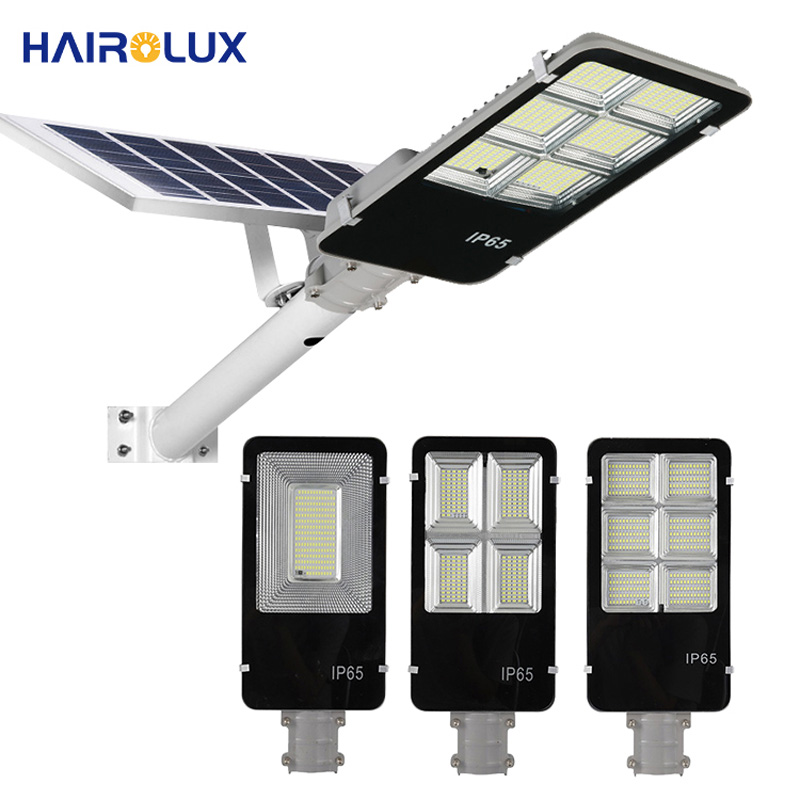
Switch to LED Street Light for Longer Lifespan and Lower Failure Rates
Why LED street light outlasts HPS and metal halide by 2–3x
When compared to traditional high-pressure sodium or metal halide street lights, LED street lights last 2 to 3 times longer. We are talking about lifespans of 50,000 to 100,000 hours, as opposed to 10,000 to 24,000 hours for older systems. The life span is over 5 times longer for LEDs because of the solid-state construction and how they manage heat. The reason why traditional gas discharge lamps fail is because of worn out electrodes, burned filaments, and broken glass envelopes. These issues that plague traditional lamps do not exist because LEDs consist of solid-state construction and do not use glass enclosures. The advanced cooling systems of LEDs and engineered circuit boards protect the light sources. Most quality LEDs fixtures operate above 70% of remain usable after 50,000 hours of operation. Many cities that have implemented LED fixtures report a decrease of 60% on the amount of replacement bulbs as compared to traditional street lights. This is huge for a city's operating and maintenance budgets.
Real-world ROI: How cities have reduced annual street light maintenance costs by 60–70%
Municipalities save maintenance costs when they convert street lights to LED technology. Savings from fewer emergencies, operational smoothness, and longer bulb life all contribute to these totals. Suppose a city changed 10,000 high pressure sodium street light fixtures to LED. Annual maintenance costs would decrease from $200,000 to $60,000. This works out to a 70% + reduction from having to do complete fixture replacements every fifteen years. Cities save in maintenance costs from trips to change burnt out bulbs. Reduced bulb replacement trips decrease the need for overtime and came crew dispatches by 50%. IP66 rated housing is designed to withstand the elements and partnered with smart controls, can reduce the likelihood of premature housing failures. Maintenance costs savings means more money for cities to invest in infrastructure.
After factoring in labor costs, component costs, and savings on your future electricity bills, most LED retrofitting initiatives will break even in three to five years.
Use Smart Controls to Streamline Street Light Functionality and Extend Engineered Component Life
Smart Controls that incorporate Adaptive Dimming and Motion-Based Activation help mitigate thermal stresses on street light drivers and optics.
Smart systems actively mitigate driver and optic failures caused by thermal buildup that usually drive (pun intended) failures to mechanical and electronic street light components. These systems typically reduce street light brightness to 30-50% of nominal during off peak hours and only activate motion sensing lighting by fully illuminating street lights and/or traffic lights. Several studies have demonstrated the effectiveness of Smart Controls in traffic and street and highway lighting with upwards of 15-20°C reductions in operational and thermal stresses of electronic optomechanical street light components and lenses. Smart Controls reduce the rate of aging in capacitors and solder joints and deferring the appearance of the “yellow lens syndrome.” Implementation of Smart Controls have routinely demonstrated a driver service life extension of 2 to 3 times and reduced optic replacements by more than 50% (and in some cases, > 90%).
Case evidence: Smart streetlight systems approximately decrease service frequency by 45%.
Maintenance work can be significantly reduced thanks to smart control systems. For example, a recent study over two years in 12 different cities demonstrated that adaptive systems reduced service calls by 40 to 45 percent. Most improvement was because systems prevented problems by running at less than maximum power, avoiding overheating, and avoiding breakdowns due to overheating. In fact, operators noted a 30% decrease in breakdowns when running equipment at 50% power. And the motion sensors? They do not disappoint, contributing to a 60% reduction in out-of-hours calls. With fewer breakdowns, teams can be proactive and address system upgrades. This approach not only stretches the lifespan of a system but also reduces cost in a number of ways.
Enable Predictive Maintenance for Urban Street Light via IoT Monitoring
The early detection of driver failure, voltage drift, or photocell degradation via IoT sensors
Smart monitoring systems do not wait for something to break or work on a set schedule to perform maintenance on street lights. Instead, smart monitoring systems have a variety of sensors for different performance variables and compare them to expected values for each streetlight. These variables include power consumption, voltage, temperature, and photocell (light) response time. For example, a 15% increase in electrical current driver ms likely to fail within 3 days. Also, if a photocell isn't reacting, or the voltage is outside the set range, the light will need maintenance or may fail completely. Finally, temperature sensors can deconflict false alarms (for example, if the light suddenly became too hot the light may need maintenance rather than the expected aging/decline of light brightness).
This helps technicians address issues at a specific location instead of having to replace entire systems because some components may potentially fail.
Examples of remote street light monitoring blur the line between emergency repairs and routine maintenance. In Helsinki and Barcelona, remote monitoring of street lights predicts decreases in emergency service calls by 30 to 35% in just over one year after installation. Monitoring street light health helps maintenance service stay one step ahead of their equipment to avoid unplanned repairs and emergency service calls. In Helsinki, engineers found monitoring systems improved street light maintenance by as much as 35% because the monitoring systems identified imbalances in the wiring that could go undetected until they fail and cause an emergency service call. Pre-emptive maintenance saves emergency repair service calls because not all wiring system imbalances can be found visually during routine maintenance. Imbalances and the breakdown of wiring systems before the emergency call can be extended by routine maintenance. Routine maintenance around the identified wiring systems allows better route planning for repair crews to minimize their travel. Emergency street light monitoring puts street light maintenance in the black. Routine maintenance based on the street light monitoring is more cost effective because the street lights in the monitored neighborhoods stay lit saving the neighborhoods tens of thousands of dollars.
FAQs
1. Why should cities think about changing to LED street lights?
Compared to traditional street lights which last 10,000 to 24,000 hours, LED street lights have lifespans of 50,000 to 100,000 hours. They also cost less since they require lower maintenance, and they keep at least 70% of their brightness after extended use.
2. What are the benefits of smart control LED street lights?
Smart control systems lower the need of maintenance and prolong the life of the LED street lights by reducing thermal stress through adaptive dimming.
3. What are the benefits of using IoT monitoring systems on street lights?
IoT monitoring systems perform real time tracking to identify malfunctions before they happen, and predict future needs. This type of real time monitoring is less costly, and increases the lifespan of street lights.
4. How practical are smart systems?
Remote monitoring systems have proven to be very practical and useful in cities such as Helsinki and Barcelona, where maintenance of street lights is carried out efficiently. As less emergency repairs are needed, the systems save 30-35% of repair costs.