
 EN
EN



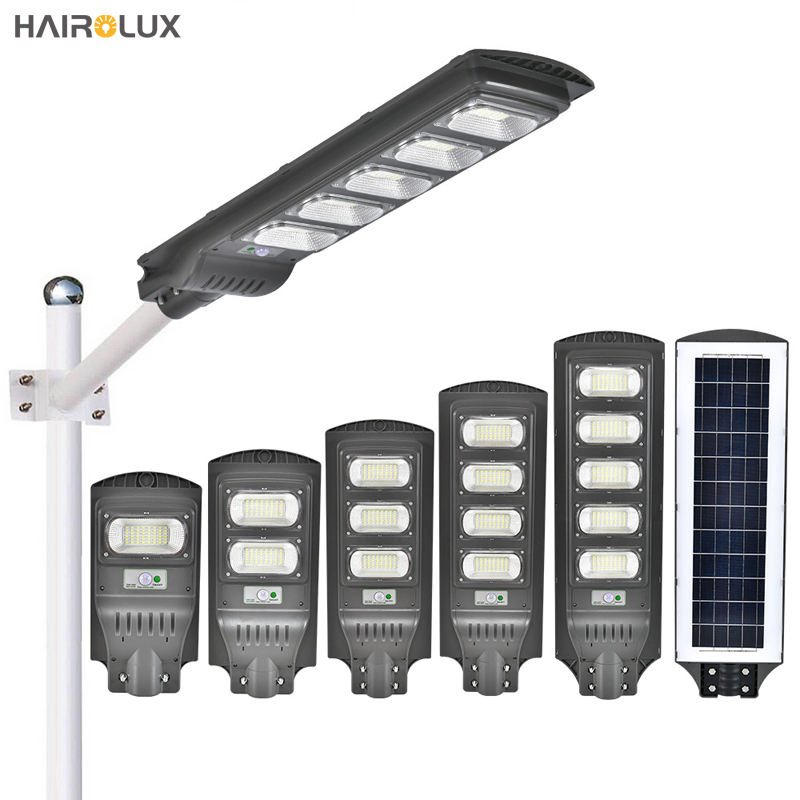
Solar Panel Input: Efficiency, Positioning, and Exposure
Effect of Panel Efficiency, Wattage Rating, Tilt/Azimuth on Daily Energy Capture
While larger wattage panels capture more sunlight, there is a better chance of them reaching their full potential depending on their placement. When it comes to permanent solar panel installations in the majority of North America, their actual south (not to be confused with compass south) direction and a location-based pivoting angle adjustment can dramatically improve annual power capture. Seasonal panel angle adjustments are also justified. During winter months with a lower sun position, more sunlight can be harvested by increasing the angle of the panels. In summer months a lower angle will improve capture. Under these conditions, the best panels are monocrystalline silicon (22-24% efficiency). These panels can power street lights and cause them to stay on shorter times.
The Effect of Soiling, Shading, and Seasonal Sun Path on Reliable Charging
Environmental conditions have measurable adverse effects on the performance of solar panel systems, with the degradation happening in specific patterns and accumulating over time. Even partial shading of solar panels by trees or buildings can result in power losses of greater than 50% due to the interconnection of solar cells within the panels. in addition, solar panels quickly become soiled and as they become soiled, their efficiency is reduced by 15–25% every three months (or quarterly) for the duration of three months. To reduce this problem, specific dirt-repellent coatings can be applied. Consideration for the seasonal path of the sun throughout the year also adds another layer of complexity. Compared to the summer, winter days have less sun, which means there is less solar energy to be harvested during the winter months. In this case, solar panel performance is reduced by 40%, so less solar energy is collected, summer days have greater solar energy and summer days have longer days (the sun is higher in the sky). In addition, to ensure optimum performance of solar panels and to enhance and ensure reliable performance of solar panels down to the minimum level of performance Therefore, it is also necessary to ensure the implementation of effective and reliable performance of solar panels. Solar panel systems ensure that solar-powered lights can be kept on throughout the night.
Battery System: Capacity, Chemistry, and Degradation Over Time
Lithium vs. Lead-Acid Batteries: Usable Capacity, Depth of Discharge, and Nightly Runtime Trade-offs
Lithium batteries can provide usable capacity of up to 80 to 90 percent of their total capacity, and lead acid, however, can only provide usable capacity of 50 percent. This means lead acid batteries can only discharge that far, while lithium batteries can discharge much more. Practically, this means lifetimes of greater run times. For example, consider a 100 Ah lithium battery.
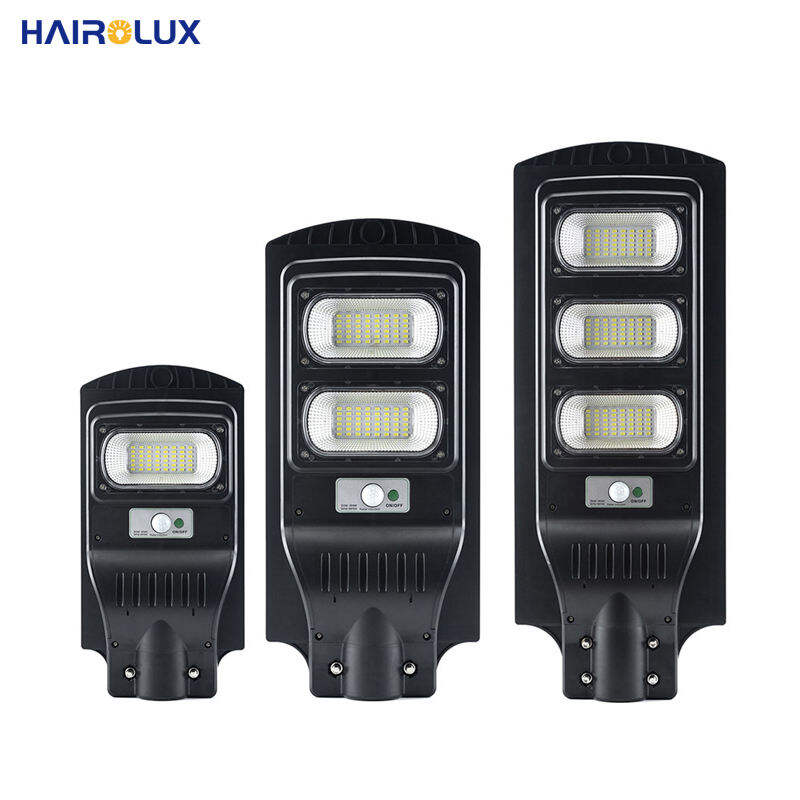
Typically, it can power LED lights for over 10 hours. Same size lead acid battery can only power LED lights for 6 and 7 hours before needing a recharge. Lithium batteries can handle more uses because they can handle being discharged more, while lead acid batteries need to be treated with more caution to prevent faster sulfation. This makes lead acid batteries have a shorter lifespan, and while lithium batteries may cost more initially, they are worth the investment for the energy output and lifespan. This is especially true for solar powered street lights as they need to be operational every night.
The degradation of battery systems in solar streetlights is highly influenced by temperature. In field tests, it has been shown that a battery's capacity can drop as much as 30% due to excessive temperature. In all other aspects being equal, lead acid batteries tend to degrade about twice as fast as lithium batteries. For instance, in about 500 complete charge and discharge cycles, lead acid batteries will, on average, be about 60% of what they were initially, while lithium batteries will be about 80 to 85%. What does this mean? It means that lights will last less time. In the winter, older battery systems are capable of giving 20 to 40% less runtimes, exactly when higher runtimes are needed the most. When operated in sustained temperatures outside of 15 to 35 degrees Celsius, the aging process is accelerated. This is why it is important to select batteries that are designed for the local climate. A few unique lithium batteries are designed to function better in colder climates and are worth the investment in regions that experience severe winter conditions.
Smart controllers also help keep batteries healthy and lights operating for long periods as they utilize embedded algorithms that analyze information on the current charge and estimated available charge over the next few days due to expected weather, temperature, and previous sunlight conditions. The temperature compensation feature prevents over or under battery charging. Adaptive dimming reduces the LED brightness by 50% and provides the needed safety. Controllers prolong the expected lifespan of lithium batteries by 25% by limiting the charge to 80% of capacity at temperatures > 35°C, and prolonging the charge cycle. The combination of motion sensors and dimming provides the targeted 8-12 hrs of light throughout the seasons and reduces the energy consumed by 30 - 50%.
Movement sensors, time-based dimming, and advanced LEDs can reduce the power demand of solar street lights.
In lighting systems, the addition of movement sensors cuts power usage by 40 percent because the system will only active full power and full brightness when someone comes into the range of the movement sensor. Another great power saving feature is time-based dimming, where the system will automatically dim the brightness of the lights at certain times of the day. For example, at 12:00 AM the lights can be dimmed to 30 percent and automatically increase to 70 percent by 6:00 AM to ensure that the lights are bright enough to be seen by morning commuters. In addition, newly manufactured LEDs are capable of producing between 180 and 200 lumens per watt. This means that LEDs have higher energy efficiency and consume roughly 50 percent of the energy used by traditional HID and fluorescent lighting technologies. Excellent efficiency is also maintained by fixtures designed to remove heat when the temperature climbs to 45 °C. Combining everything from the above, smart technologies and the solar-powered street lights demonstrate that they can be used reliably for five successive cloudy days, thus providing the communities with the first time power-free systems.
How geography and climate impact system reliability
The operation of solar streetlights is heavily influenced by geography. For lithium batteries, some of the energy is temporarily lost when the temperature is below freezing. In hotter climates, panel energy loss and degradation happen more quickly. In coastal environments where there is salt air, the salt air can corrode electrical components like junction boxes and controllers. These systems have a reduced lifespan If there is no additional maintenance performed. In the mountains, and the far north, the winter months result in more extended periods of darkness, and greater accumulations of snow, which will block the sunlight, and trap heat to melt and ice. The energy department of the U.S. has done research in which they highlight the need for smart planning in regard to the weather phenomenon which take place in the communities, spanning from tropical storms, to sand storms, and the freeze and thaw cycles of the winter. Smart planning involves several key steps including....
Identifying cold rated lithium batteries (-20°C) for operation in arctic zones.
Identifying marine-grade stainless steel or aluminum alloys with greater corrosion resistance for use in coastal or humid climate.
Identifying where structural wind load ratings can be increased for cyclone or tornado prone areas.
Identifying locations where panel tilt angles of 45 or greater and non-stick smooth surfaces can be used for snow shedding.
Engineering solar street lights for climate regions will mitigate 40% runtime reductions during peak winter and summer seasons based on microgrid performance data from the NREL.
QUESTIONS & ANSWERS
What are the benefits of using monocrystalline silicon panels?
Monocrystalline silicon panels are 22 – 24% efficient, meaning they convert captured sunlight into electricity effectively; thus, benefitting solar-powered streetlights by lasting longer.
How do environmental factors affect the performance of solar panels?
Environmental factors, including soiling and shading, as well as seasonal sun paths, and can significantly reduce the overall efficiency of the panel. Shaded sections of the panel can reduce the output by over 50%, while unclean panels can reduce efficiency by 15 – 25%.
Why are lithium batteries preferred over lead-acid batteries for solar streetlights?
Lead-acid batteries have shorter lifespans and lower discharge capacities. Thus, lithium batteries will provide better run-time at a more consistent voltage, even though they are more expensive.
What is the function of smart controllers in solar streetlights?
Smart controllers extend battery lifespan and conserve energy through monitoring battery health and using adaptive dimming to optimize lighting.
How do climatic conditions affect the reliability of solar streetlights?
Reliability can be affected by the temperature extremes and the challenges posed by the coast and geography. Reliability is affected by the temperature extremes. Reliability is affected by the temperature extremes.