
 EN
EN



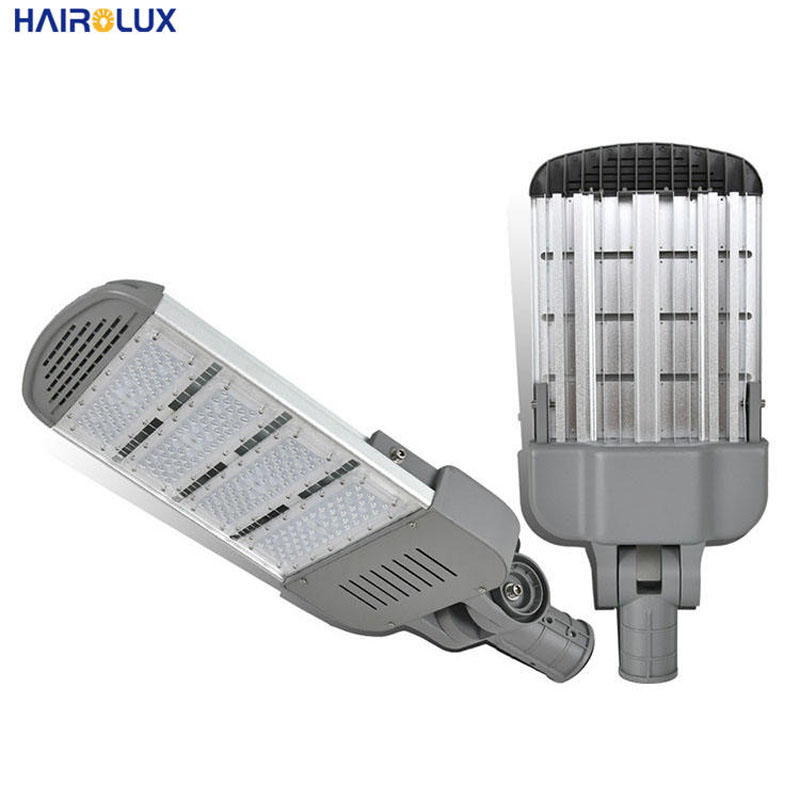
Achieving Municipal Lighting Standards with Elevated-Lumen Solar Street Lamps
Lumen Output and Distribution Compliance with IES RP-8 and EN 13201
For city lighting projects, the fittings and lighting devices should not only meet the basic requirements in relation to the safety of the illuminated spaces where the visual perception of the users is the most important. Guidelines IES RP-8 for Roadway Lighting and EN 13201 applicable in Europe provide for different road types and set different requirements to the lumen output. For instance, in the case of collector roads and primary highways, the requirements are set in the range of 3,000 to 6,000 lumens. With advanced optical technology that focuses light evenly to eliminate dark spots and glare, high-lumen output solar-powered street lights can meet most of these requirements. The most advanced designs in this category launch triple chip LED technology and custom reflectors in order to maintain light levels in the range of 1.0 cd per sq meter on highways even when roads are 6 lanes wide, when the 2015 EN 13201 regulation set the minimum limit at 0.7 cd per sq meter. Practically this ensures that traffic is optimally and uniformly illuminated, while mitigating light pollution in residential areas during the night.
The verification of reliability of performance of the newly installed systems are tested in the most critical zones of the highways, arterials, and urban corridors.
The investment in the solar lighting system is justified and proven to be successfully implemented for the solar lighting system for roadways that would be dangerous and difficult to work on during the day and would have a high jump in traffic (25,000+ vehicles per day). Road solar lighting systems will need to provide the same level of illumination (4500 lumens) even during the shortest days of winter. New solar lighting systems provide the same and in the field tests conducted and the systems have logged 50,000 hours of lighting and the recorded average drop in brightness was 30%. This level of illumination is critical for roadway lighting in areas like highway tunnel entrances and exits, and winding road highway exits where people may get injured in accidents due to the lighting not being present. PHOENIX is a prime example where the solar streetlights have been used to continue to provide a lighting service in the urban environment even if the environment was slightly flooded because the solar streetlight depended heavily on well documented, reliable lithium batteries. As a result, city builders have been changing expectations of street lighting systems installed in areas where the province may remove the systems due to the high levels of flooding.
Enhancing Public Safety and Crime Prevention through High-Lumen Illumination
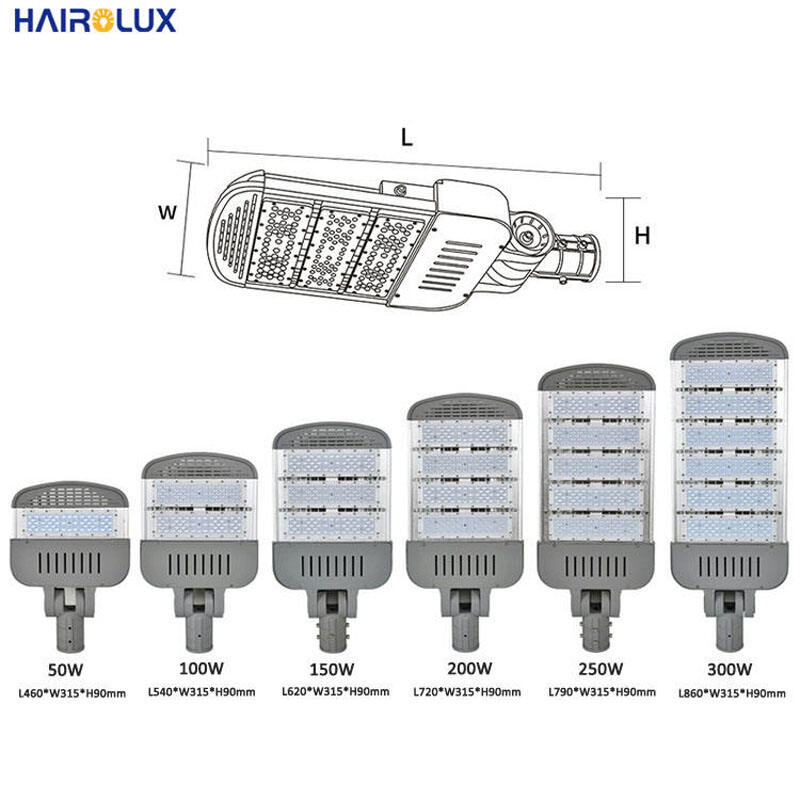
Improved Visibility: Injury Prevention through Data
High lumen output solar street lamps significantly enhance night visibility helping users see them from distances ahead. Motorists driving past these lamps perceive pedestrians approximately 1.5 to 2 seconds earlier than they would with normal street lamps. That time is critical for avoiding and preventing collisions especially during rush hours at critical road intersections. These lamps operate on a white light spectrum between 5000K and 6500K. This gives drivers improved color perception and movement pattern tracking. Traffic engineers have established that when the optimal illumination is distributed evenly, pedestrian night time accidents are reduced by 20 to 30 percent. This is especially true at night at pedestrian crossing and public transport descent areas where seconds count.
The Impact of Consistent Street Lighting in Relation to Crime and the Public Safety Perception
Street lighting of high wattage makes it more difficult for criminals to get away with their activities. People can see what other people are doing around them. A study done in 2014 analyzed the relationship between street lighting and crime in urban environments. Researchers discovered that the risk of crime decreased in well lit environments. Well lit crime locations had around 21% less crime compared to similar environments with less lighting. People are impacted by street lighting. 80% of people surveyed said they feel more comfortable walking in well lit environments. Psychologically people are more confident walking where they can see. The presence of cameras increases the crime deterrence effect of street lighting. The crime deterrence effect also increases the number of people walking in the area. Well lit environments also encourage walking and increase potential crime deterrence because of street lighting. People are less likely to commit crimes in well lit and highly populated environments.
Core Technical Enablers of High-Lumen Performance in Solar Street Lamps
Monocrystalline PV Panels, Lithium-Ion Storage, and High-Efficiency LEDs: Integrated System Design
The street lamp's ability to produce a strong and convincing beam is developed by balancing the three main components: the monocrystalline PV (solar panel) and the LiFePo4 (lithium iron phosphate) battery. Monocrystalline PV (solar panel) has a 22% efficiency rate. This means it will produce, at most, 22% of the available energy from sunlight; thus, it is capable of storing enough energy to power a street lamp in a busy metropolitan area while conserving space. The energy collected by the monocrystalline PV (solar panel) is then stored in the lithium iron phosphate battery, which battery is capable of withstanding 90% depth of discharge (DOD) repeatedly. This type of battery has a very long cycle life and thus will keep the street lamp lit during long spells of bad weather.
High-efficiency LEDs convert energy into directed light where it’s needed most. Modern LED chips yield between 150 to 200 lumens per watt. This efficiency allows critical control over light direction while minimizing wasted light. Each component of this system has smart controllers. For example, they employ MPPT (Maximum Power Point Tracking) algorithms for optimizing energy capture of solar panels to respond to changing weather (e.g. cloud cover, temperature). Also, brightness sensors can lower light levels to avoid energy waste when people aren’t present. This complete system optimizes energy consumption and waste. This leads to providing and exceeding the high illumination (>10,000 lumens) and road lighting specifications of US transportation departments.
System durability is critical for component lifespan. Monocrystalline solar panels last over 25+ years. LiFePO4 batteries are tolerant to extreme temperature conditions. Uninterrupted LED operation for over 50,000 hours is way more than what is needed to reach the LED useful life and has well exceeding the useful life industry standards for lumen depreciation. These components combine to create maintenance-free, resilient (during grid failures), and cost-effective infrastructure for decades.
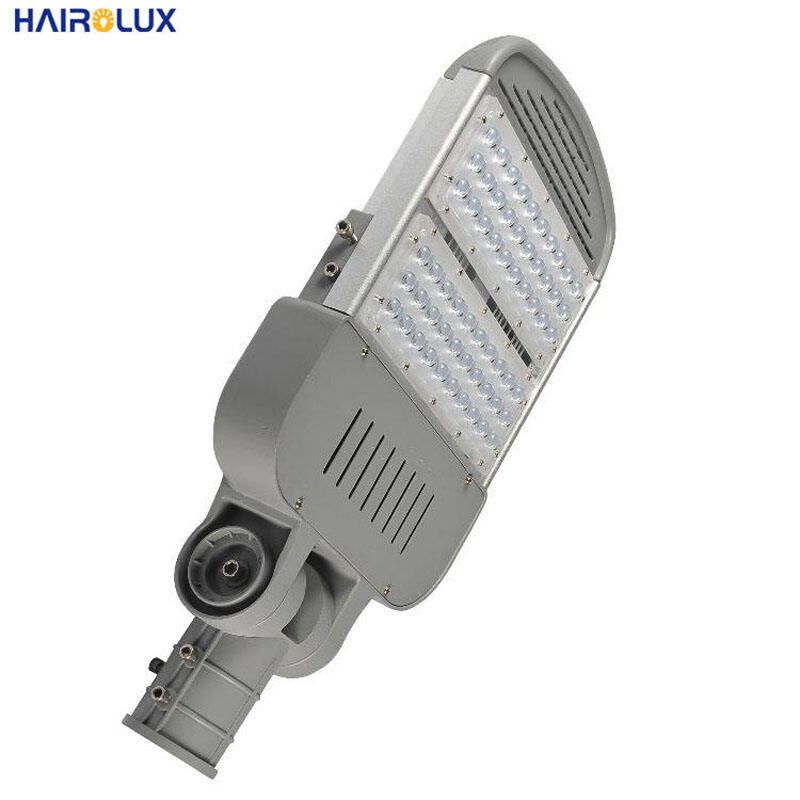
Long-Term Operational Benefits for Municipalities: Efficiency, Resilience, and ROI
High lumen output solar street lamps will benefit the city budget in three main ways. First, significant saving in electricity costs, solar street lamps cost around 50-80% less than conventional, grid-connected street lamps. Billions in avoided costs can be reinvested into community projects like schools or parks. Secondly, street lights are reliable. When the grid goes down the solar lamps will still operate, typically for at least three nights. And on top of all this, operational costs are lowered. There’s no more trenching and wiring maintenance. In fact, . Many municipalities report operational service calls cut in half, compared to older forms of street lights. Most municipalities report operational service calls cut in half, after switching to solar street lights. Industry reports claim that municipalities typically break even on initial installation costs after 3-5 years. On top of this, the average lifespan of a solar street lamp installation is over 25 years. Finally, municipalities can meet their reducing their carbon emissions.
FAQ Section
What are the benefits of using solar street lamps?
The use of solar street lamps is cost saving, low maintenance, and reliable when power outages occur.
How do solar street lamps enhance safety and reduce crime?
Street lamps enhance safety by improving visibility and reducing accidents. Solar street lamps reduce crime by eliminating dark areas that criminals can hide.
What technologies allow solar street lamps to perform at a high level?
The integration of monocrystalline PV panels, lithium iron phosphate batteries, and high-efficiency LEDs provides optimal energy conversion, storage, and light distribution.