
 EN
EN



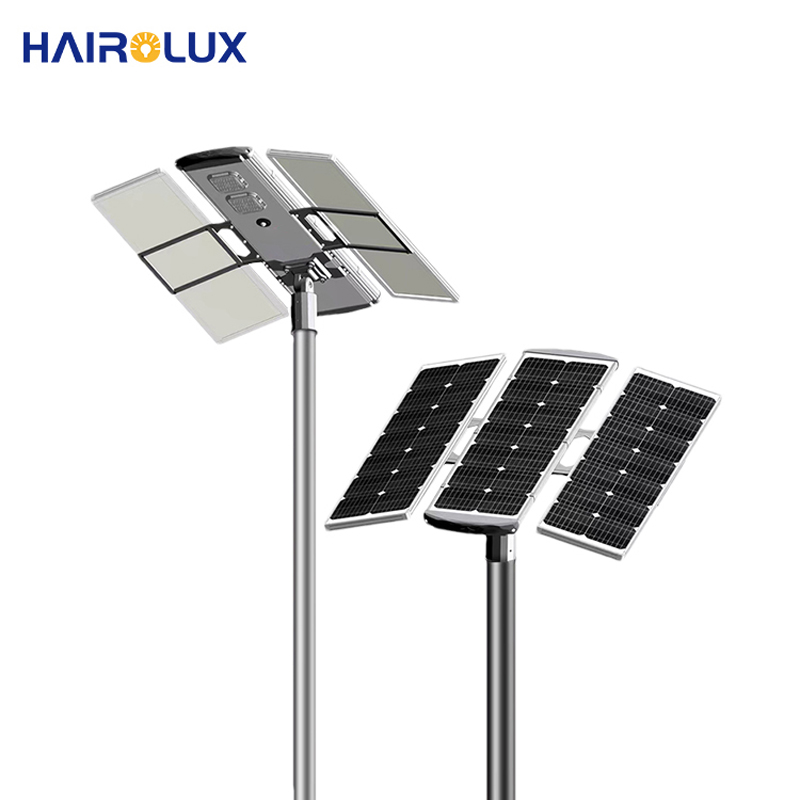
Integrated Solar Street Light Solutions
Upfront vs. lifelong costs against grid alternatives
Integrated solar street lights are installed at a higher price, but they save on other costs associated with civil works, electrical works, and additional utility permits and installations for electrical connections. This costs around 40 to 60% less to install compared to traditional grid-connected systems. Regular street lights operational costs are around 60 to 180 dollars per street light per year, and also require maintenance. In comparison solar street lights only have a once-off cost to install and operational costs are 0 dollars (unless the panels need to be replaced). Therefore the maintenance costs and operational costs are 0 dollars. In a lifespan of 15 years, street solar lights cost approximately 50 to 70% less than traditional street lights.
Utility costs and additional service infrastructure costs
Local governments can avoid paying monthly utility bills and avoid high costs for service infrastructure upgrades (e.g. utility transformers need to be replaced/upgraded and cost between 20,000 and 100,000 dollars per unit). When municipalities are no longer connected to the utility grid, they avoid the unpredictability of utility cost increases and it allows them to have more predictable operational costs. A study published recently showed that most municipalities reallocated around 85% of their budget that used to go to utility companies to other services, such as park maintenance, street maintenance, and storm safety upgrades to buildings.
ROI timeline analysis: Austin, TX case study (3.2-year payback)
After a little more than three years, Austin made its first return on investment in 2023. The municipality, spent approximately $480,000 for the construction of trenchless wiring systems, and also received $27,000 in financial benefits due to energy bill savings. The first retrospective analysis showed that the solar powered lights were projected to save local governments, on average, $1.2 million over the next 15 years due to the no power cost and no labor cost maintenance. It is cost effective for cities to install and use these lights.
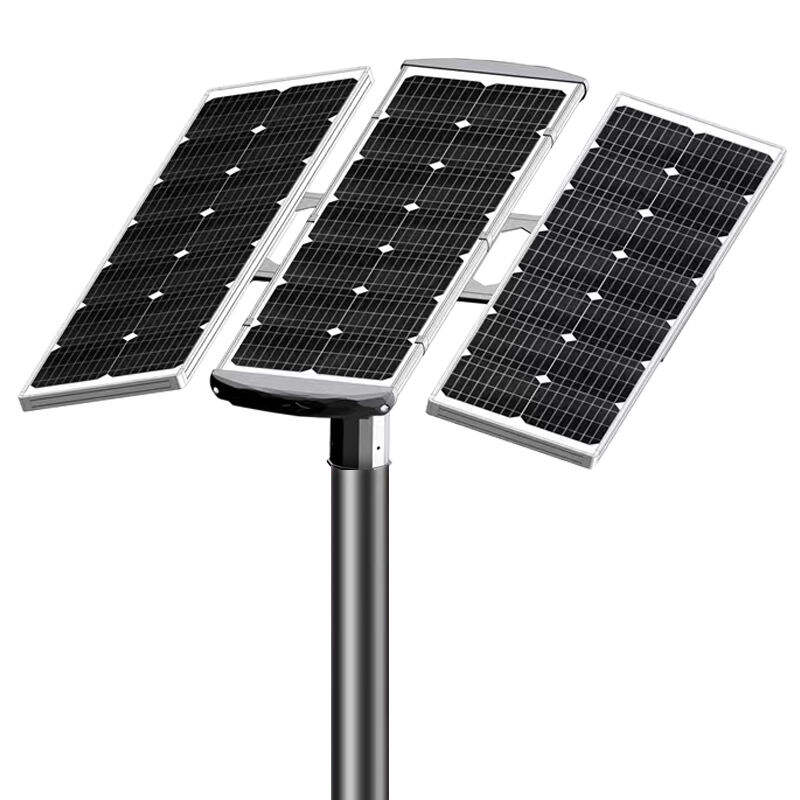
Operational Resilience: Energy Efficiency, Low Maintenance, and Longevity
>90% energy retention over 5 years - lithium iron phosphate batteries and High Efficiency LED optics
Today’s solar powered street lights utilize state-of-the-art lithium iron phosphate (LiFePO4) batteries and LED technology that allows them to retain over 90 percent of their entire charge after five years, even if the batteries are used every single day. LiFePO4 batteries are capable of discharging at over 95% of their full efficiency and, in contrast to lead acid batteries, do not suffer from a drop in capacity and, do not fail as quickly as lead acid batteries (which typically suffer a drop to as low as 70% of their capacity after just 18 months of use). When used in conjunction with the newer, more efficient LEDs, that require far less electricity than their incandescent predecessors, these newer systems are designed to maintain a uniform brightness. As a result, municipalities that implement these systems report to have less maintenance downtime during the winter months.
A lifespan of components exceeding 10 years, resulting in a 70% reduction in O&M labor
IP67 enclosures simply mean they will keep dirt out and can be submerged in water (up to 1 meter). For outdoor gear, this is a remarkable accomplishment. If a manufacturer uses corrosion-resistant materials, their products can last more than a decade before replacement. Due to their tough construction, they can reduce the frequency of technician visits to fix or check something up to 70% compared to classic grid-connected systems. Actual data from the field shows a remarkable reduction in overall device failures. Repairs of junction boxes are performed 15% of the time compared to before. Replacements of photocells are done only 8% of the time compared to before, and people simply forget they get photocells replaced. This means a savings of $18,500 per year for every hundred units installed, largely because they mark down service calls and don't get bogged down in spare parts.
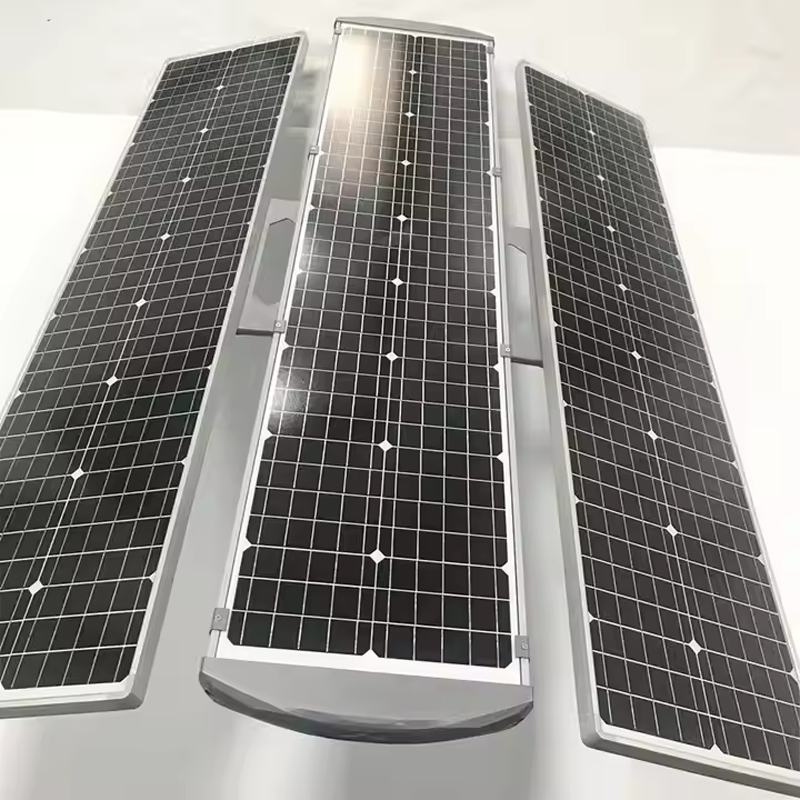
Smart City Enablement Through the Intelligence of Integrated Solar Street Lights
Solar street lights that incorporate smart technology are becoming vital components of new metropolitan areas due to the fact that they combine internet connection and smart capabilities into one package. They possess the ability to adjust their brightness levels based on motion and to change their brightness based on timed intervals. This conserves energy while ensuring that the street remains adequately lit. These street lights are also equipped with sensors that can capture data on the levels of pollution and the presence of background noise and pedestrian activity. All data collection assists city planners in developing and refining their strategies to improve road traffic patterns, the positioning of public amenities, and prioritizing work to maintain municipal services. With the integration of clean energy and smart technology, standard street lights are capable of, and indeed transform into, smart street lights that assist in the development of sustainable and responsive cities that do not rely on outdated methods.
FAQ
Why are Integrated Solar Street Lights considered to be more cost-effective in the long run?
Integrated solar street lights reduce installation cost by 40 to 60% as well as eliminate the need for ongoing power costs which results in a 50% to 70% cost savings in 15 years compared to traditional solar street light systems.
How do Integrated Solar Street Lights improve the financial sustainability of a city?
These street lights help cities avoid costly utility costs and expensive upgrades to the grid, allowing money to be spent on other community projects.
What features are most beneficial in the efficiency and longevity of solar street lights?
Solar street lights incorporate high efficiency LED optics and lithium iron phosphate batteries. These batteries reduce maintenance and retain over 90% of energy for five years.