
 EN
EN



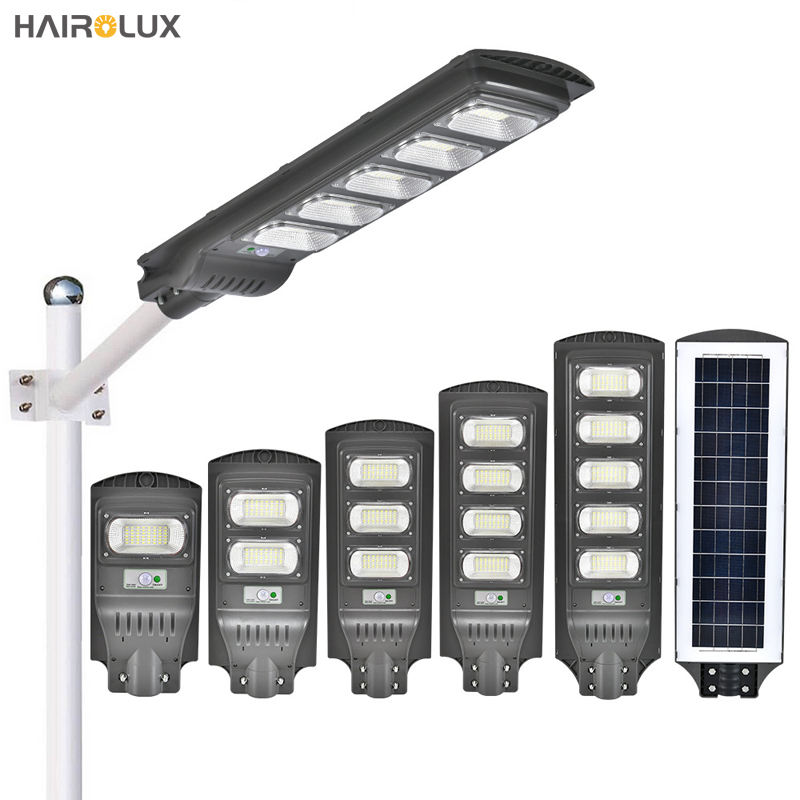
Cut Your LED Street Light Energy Bill by Half Without Turning Off a Single Lamp
A municipality operating 5,000 LED street light fixtures at 100W each, running 12 hours nightly at 0.12/kWh, spends approximately 262,800 per year on street lighting electricity. The energy waste is not in the LED street light technology — LEDs are already 50–60% more efficient than the HPS fixtures they replaced. The waste is in the control strategy: full-brightness lighting for 12 continuous hours when 7 of those hours require only 30–50% of the illumination to maintain safety standards.
Three energy-reduction strategies can cut LED street light consumption by 30–50% from the full-brightness baseline. Time-scheduled dimming programs the LED driver to reduce output to 40–50% during low-traffic periods (typically 11 p.m. to 5 a.m.), using the LED street light's built-in dimming capability — most LED drivers support 0–10V or DALI dimming protocols natively, requiring no additional hardware. Motion-sensor activation — using microwave radar sensors integrated into the LED street light housing — detects approaching vehicles and ramps brightness from a 20% standby level to 100% for the duration of passage, then returns to standby, delivering energy savings of 60–70% on low-traffic roads. A solar-grid hybrid system — combining photovoltaic panels and battery storage with grid connection — prioritizes solar energy and draws from the grid only when battery reserves are depleted, reducing grid consumption by 40–80%. HAIROLUX, with 13+ years of LED outdoor lighting expertise and a product portfolio spanning smart LED street lights with IoT remote management, integrated solar LED street lights with LiFePO₄ battery storage, and solar-grid hybrid systems, offers all three strategies.
The Dimming Safety Question
Roadway lighting standards — IES RP-8 in North America, EN 13201 in Europe — specify minimum maintained illuminance levels based on road classification and traffic volume, not a single fixed brightness. A collector road requiring 12 lux average during peak hours may require only 4–6 lux during low-traffic overnight periods, because the standard's recommended levels scale with traffic volume. A dimmed LED street light at 40% output producing 6 lux on a low-traffic road at 3 a.m. is fully compliant — and in many cases, the dimmed LED street light produces better uniformity ratios than the HPS fixtures it replaced, because LED optics provide superior light distribution control.
Real-World Application: A Southeast Asian City's Smart Dimming Deployment
A mid-sized city in the Philippines with 3,200 LED street light fixtures deployed HAIROLUX smart LED street lights with integrated IoT controllers and programmed a three-step dimming schedule: 100% output from 6 p.m. to 10 p.m. (peak traffic), 60% from 10 p.m. to 12 a.m., and 40% from 12 a.m. to 5 a.m. The scheduling reduced the city's LED street light electricity consumption by 38% — from approximately 1,400 MWh per year to 868 MWh — saving roughly $67,000 annually. The city received zero complaints about insufficient lighting during the dimmed periods; the LED street light fixtures with HAIROLUX's optical lens design maintained uniform light distribution at reduced output, so the illumination decrease was proportional and visually unobtrusive.
The Three Technology Paths in Detail
Time-scheduled dimming is the most widely deployed LED street light energy-reduction strategy because it requires the least additional hardware. A programmable LED driver with a built-in real-time clock switches between pre-set brightness levels at scheduled times, operating autonomously without a network connection. HAIROLUX's standard LED street light drivers include this dimming capability, configurable during installation to match local sunrise/sunset times and traffic patterns. Motion-sensor activation adds a per-luminaire radar sensor that detects approaching movement, useful on low-traffic roads where vehicles pass infrequently — the LED street light spends most of the night at 20% standby and ramps to 100% only when needed, achieving the highest percentage savings of any single strategy. Solar-grid hybrid systems represent the most capital-intensive but lowest-operating-cost option: a solar panel and LiFePO₄ battery integrated with a grid connection, managed by a smart controller that prioritizes stored solar energy and switches to grid draw only when battery reserves fall below 20%. HAIROLUX's smart LED street light portfolio includes all three options, enabling project-specific energy optimization rather than a one-size-fits-all approach.
Frequently Asked Questions
How much can smart dimming reduce LED street light energy costs?
Time-scheduled dimming typically reduces energy consumption by 30–40%. Motion-sensor activation on low-traffic roads achieves 50–70% savings. Solar-grid hybrid systems reduce grid electricity by 40–80% depending on solar irradiation. HAIROLUX's smart LED street light systems support all three strategies through IoT-enabled controllers.
What is a solar-grid hybrid LED street light?
A solar-grid hybrid LED street light combines a solar panel and battery with a grid connection. During sunny periods, the LED street light runs entirely on stored solar energy. During extended cloudy periods, the system automatically switches to grid power. HAIROLUX offers split-type solar LED street lights with LiFePO₄ batteries and smart hybrid controllers.
Do dimmed LED street lights still meet roadway safety standards?
Yes — when dimming is calibrated to the road classification's minimum illuminance requirements during off-peak hours. IES RP-8 and EN 13201 standards specify illuminance values that scale with traffic volume. HAIROLUX's Dialux lighting simulations verify standard compliance at each dimming level.
What is the payback period for smart LED street light controls?
Smart controls typically add 40–80 per luminaire to the project cost and pay back in 1.5–3 years through energy savings alone, faster when maintenance savings from remote fault detection are included. HAIROLUX's Lora/NEMA-based smart city system supports remote dimming and fault alerts.
Can existing LED street lights be retrofitted with dimming controls?
Yes — if the existing LED street light uses a dimmable driver with 0–10V or DALI interface. Retrofitting involves installing a controller module that connects to the driver's dimming input. HAIROLUX provides retrofit controller solutions for compatible luminaires.
How do motion sensors work on LED street lights?
Microwave radar sensors detect moving objects within a 6–15 meter range and signal the LED driver to increase output from standby (10–20%) to full brightness. The LED street light returns to standby 30–60 seconds after the object leaves the sensor range. PIR sensors detect heat signatures rather than motion.