
 EN
EN



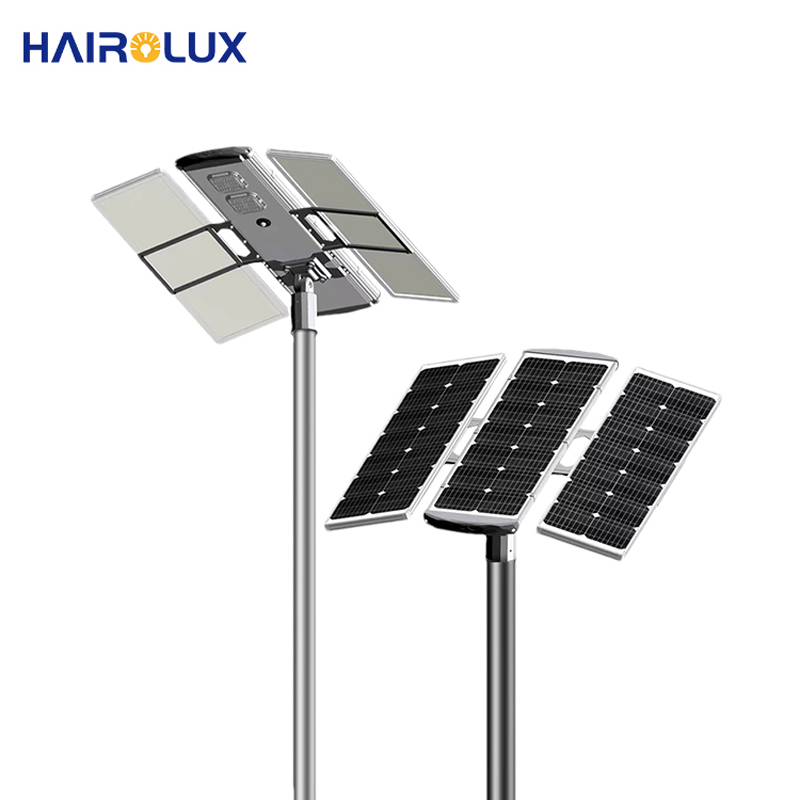
Weather and Environmental Durability for Long-Term Reliability
Unceasing abuse from the environment demands the best designs from engineers to keep solar street lights shining on the road. Important design factors include:
IP65+ Ingress Protection and Salt-Spray Resistance for Coastal, Humid, or Industrial Zones
Products deployed in ecosystems that are corrosive to metallic components need to provide IP65+ dust and moisture protection, verified in accordance with the ASTM B117 salt spray test. The organisms help from salt aerosols or humidity high enough to condense: It extends the salt life's 5-year horizon beyond coastal installations, while standard coastal installations last 24 months.
IK08/IK09 Impact Rating and Wind-Load Certification for High-Traffic or Exposed Roadways
Vandal-resistant IK08/IK09 polycarbonate lenses withstand impacts of 5–10 joules, comparable to a baseball thrown at 60 mph. accomplished by the Wind-load certification to provide structural integrity against 50 mph gusts
6063-T Aluminum Housing: Corrosion Resistance and Thermal Management Across Climates
Extruded 6063-T provides superior corrosion resistance, outperforming steel by 3x in salt corrosion tests, and 20% better thermal resistance than other materials
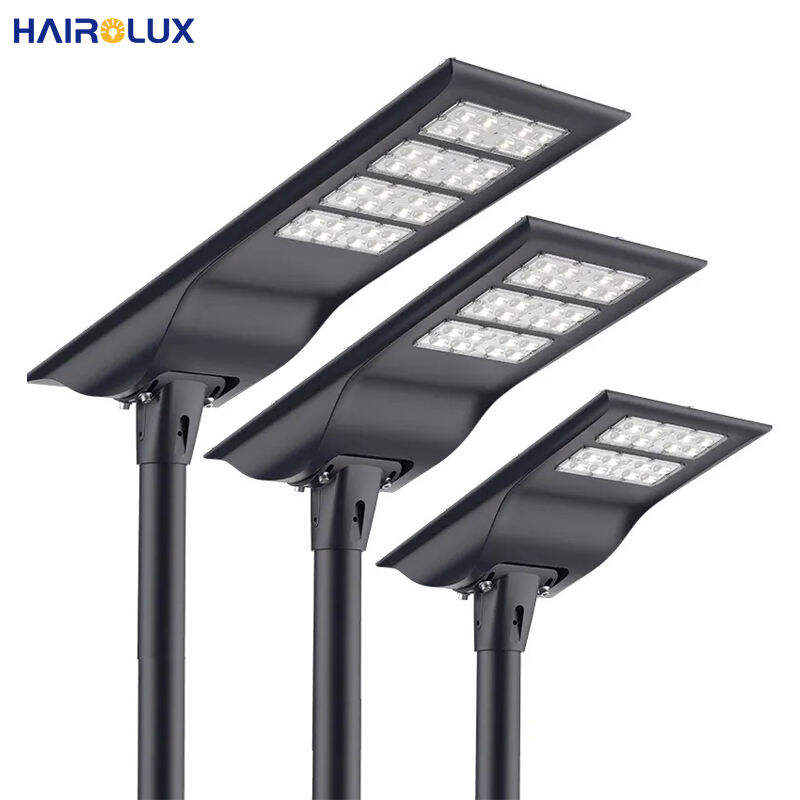
Climate-Adapted Solar Street Light Design
Battery Chemistry Selection (LiFePO4 vs. NMC) Based on Temperature Extremes and Cycle Life Needs
Presently, LiFePO4 cells work best for extreme cold (−20° C) applications, as they lose only 5% of their capacity over 3,000 cycles. Conversely, NMC has a 15% higher energy density; therefore, it is better suited to extreme hot (45° C+) climates. However, it requires 20% oversizing to cull 20% of LiFePO4’s thermal stress. For highway solar light projects in thermally variable climates, LiFePO4’s design operating range of –30° C to 60° C minimizes winter phenomenon blackouts and fulfills the 8-year lifespan without battery replacements.
Solar Panel Sizing Buffering and Autonomy Relating to Latitude, Insolation, and Seasonality
Reliability requires latitude-specific calibration. For 55° N latitude and higher, panels need a 30% size increase and a 7-day capacity increase to accommodate for the 40% reduction in winter insolation. For regions that experience a monsoon, controllers must use 25% more capacity, as opposed to a typical use for a 72-hour low-light period. Smart controllers can use a combination of historical weather to dynamically adjust to charging and have a 60% reduction in grid fallback in variable climates, such as coastal (or near mountain) highways.
Road Specific Photometric Performance and Lighting Engineering
Lumen Output and Beam Pattern and Uniformity Compliance for Service, Collector, and Principal Roads
The design of photometric systems and lighting must take road type into account. Residential road lighting for homes should have between 5,000 and 7,000 lumens and Type III asymmetric beams. Collector roads should have more than 10,000 lumens and Type V beams to evenly light intersections. Highways shall have 15,000 lumens or more with Type III beams that are narrow and provide beam spacing to meet or exceed a uniformity ratio of 0.4 (Lmin/Lavg) per IES guidelines. Outputs that are not sized properly may lead to areas not illuminated, and excessively positioned lighting and beam spacing are dangerous and a waste of resources.
Light Pole Spacing and IES File Assessment of a Real-World Light Solar Street System
Light poles spacing should be calculated based on a light beam’s mounting height and the level of light beam that is required. It is usually 1.5 to 2.5 times the height of the light pole for spacing. So, for poles that have a mounting height of 8 meters, the spacing distance should be from 12 to 20 meters. Photometric IES performance files should always be validated and be used to evaluate the tilt and shed angle of the equipment and obstructions to assess the photometric performance. Field measurements must be done to evaluate the placement of the poles and it should yield positive results with a 15% or less deviation to lighting from the designed placement, as not providing a design with proper validated pole placements may create dangerous uneven lighting. To meet the IES Roadway Standards, the minimum lighting level is met by adaptive dimming during the times of minimum traffic, and light spacing is maintained with pole height.
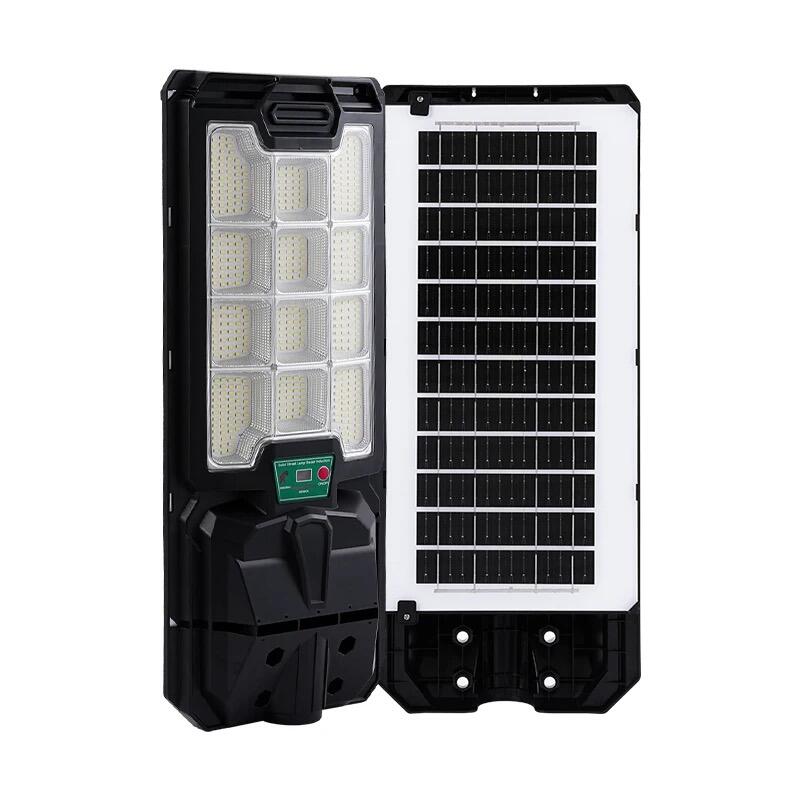
Key Core Elements
Battery, controller, and solar panel integration
For optimal long-term performance, three key components, the battery, controller, and solar panel, must work together. Lithium iron phosphate (LiFePO4) batteries, for example, provide over 5,000 charge cycles, have up to 300% more lifespan than lead-acid batteries, and can work from temperatures ranging from -20 °C to 60 °C. Better MPPT controllers also provide up to a 30% improvement in energy collection and offer protection against overcharging, overly deep discharging, and temperature extremes. Additionally, anti-reflective. monoperc panels and PID protection can help maintain >92% power production over a period of 10 years as long as they are paired with batteries of the proper size. Also, for integration of components there are some requirements. First, panel and controller thresholds for panel and controller voltages must be met within the range of 5% and they also must provide the ability to communicate and monitor real-time to ensure system losses from integration are no more than 15%.
What are the benefits of IP65+ rating for solar lights?
An IP65+ rating indicates that the solar lights are sealed from dust and moisture, which is become essential over environments that are coastal, industrial, or highly humid, as components may fail from the salinity in the air.
What protection does a solar street light have with rating IK08/IK09?
These ratings show strength against solar street lights of polycarbonate. This means that the lights will be protected in a vandalism and environmental impact situation, which will be the result of hitting a baseball against a wall.
What are the benefits of using LiFePO4 batteries for solar street lights in extreme weather conditions?
Due to their extreme weather performance and seamless integration with solar street lights, LiFePO4 batteries are becoming the industry standard. They exhibit 95% capacity retention after 3,000 cycles and offer reliability with 8 year winter blackouts. They are a great choice for battery performance under extreme conditions.
How does the size of a solar panel impact the street light's reliability?
Solar panel sizing relies on the latitude and environmental conditions to size accordingly. When designed appropriately, body size ensures lights have the requisite power autonomy and prevents performance disruption during seasonal changes.