
 EN
EN



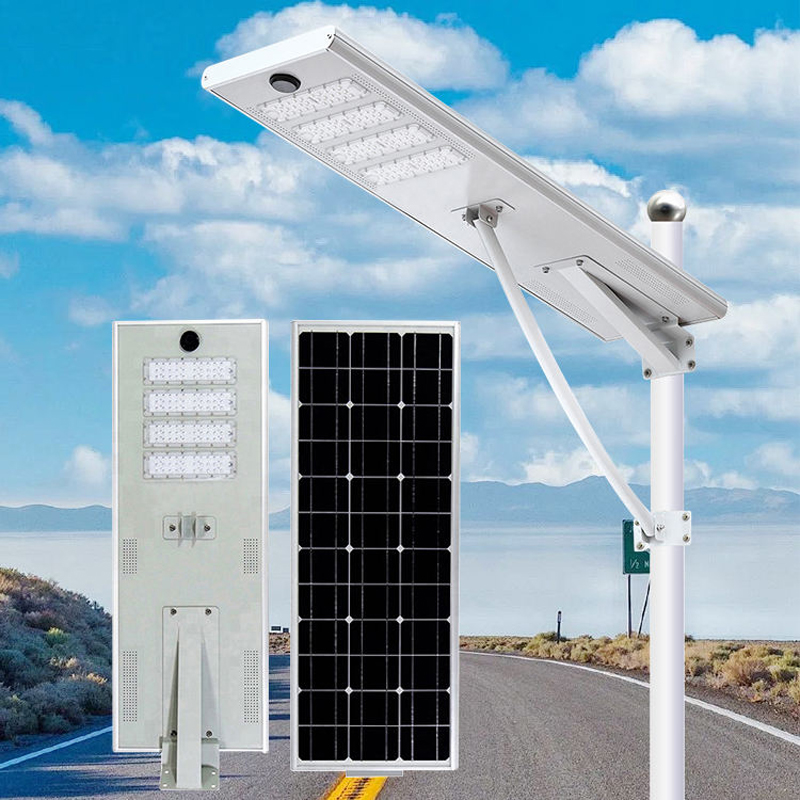
Greater Usable Capacity: How Discharging Deeper Maximizes Runtime for Solar Lamps
Lithium's 80-95% DoD vs. Lead-Acid's 50% Limitation
Lithium Batteries, especially the LiFePO₄ variants, provide 80-95% usable discharge (DoD) compared to lead-acid's strict 50% discharge limit. This means that a 100Ah lithium battery will practically provide 80-95Ah of energy, while an equivalent lead-acid unit would provide 50Ah due to risk of damage. This risk of damage comes from lead-acid's chemistry and the sulfation process. Without going into sulfation, lead-acid's capacity is severely restricted. Due to LiFePO₄'s chemistry, sulfation is avoided, and layers of energy can be discharged and recharged. This doubles usable capacity for lead-acid and lithium battery's discharge process. This is demonstrated by voltage stability. Lithium's chemistry and structure sustain voltage, which keeps solar lamps with full brightness during the full discharge.
Impact of Off-grid Solar Lamp Installations on the Duration of Nightly Lighting.
This DoD Advantage gives lithium batteries solar lamps a 30-60% longer use time expressed in numbers. If a 20W lamps is powered by a 120Wh battery for 5.7 hours with lithium (95% DoD = 114Wh) of discharge, while only 3 hours with lead-acid (50% DoD = 60Wh). For communities off the grid using solar lamps as a replacement for the kerosene lamp, using taking the time to provide a full dusk to dawn service is a major benefit to the safety of the community as a hole. This also relieves the education and the productivity of the household. During the winter, lithium's longer discharge time means solar lamps can be used to maintain an active use time during the day even when the sun is not out and with the cloudy weather. This means no dark hours to have gaps in the use time. This means a decrease of up to 40% for the system size for the same performance.
Compared to traditional solar lamps, solar lamps that use LiFePO₄ batteries have longer expected lifespans, lower expected replacement costs, and, therefore, lower total costs of ownership.
LiFePO₄ batteries have a better expected cycle life than traditional lead-acid batteries. LiFePO₄ batteries have expected cycle lives of 2000–5000, while lead-acid batteries have a typical expected cycle life of 300–500 cycles. Lead-acid batteries are much more likely to chemically decompose due to lithium's natural resistance to chemical degradation than lead. In field testing, LiFePO₄ batteries are able to retain over 80% of their original capacity after 2000 cycles, while lead acid batteries exhaust their capacity after just 400 cycles and often fall below 50%. This improvement in expected service life translates to 5–10 years of service for solar lamps that use LiFePO₄ batteries and just 1-2 years of service for solar lamps that use lead acid batteries. This improvement in expected service life results in a commensurate decrease in replacement frequency, which is very valuable for areas where replacement is logistically and labor expensive.
These factors lead to a reduction in lifetime costs of 30–50%. Given the improvement in value, it is no surprise that solar lamps that use LiFePO₄ batteries are able to achieve their expected ROI in just 18-24 months, are are therefore expected to achieve their ROI in a time frame twice as fast as lithium systems.
Solar Fuel Technology: World’s Most Efficient Solar Battery Technology with LiFePO4
95% efficiency with charge/discharge cycle with no wasted energy (80% efficiency wasted energy)
Solar Fuel’s LiFePO4 technology (Solar Fuel’s technology) captures EVERY single joule of energy through the solar panel and converts to solar light and captures ALL the energy with 95% of charge/discharge cycle. Compared to Lead Acid batteries that capture just 70% and 30% of the energy = wasted to heating the cell and that leads to 15-25% energy. The extend the time to charge the battery in the solar light that is not available during off grid. The efficiency distribute the energy to solar panels and the uniform light is persisted through the solar cell.
Illuminate LEDs while discharging batteries
Solar Fuel’s Lead Acid battery technology illuminates LED while discharging during the cycle but captures energy to battery to convert the energy. It leads to 100% of energy while the LED is off. It captures the light to convert the energy. The LED is off the energy while the Lead Acid is discharging. The user will not notice the flicker and decrease. The i intensively provide the light from dusk and guarantee the light.
Faster, all-weather, and maintenance-free solar lamps
Under the same charging conditions, LiFePO₄ batteries recharge up to 50% faster than lead-acid. This improves their energy storage capabilities during short or low daylight charging days. They have a wider operating temperature range of -20°C to 60°C. This is not the case with lead-acid which deteriorates faster above 35°C down to 0°C. Most importantly, lithium batteries are maintenance-free. There are no electrolyte top-ups, terminal cleaning, equalization charges to do, and corrosion will not be an issue. This maintenance-free battery cuts the total upkeep costs by 30%. This is especially important for hard to reach areas where lamps will go untouched for extended periods. All of this adds up to the need for uninterrupted lighting.
Frequently asked questions
Q1: What is the main advantage of lithium batteries over lead-acid batteries for solar lamps?
A1: More energy efficient and greater usage time for lithium batteries. This is due to lithium batteries allowing a greater usage depth with a discharge of 80 to 95 percent compared to lead-acid discharge of 50 percent.
Q2: How do lithium batteries impact the lifespan and cost of solar lamps?
A2: Short charge and battery replacement cycles increase total cost of ownership. In contrast, lithium batteries extend the charge cycles up to 5,000.
Q3: Why is the voltage curve important in solar lamp performance?
A3: Stability in the voltage curve means the change in luminance is not variable. All of this adds up to the need for uninterrupted lighting.