
 EN
EN



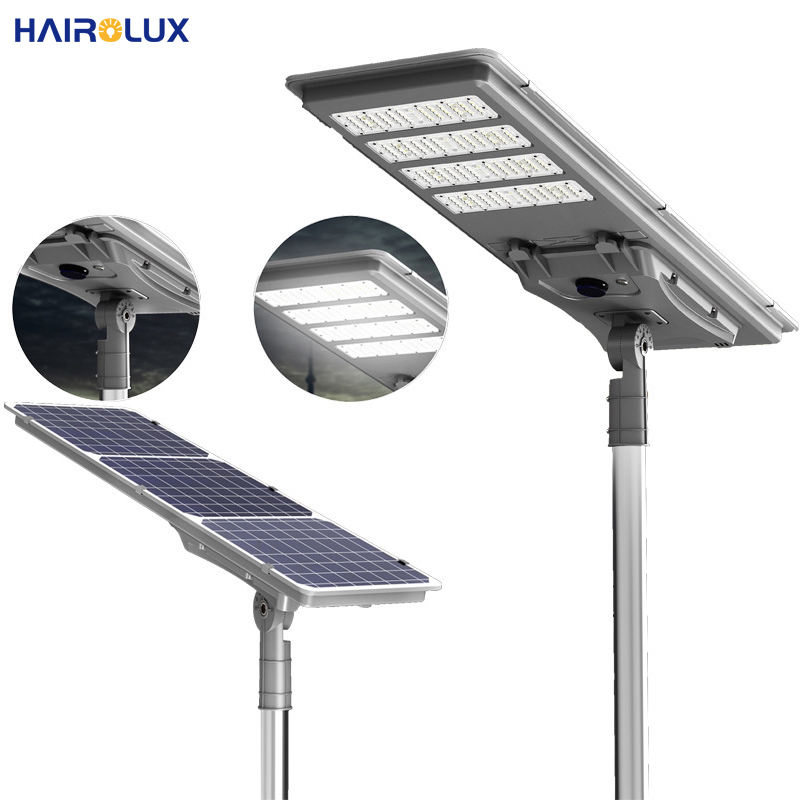
Unmatched Energy Efficiency and Zero Grid Dependency
LED luminous efficacy vs. HPS/MH: Higher lumens per watt means lower wattage
LEDs have a clear advantage over traditional lighting options in terms of efficiency. They can achieve around 130 to 150 lumens per watt, while the older high-pressure sodium lights and metal halide bulbs only achieve a measly 50 to 100 lumens and 60-80 lumens, respectively according to the US Department of Energy's report last year. To showcase this in practice, a 60-watt LED light can shine as bright or brighter than a 150-watt HPS lamp, using roughly 50% the electricity. LEDs are also designed to emit light in certain directions, eliminating much of the wasted light caused by traditional bulbs shining into the night sky. When combined with solar panels and intelligent battery management systems, efficient LED systems provide lighting solutions that are completely independent of the grid. You will have all the light needed for most applications and no more monthly electric bills.
Solar independence: savings from the LED solar street light
LED Solar street lights remove the utility bills and the transmission losses, and makes energy more accessible. i. e. Solar street lights will deliver energy in a meaningful way in areas where it is expensive or impossible to construct a utility grid, as it is the case in many rural areas in the world.
More Reliability Thanks to Off-Grid Operation
LED solar street lights also provide more certainty and reliability where conventional street lights do not. Because they are not connected to the grid, they will still provide light in the case of a utility blackout. This is a very significant benefit in the case, for example of rural health care clinics, emergency evacuation roads, and rural areas where the utility supply is unreliable.
Blackout Resilience: Keeping Operations Ongoing during Blackouts - Vital for Remote and Rural Areas
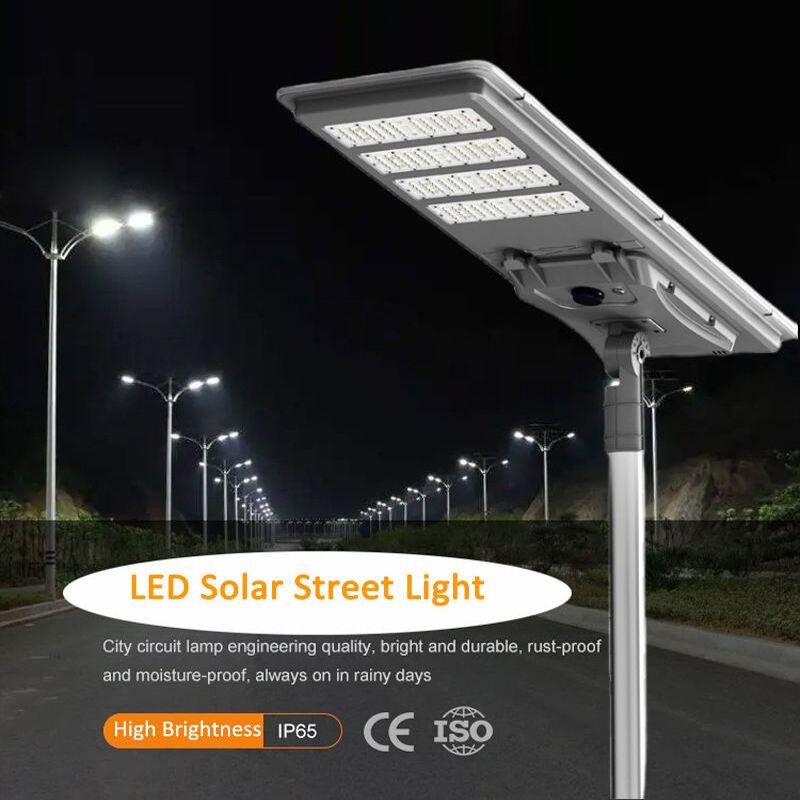
Solar-powered street lights can operate without relying on the power grid and can continue to operate in situations where there are power outages. They are equipped with batteries that allow the embedded LEDs to light up for the entire night. Owing to this capability, the lights can post adverse weather, equipment malfunctions, or interruptions in the primary supply. Pathway lights allow for safe pedestrian passage, and allow for the illumination of the perimeter of hospitals, and the lights signal to first responders where emergency access is located. In situations where people are lacking back-up generators, and are required to operate diesel generators, the ability to have functioning lights is critical, especially during medical emergencies, where operational lights can remove the area of danger and replace it with a safe zone.
Streamlined Infrastructure: Avoiding the Need for Trenching, Wiring, Transformers, and the Risk of Copper Theft
The traditional approach to street lighting requires a significant amount of civil works, such as trenching ($50—$200 per linear foot), the placement of poles ($3,000—$8,000 each), and the payment of grid connection fees. Additionally, municipalities are at risk of copper theft, which, for a single utility company, is estimated to cost an average of $740,000 per year (Ponemon Institute, 2023).
The use of solar alternatives removes any reliance on any of these elements. The installation involves only a concrete foundation, a mounting system, and no more than a day's labor. There is no buried cable or exposed conductors, meaning the risk of theft disappears and a $500 million worldwide municipal liability is eliminated.
Lower Total Cost of Ownership Over 10+ Years
Upfront investment vs. avoided civil works, grid connection fees, and electrical infrastructure costs
LED Street Lights cost more initially because they save on civil works. There is no need to dig, wire, and install transformers, and connect to the power company, which typically costs $1,200 to $2,500 per lamp post installed. Local governments also do not have to worry about the grid maintenance costs and the monthly electric bills. For rural areas, where they need to extend the power lines, it could easily cost $50,000 to stretch the grid to the area, so going solar is a no brainer. For areas where the government is anticipating the need for infrastructure, it is a better investment to go solar than to sink money into infrastructure where it will require ongoing maintenance. Studies show that after 3-5 years, most governments are seeing a return on their investment and are less dependent on the maintenance and costs associated with traditional light systems.
Savings in Maintenance: 50,000+ hour LED lifespan in comparison to the regular replacements of HPS/MH lamps and ballasts.
HPS and MH lamps last only 10,000 and 24,000 hours, respectively, while LEDs last 50,000 to 100,000 hours. This means LEDs last four times longer than traditional systems. This is a huge advantage to operations because it means replacements will drop significantly over a 10-year period. This is 5 to 8 lamp changes. That also means less ballasts and ignitors to change, and less labor resources used during those replacements. Not to mention less street traffic caused by the hassle of replacing street lights. Most installations just need 2 battery changes and panel wipes. In the switching of HPS lights to LEDs in Florida highways, there was a 62% decrease in required maintenance. This was over a span of 7 years.
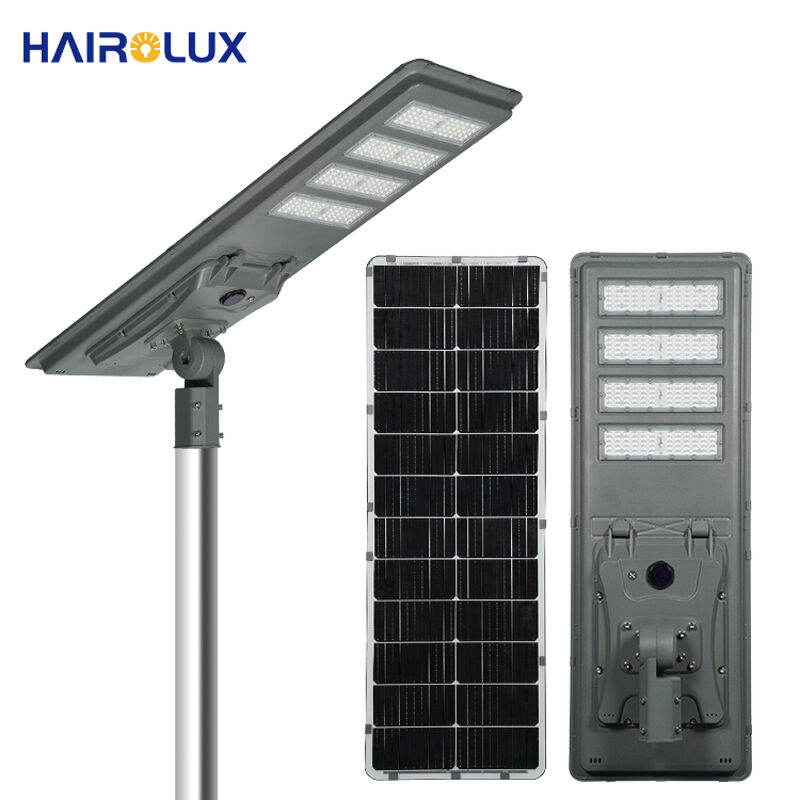
Benefits of Sustainability and Safety for LED Solar Street Light
Installation of solar street lights and their safety attributes by ensuring no high-tension electric risks is invaluable for the safety of the communities using the solar street lights especially those that are flood prone, informal housing areas, and those that are at risks for theft. Furthermore, the system of lighting simplifies the elimination of all the dangerous AC wires, and high-voltage components, and Divert and do an outstanding job of protecting the environment. Each street light installed diverts approximately 0.5 tons per year of CO2 emissions each year as compared to the emissions from the burning of fossils for electricity to run street lights. Additionally, LED lighting systems have a prolonged lifecycle compared to traditional system that collapses decade after decade driving down waste generation, and therefore, keeping the environment from further damaging. In addition, through solar powered systems installed, cities do not incur approximately $740,000 per power loss (According to Ponemon Institute 2023) as solar lights provided by the installed system continue to light the street. It helps people see where they are walking and makes it safe to walk and it reduces crime in areas that are poorly illuminated by the light. The system and lighting equipment do not rely and are not connected electrical system.
FAQs
What are the advantages of LED solar street lights compared to conventional lighting?
Because of the technology in LED lights, they use less electricity since they produce more lumens per watt than conventional lights such as high-pressure sodium lamps or metal halides. Furthermore, they are more efficient at directing light, which diminishes light waste.
In what ways are LED solar street lights blackouts resilient?
They can store energy in their built-in batteries, which means they can remain lit, even when the grid goes down. As a result, when there are power outages, there will continue to be light from these street lights.
Are LED solar street lights more economically favourable than conventional street lights?
Even though they have high initial costs, LED solar street lights are in the long term, economically favourable because no civil works, grid connection or maintenance costs are required.