
 EN
EN



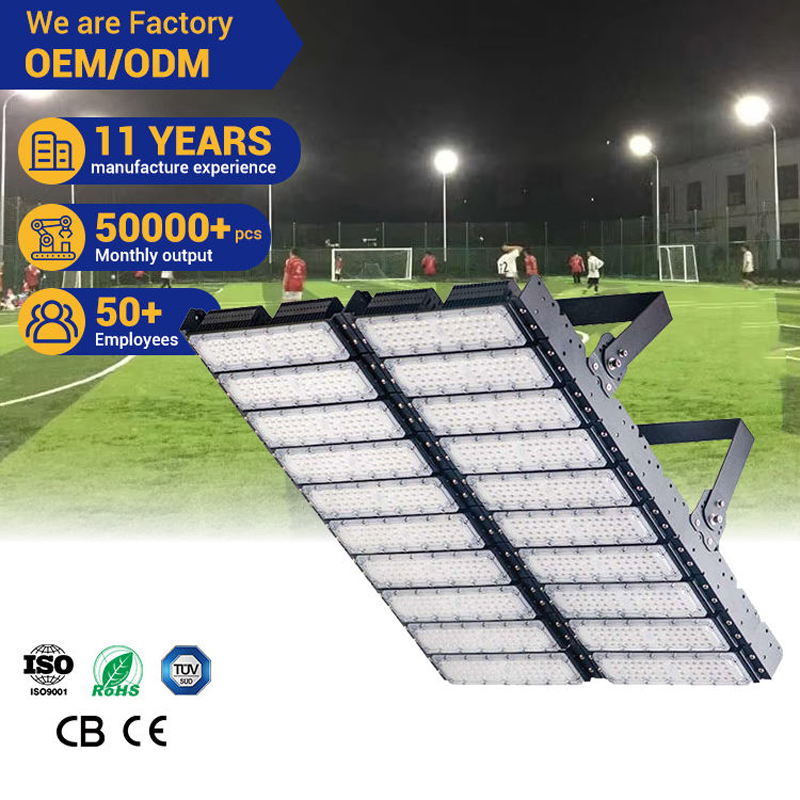
Fulfilling Broadcast Specific Illumination Standards
Lux levels (600-1000+ lux) with Compliance to FIFA Level A & IES RP-6
To ensure smooth motion capture without blur on HD and UHD cameras, vertical lighting between 600 and 1000+ lux is required for football fields to look good on TV. FIFA’s top class games have an 800 lux minimum requirement, and IES RP-6 has additional requirements to ensure the broadcast capture is of good quality. Most modern stadiums opt for LED lights because of their highly sophisticated machinery and optics, allowing more than 150,000 lumens to be released from each lighting unit. Moreover, the latest LED technology reduces the amount of light wasted around the playing area by 40% compared to obslete systems that employ metal halide lighting. As a result, the lighting ensures that slow mo replays are clear. Additionally, the lighting meets the requirements set by international broadcasting standards.
Uniformity Ratio (U ≥ 0.6-0.7) for Balanced Exposure and Player Safety
Lighting systems with uniformity ratios between 0.6 and 0.7 means that no one is getting hit with less than 60-70% of the light directed to the brightest point. This also eliminates the more annoying hotspot and lower light areas where players may trip over nothing. Consider a soccer field where the center of the field receives 1000 lux. This means that the corners should still receive at least 600 lux to 700 lux. Without the center hotspot, the more dangerous uneven areas of the field are less of a problem and the camera won’t have to adjust exposure as it pans across the field, which is critical for covering sporting events without a lot of commentary and cuts.
Color Accuracy: 5000K-5700K CCT AND CRI ≥ 90 at HD/UHD Broadcast Fidelity
Lighting with a color temperature between 5000K and 5700K and a color rendering index above 90 provides the best results. This type of lighting ensures true color representation in sports broadcasts, including the colors of player jerseys, grass fields, and the essential markings on the pitch. A lighting solution in this range also helps alleviate the problem of overly green and overly red color casts that are common in today's high-resolution 4K HDR broadcasts. This problem is exacerbated in high dynamic range imaging scenarios. Metal halide lamps, which commonly used to be the standard, can be unreliable because they tend to shift to a yellow color as they age. On the other hand, modern LED systems offer better color stability and consistency over their usable lives. There is also an advantage to the use of LED systems in that higher CRI levels can assist video assistant referees in making clearer decisions on the color of cards during wet field conditions. Broadcasters have seen this improvement in the past few seasons.
Less Visual Distraction with Broadcast Optimized LED Stadium Light Optics
Glare Control: UGR < 25, GR ≤ 50 = Stable Cam, Comfortable Viewers
LED stadium lights need to be designed with the Unified Glare Rating (UGR) under 25. To improve the viewer experience, whether they are in the stadium or at home, it is imperative to control the glare. Lighting engineers have to design for the systems to mitigat the camera lens glare in addition to making it more bearable for the spectators to sit in the stands for the entire game. The glare control significantly reduced the need for camera operators to re-focus and adjust the control panel settings. Stadiums that met UGR guidelines had their cameras need to be re-focused 40% less during fast action shots.
Flicker-Free Functionality and Exact Beam Angle Adjustments for Perfect Live Coverage
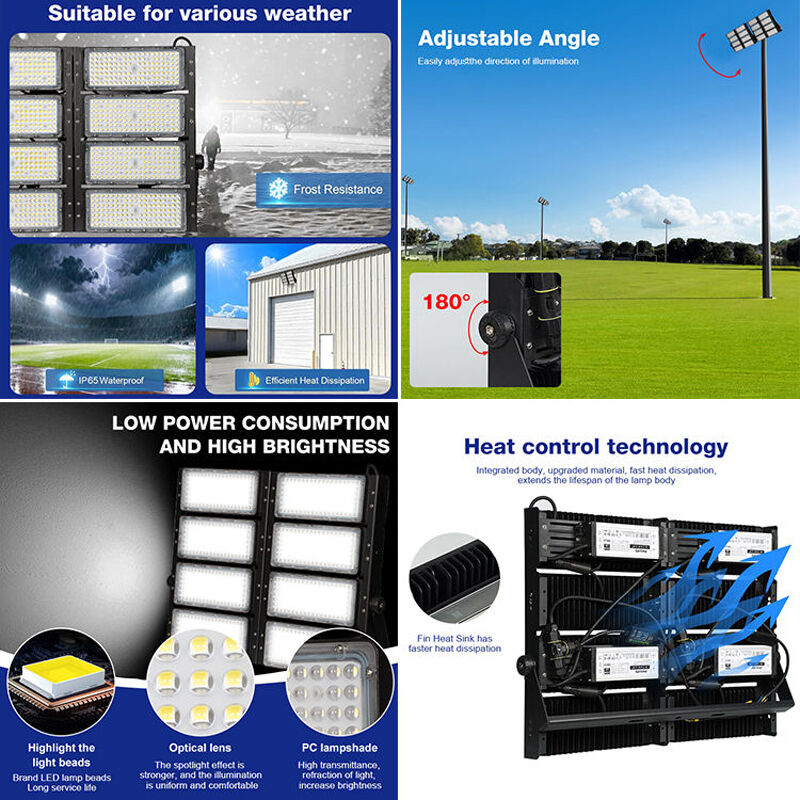
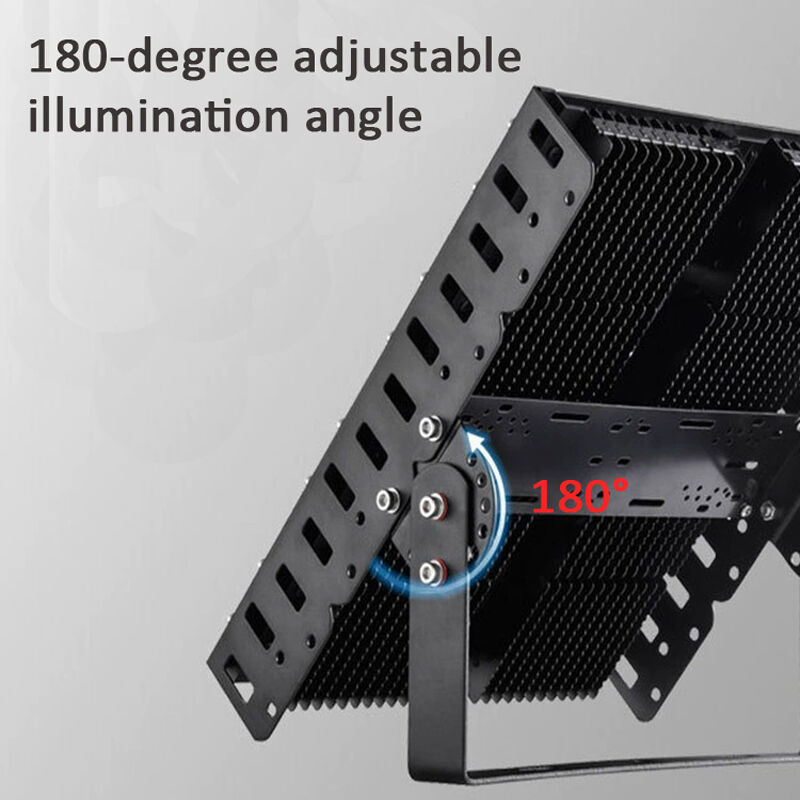
Flickering lights cause the dreaded banding effect on slow motion replays and when videos are broadcasted in 120fps. The positive takeaway is that broadcast quality LED stadium lighting completely alleviates the banding effect due to its ability to operate at drive currents above 3,000Hz. These systems are also equipped with asymmetric optical systems that allow for beam angle adjustments from 15 degrees, all the way to 60 degrees. This means that all the narrow beam adjustments are going to keep the lenses from being dirty due to unwanted glare, while all the wide beam adjustments are going to provide the lighting uniformity across the entire field. This all ensures no interruptions to the 4K and UHD broadcasts, even when the cameras are at the height of their movements during the most action-packed sequences.
Optimized Pole Layout and Photometric Design for Full Field Coverage
When combined with the proper layout of the pole placement and with the overall design of the lighting, the combination an even, uniform and glare-free illumination on the entire field of play is eliminated. This also prevents the creation of unwanted shadows and hot spots that might be detrimental to the players and the quality of the broadcast.
Strategic Positioning of Poles (4-6 per side, 50-70 ft height) and Light Distribution
The placement of 4-6 poles on each sideline at 50-70 ft heights ensures optimal lighting levels while preventing light from spilling outside the area of interest. The taller the poles, particularly on the 70 ft. side, the greater the spacing (and therefore the fewer the number of poles) since the goal is to ensure compliance with international standards for lighting on the field. The placement, aiming angles, and distribution of each light zone are determined using advanced computer models known as photometric models to ensure proper lighting. The use of twin mounts and the cross-beam configuration of the poles improves the lighting of dark areas and maximizes the illumination within the central field area (that is, the area with the greatest player movement). In addition, FIFA standards are analyzed to verify that the lighting quality, uniformity, and compliance with the 0.7 ratio and glare under 25 are maintained in all critical viewing areas (from the cameras and within the field of play).
How much illumination do broadcast football fields need?
Depending on the level of detail needed, broadcast football fields need vertical illumination of anywhere between 600 and 1000+ lux. Level A FIFA fields need a minimum of 800 lux.
What is the role of uniformity ratio in stadium lighting?
Stadium lighting uniformity ratios in the 0.6 to 0.7 range help evenly distribute light to prevent the presence of both bright and dark areas on the field. This improves the safety of players and the quality of the broadcast.
What is the Color Accuracy and how does it affect sports broadcast?
Accurate, true-to-life color of teams and officials is essential for viewers, especially for those in the referee's line of sight. Color accuracy of 5000K to 5700K AND color rendering index 90 is the standard for broadcast color fidelity.
What is glare control in stadium lighting?
The control of glare improves the quality of the image and the ease with which viewers can watch it.
What is the impact of flicker-free lighting on sports broadcasting?
Lighting with no flicker and a driver frequency of over 3000Hz allows for seamless and uninterrupted live broadcasting and the ability to easily show slow motion replays without banding.