
 EN
EN



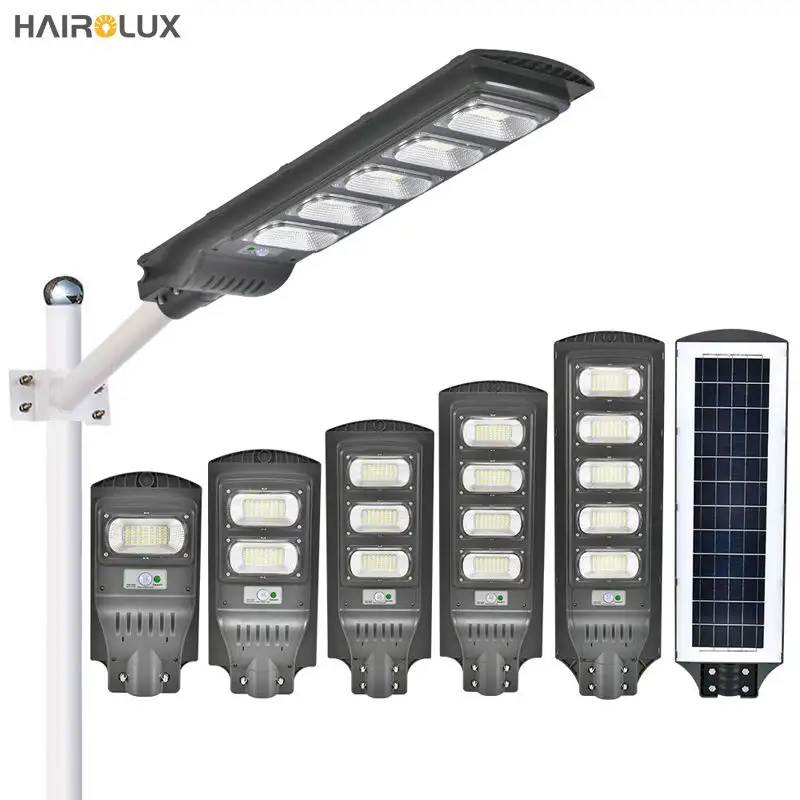
The Unique Challenges of Coastal Environments
Seaside road lighting faces conditions that inland installations never encounter. Salt-laden air accelerates metal corrosion at rates 5 to 10 times higher than inland. High humidity with salt accelerates electrical contact degradation. Reflected UV from water increases solar panel degradation. An outdoor solar street light for coastal installation must address all three through material selection, sealing, and surface treatments.
Corrosion Resistance Requirements
Salt spray attacks outdoor solar street light components through three pathways. The pole corrodes at the base where saltwater pools. Mounting hardware experiences galvanic corrosion where dissimilar metals contact. Electrical connectors oxidize, increasing resistance and generating damaging heat.
The material specification should use 316L stainless steel or marine-grade aluminum (5052 or 6061-T6) for exposed metal components. Standard galvanized steel with 100 grams per square meter zinc coating loses protection within 3 to 5 years in coastal environments. G90 galvanizing at 275 g/m² extends this to 10 to 12 years. Marine-grade powder coating over galvanizing provides the best long-term protection.
Electrical Enclosure Sealing
IP66-rated enclosures are the minimum for coastal outdoor solar street light installations — protecting against powerful water jets and complete dust ingress. IP67 or IP68 provides additional margin for temporary storm surge submersion. Cable entry points are the most common water ingress location — silicone compression gland seals maintain performance longer than rubber fittings, which harden and crack after 3 to 5 years.
Optical and Solar Performance in Coastal Conditions
Salt Film on Solar Panels
Salt spray creates a film on photovoltaic panels reducing light transmission by 5 to 15 percent within two weeks without cleaning. Over months, crystallized salt becomes progressively harder to remove. An outdoor solar street light for coastal use should include anti-soiling coated panels with a minimum 15-degree tilt angle for rain-assisted natural washing. Scheduled manual cleaning every 30 to 60 days maintains panel efficiency above 90 percent.
LED Lens Selection
Polycarbonate lenses exposed to salt spray develop haze and micro-pitting within 2 to 4 years. Tempered glass lenses with silicone edge seals maintain clarity for 10 to 15 years. The 15 to 20 percent cost premium for glass is recovered through avoided premature lens replacement.
Battery Enclosure Thermal Management
Lithium iron phosphate batteries degrade faster in coastal heat combined with salt air. The enclosure should vent through hydrophobic membranes allowing pressure equalization while blocking salt ingress. Light-colored finishes and ventilated mounting away from ground reflection reduce compartment temperature by 5°C to 10°C — every 10°C above 25°C halves lithium battery calendar life.
A Practical Case: Coastal Highway Lighting Upgrade
A Southeast Asian coastal municipality operated 3.2 kilometers of grid-powered highway lighting along a shoreline road. Salt corrosion caused eight pole base failures annually at $12,000 in replacement costs. Electrical junction box corrosion created intermittent failures during monsoon season.
The municipality replaced the system with 160 outdoor solar street light units from Hairolux with marine-grade aluminum poles, IP67 enclosures, tempered glass lenses, and anti-soiling coated panels. Each unit operates independently, eliminating single-point failure risk. After three years, zero pole replacements have been required. Panel cleaning at 45-day intervals maintains energy harvest above 90 percent. Annual maintenance is approximately $3,200 — 73 percent below the previous system.
Selection Criteria
Specify marine-grade materials — 316L hardware, IP66 minimum enclosures, tempered glass lenses. Require salt spray testing per ASTM B117 for 1,000 hours minimum. Include anti-soiling panel coating and self-cleaning tilt angle. Budget for panel cleaning every 30 to 60 days. Annual inspection of battery enclosures for saltwater intrusion and torque checking of electrical connections prevents the gradual degradation that coastal environments accelerate. Corrosion at any connection point should prompt immediate cleaning and application of anti-corrosion terminal grease before damage spreads.
Frequently Asked Questions
What IP rating is required for a coastal outdoor solar street light?
IP66 is the minimum for salt spray protection. IP67 or IP68 provides margin for storm surge. Cable glands should use silicone compression seals rather than rubber.
How does salt spray affect outdoor solar street light panel efficiency?
Salt film reduces light transmission by 5 to 15 percent within two weeks. Anti-soiling coatings with 15-degree panel tilt and cleaning every 30 to 60 days maintain efficiency above 90 percent.
Is stainless steel or aluminum better for coastal outdoor solar street light components?
316L stainless steel offers highest corrosion resistance but at higher weight and cost. Marine-grade aluminum with powder coating provides adequate protection at lower weight. Hairolux supplies outdoor solar street light models with both options.
Do coastal solar lights need special batteries?
LiFePO4 batteries need hydrophobic membrane-vented enclosures to block salt ingress. Light-colored enclosures and ventilated mounting reduce compartment temperatures, extending calendar life.
Glass or polycarbonate for coastal solar light lenses?
Tempered glass maintains clarity for 10 to 15 years. Polycarbonate develops haze within 2 to 4 years from salt spray. The glass premium is recovered through avoided replacement.
What is the expected service life of a coastal outdoor solar street light?
With marine-grade materials and regular cleaning, 10 to 15 years. Battery replacement at 6 to 8 years in tropical coastal environments. LED modules typically exceed the fixture life.