
 EN
EN



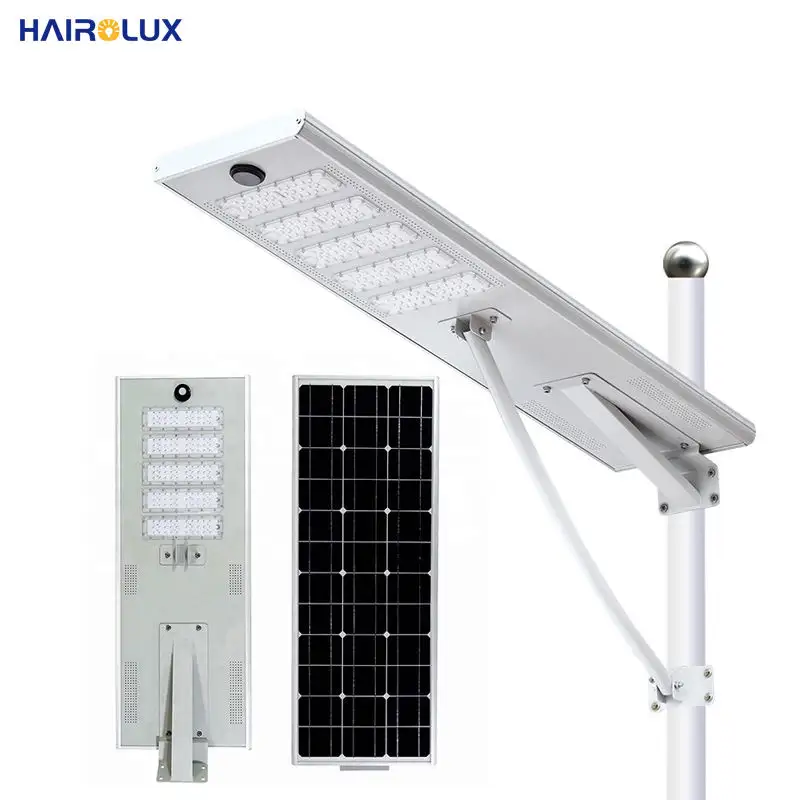
A Coastal Path That Failed in One Season
The Cheap Units That Died
A seaside promenade installed a batch of low-cost solar street lamp units to avoid trenching for grid cable. Within one wet season, half went dark. The sealed batteries swelled, the panels hazed, and the housings showed rust at every screw. The contractor had paid the lowest invoice, but the path that was meant to stay lit through winter became a liability the town had to rewire anyway, which doubled the real cost and pulled a crew back to a job marked finished.
What a Better Unit Did
A second solar street lamp model on the same path used a LiFePO4 cell, a coated steel bracket, and an IP66 seal. It ran through two winters without a dark span, and the beam stayed even because the charge controller held the battery in its safe window. The better solar street lamp cost more per unit, but the town stopped sending a truck every month, and the service ticket was never opened because the parts simply held through the seasons the cheap batch could not survive. Walkers on the promenade noticed the even beam at 6 a.m., when the first cheap units had already dimmed, and the council could point to a path that stayed lit as the proof the higher invoice was the cheaper one over two winters.
Where Inferior Solar Street Lamp Falls Short
Battery, Charge Control and Panel
The battery is the part that fails first, and an inferior solar street lamp pairs a cheap cell with a bare regulator that overcharges on clear days and deep-drains on cloudy ones. The cell sulfates or swells, and the light dies long before the diodes. Panels get overstated on paper too, so the bank never fully charges and the lamp fades before dawn on the long nights it was bought to cover. A proper MPPT controller and an honest IEC 61215 panel rating are the changes that separate a lamp that lasts from one that limps through a single season. The charge controller also sets the cutoff so the cell never drops to a depth that kills it, which is the quiet spec a buyer skips and a maintenance crew later pays for when the solar street lamp goes dark on the first grey week of the year.
Housing, IP and Rust
A cheap solar street lamp uses thin alloy and a soft gasket, so the seam rusts and the lens fogs from within. IEC 60529 sets the IP code, and IP65 resists dust and jets while IP66 adds stronger wash, but the rating means nothing once the gasket hardens. The bracket also matters near the coast, where salt eats uncoated steel in a year, so the fix is a coated mount, not a thicker bulb. A unit that passes IEC 60598 for the luminaire build still fails if the bracket gives way first.
What Defines a Quality Solar Street Lamp
Battery Chemistry and Cycle Life
A quality solar street lamp builds on a LiFePO4 cell rated under IEC 62619 for industrial use, with the safety envelope of IEC 62133. That chemistry tolerates deep cycles and heat far better than lead-acid or unknown lithium, so the bank holds charge across seasons. UL 1973 covers the stationary battery system in North America, and a maker that prints the cell grade on the solar street lamp earns the trust the sealed barrel never could. Cycle life, not the headline capacity, is what decides the years of service.
Panel, Driver and Photometric Test
The panel, the driver and the lens decide the beam, and a quality solar street lamp ships the photometric file that proves the spread and the output. IEC 60598 covers the luminaire build, and ISO 9001 at the plant is the baseline that keeps the same unit consistent across a batch. The proof is in the test report, not the sticker, so a buyer should ask for the file before the pallet ships, not after the first dark span appears on a path meant to stay lit.
Buy, Verify and Maintain With Confidence
Spec Checks Before Purchase
Before ordering a solar street lamp, ask for the cell grade, the panel IEC 61215 report, and the IP rating with the test house named. Match the battery bank to the local cloudy-day count, not the catalogue average, and confirm the charge controller type. A supplier such as Hairolux that lists these on the datasheet signals a unit built to last, while a quote that dodges the cell chemistry is the first red flag a buyer can catch on paper, well before any truck rolls back to repair a failed batch.
Site Check and Upkeep
At handover, run the solar street lamp through one full dusk-to-dawn cycle and log the on-time and the beam evenness against the plan. Wipe the panel each season so dust and bird drop do not steal charge, and check the gasket and bracket for the first sign of rust. A six-month visual pass catches a hazed lens or a loose mount before it becomes the dark span that started the cheap batch's downfall, and the record also proves the unit was verified as specified at delivery. The same log helps the next purchase, because a solar street lamp that holds its on-time across four seasons tells the buyer exactly which cell grade and which seal to order again, turning one good job into a repeatable spec instead of a fresh gamble.
Frequently Asked Questions
Question: Which battery suits a solar street lamp best?
Answer: A LiFePO4 cell rated under IEC 62619 outruns lead-acid and unknown lithium in a solar street lamp because it tolerates deep cycles and heat without swelling. UL 1973 covers the stationary bank in North America. The cell grade printed on the unit is the truest sign of life, so ask for it before the pallet ships rather than after a winter failure on a public path.
Question: How do I catch an overstated panel?
Answer: An inferior solar street lamp quotes panel watts the cell never delivers, so the battery never fully charges and the light fades before dawn. Ask for the IEC 61215 test report and size the bank to the local worst-case cloudy stretch. A maker that publishes the real panel file proves output; one that hides it is selling the brochure's sunny average that no real winter matches.
Question: What IP rating should the lamp have?
Answer: A solar street lamp near coasts or wash-down earns at least IP65 under IEC 60529, with IP66 where stronger jets hit. The rating only holds while the gasket stays soft, so the six-month check covers the seam, not just the lens. A rusted bracket from uncoated steel fails the housing long before the diodes dim, so coat the mount.
Question: How many cloudy days can it cover?
Answer: A quality solar street lamp sizes the battery bank to the local longest cloudy run, commonly three to five days, so the light holds through a wet spell. An inferior unit sizes to a sunny average and dies on the first grey week. Match the bank to the real climate, confirmed by the datasheet, not the catalogue's best case that no month actually delivers.
Question: How often should the battery be replaced?
Answer: A LiFePO4 bank in a solar street lamp often serves four to six years before capacity drops below the dusk-to-dawn need, far longer than lead-acid. Log the on-time each season and replace the cell when the lamp starts fading before dawn. Swapping the battery beats scrapping a housing whose panel and lens are still good, which keeps the path lit cheaply.
Question: Can a buyer install a solar street lamp alone?
Answer: A pole-mounted solar street lamp needs a rated bracket, a level base, and a safe lift, so a trained crew earns the call on any public path. The electrical hookup is simple, but the aim and the gasket seat decide the life, so follow the maker's sheet. A loose mount or a pinched gasket is what turns a good unit into the next dark span on the promenade.