
 EN
EN



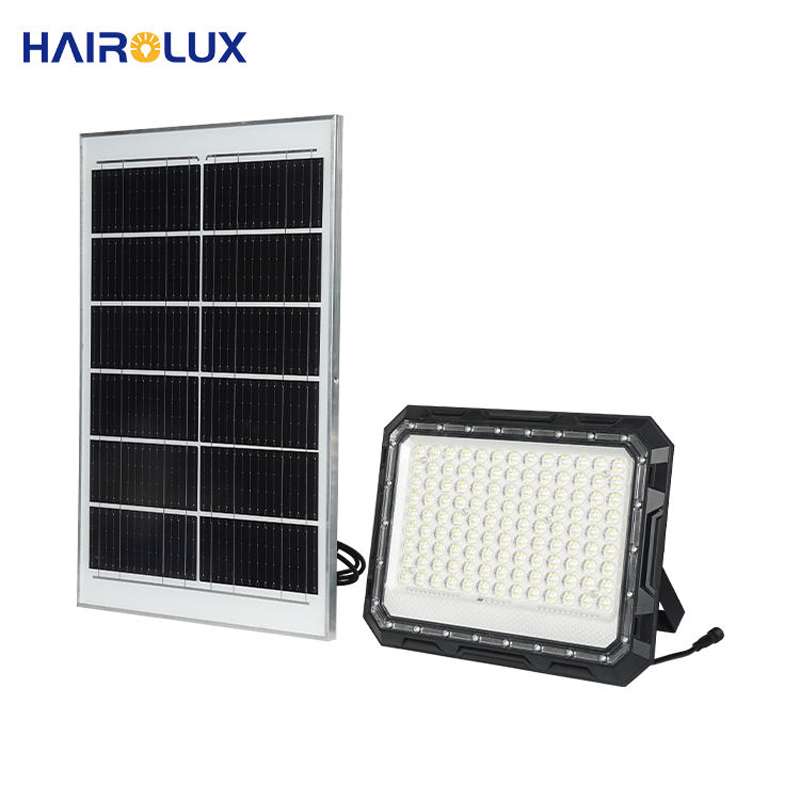
The Systems Involved to Make Solar Powered Light Work
Solar flood lights use 4 main parts to convert sunlight into usable electricity to power themselves. In the start of the process, the solar panel collects sunlight and initiates the photovoltaic effect to create Direct Current (DC) electricity, and in order to create commercially usable solar panels, companies use monocrystalline materials which have an efficiency of 15-22% (percent) in the creation of electricity. In order to convert the sunlight into usable electricity, the solar panel must have the light energy convert to electrical energy.
The Stages of the Solar Light Process
Once the solar panel collects enough electricity, it begins sending it to the battery. In order to prevent the battery from being overcharged and discharging too deeply, a charge controller is added to regulate the electricity flow. Lithium ion battery technology and LiFeP04 battery technology have over a ten-year usable life with over 2,000 charge cycles. The battery allows the lights to run for 12 hours while being away from a power grid for charging, which means the lights can be used away from power grids.
Illumination
Once the sun goes down, light sensors along with high-efficiency LED fixtures are automatically triggered to illuminate the lights. Depending on the install and configuration, the LED light fixtures can produce 3,000-8,000 lumens. The process from start to finish is done digitally, resulting in the elimination of wiring and the average 70% carbon footprint reduction compared to wired lights (Renewable Energy Journal, 2023).
Important Factors when Assessing Quality of Solar Powered Flood Lights
Lumens, Beam Width, and Overall Shining Impact
The level of illumination and light distribution area is measured in lumens. Thus, the more the lumens, the more the area is illuminated. A solar flood light capable of illuminating a driveway or the perimeter of a property should generate a minimum of 1000 lumens and can be as high as 2000 lumens. It should be noted that the beam angle determines the coverage area. A beam that is wide with a 120-degree angle can light an area of between 500 and 1000 square feet, while a beam with a narrower 90-degree angle will be focused in a particular area. A typical driveway with a 2-car maximum configuration can use up to around 1500 lumens, with a 120-degree angle beam. With the correct selection of solar flood light, dark spots can be illuminated while energy is conserved. Higher lumens solar flood lights can be illuminated during the day, even when the weather is overcast. This is because the solar panel is larger and has a more powerful battery.
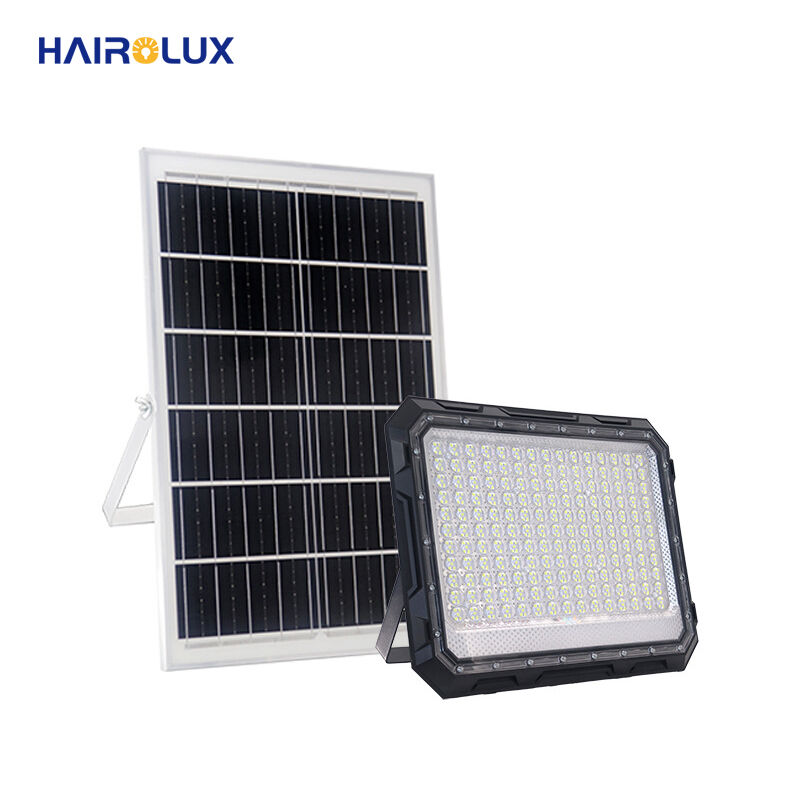
Battery Capacity, Panel Efficiency, and All-Weather Reliability
The power storage capacity of a battery dictates how long the battery will last before it needs a recharge, expressed in watt-hours (Wh). For example, a typical 36Wh battery will last 8-10 hours on 1,000 lumens brightness. Regarding solar panels, monocrystalline batteries tend to outperform polycrystalline batteries, particularly during the early morning and late evening hours when there is not a lot of light. Tests show that, during these conditions, monocrystalline batteries charge the batteries approximately 25% faster polycrystalline batteries. Weather resistance is equally important. Most solar panels have an IP rating, and, for example, panels that are IP rated 65 or higher are designed to handle dust and rain with no issues. Most panels are designed to work in temperatures ranging from -20 degrees Celsius to 50 degrees Celsius. For panels to work in the winter, select solar panels designed to shed snow, and pair them with batteries that have mechanisms to protect them from cold temperatures.
Best Practices for Installation to Get Optimal Performance from Solar Flood Lights
Sun Exposure/ Solar Flood Light Mounting Height/ Motion Sensor Adjustment
We cannot stress enough how important getting the installation correct the first time is to the overall performance. Solar panels need to receive direct sunlight for 6 to 8 hours every day. For locations north of the equator, panels need to be adjusted to face true south. In order to optimize their efficiency during the winter months, panels can be seasonal adjusted to save approximately 25% of lost output. This is according to research conducted by NREL from 2022. For the best coverage of security lighting, it is ideal to have a mounting height of 8 to 10 feet. Lights that are mounted lower than this height will prevent people from triggering the sensors. On the other hand, Lights mounted higher than 10 feet will allow people to walk under the sensors without triggering the lights.
Consider checking the activation areas at dusk before doing a more permanent installation. You may want to adjust the field of view to cover 180 degrees to capture motions and tweak the sensitivity to avoid constant activations by small critters like racoons. The duration of the motions can be set between 30 and 90 seconds to conserve battery life based on the specific needs of the application. Don't forget to check the weatherproofing on the seals when mounting the hardware. A broken seal can get water into the unit, and ruined components can cause big headaches someday.
When evaluating outdoor lighting options, solar flood lights and basic wired systems operate in fundamentally different realms due to variance in pricing, reliability, and eco-friendliness. At face value, solar models cost 20 to 50 percent more than their wired competition. However, utility costs associated with powering the lights must also be factored in over time, thereby providing greater value in areas that are cost prohibitive to connect to the power grid. The installation process also differs to such an extent that the installation cost variance is substantial. Because solar systems do not require trenching to be installed, there are significant savings in commercial trenching costs that average approximately $740,000 according to the Ponemon Institute 2023. Therefore, while solar systems are installed and operational in hours with little other work, wired systems require lengthy work and additional costs due to the need for licensed electricians in addition to all the other stipulations in the permitting and the electrical wiring setup.
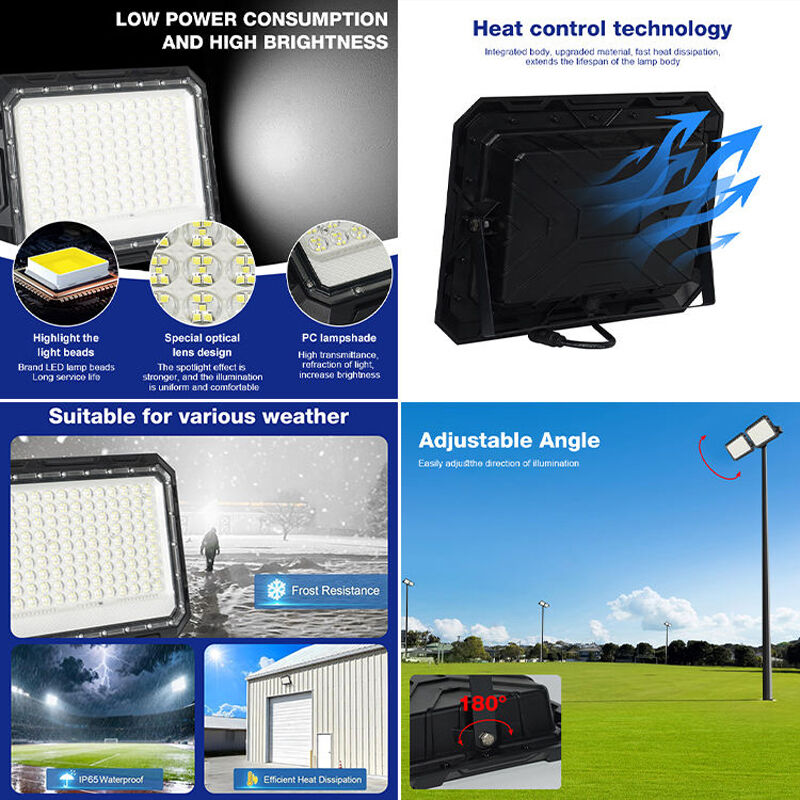
The reliability of a lighting system can depend on many factors. Traditional wired options can be dependable when it comes to rain or snow, making it good for security areas where failures can be a problem. Solar lighting options need sunlight to charge. Depending on the sunlight during the day, a good quality solar system can last 8 to 12 hours when fully charged. Using a reuseable energy source, solar options do not produce any carbon emissions, making solar options a good fit for green buildings.
When looking at different options, choosing one depends on the placement.
Commercial: Solar lighting options are good for fencing, parking lots, and gates. Wired options are better for large warehouses and important commercial buildings.
Residential: Wired options are better for main entrances that need better lighting. Solar options are good for garden and pathway lighting.
When it comes to lighting options, the main difference is the ability to control lighting and the ability to have a consistent source of light.
FAQs
Do solar flood lights work on cloudy days?
Yes, solar flood lights work on cloudy days because they have batteries in which they store energy that they have collected from the sun. However, their efficiency will be greatly reduced on cloudy days.
How long will the batteries in solar flood lights last?
The batteries that are in this type of lights are modern lithium ion or LiFePO4 batteries and can last more than 10 years and over more than 2,000 charge cycles.
What is a good height for mounting solar flood lights?
A good height for mounting solar flood lights is 8-10 feet because this height will give you a good balanced coverage and an overall good efficient motion detection.
Are wired flood lights better than solar?
This depends on the application. Normally, wired flood light systems are more reliable in situations that require a lot a lot of light. Spaces such as warehouses are good examples of applications where wired flood lights are better than solar flood lights. Solar flood lights, on the other hand, are better to use in locations with no access to electricity and therefore no energy costs.