
 EN
EN



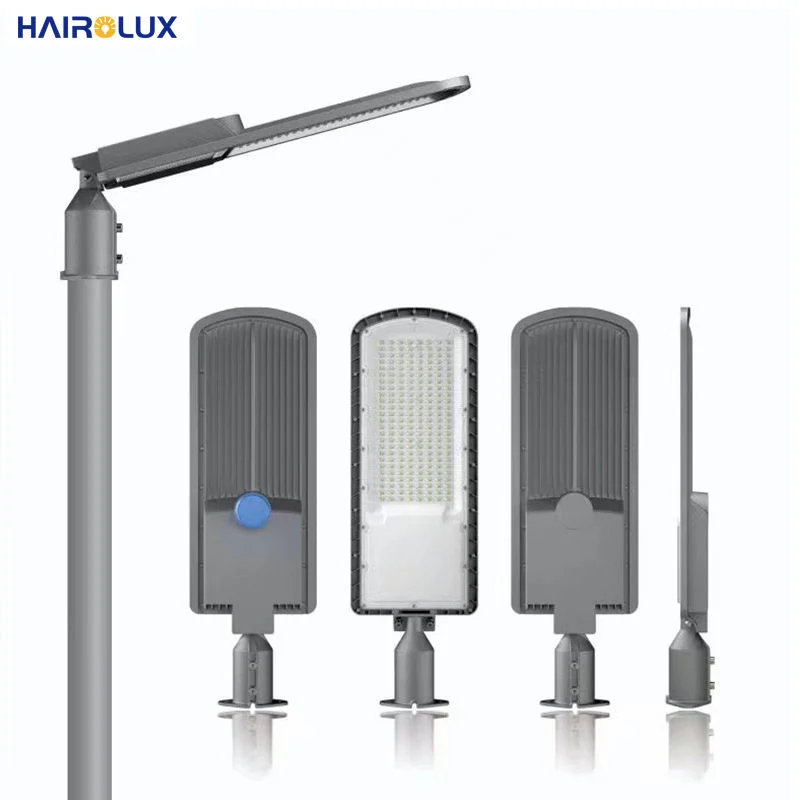
Მზის ენერგიით და ქსელიდან მომარაგებული ქუჩის სინათლე: ხუთი კითხვა, რომელიც გადაწყვეტს ამ არჩევანს
Პროექტის მენეჯერი, რომელიც დგას 3 კილომეტრიანი სოფლის გზის სასაზღვრო ზოლზე, სადაც 500 მეტრის რადიუსში არ არსებობს ელექტროენერგიის ინფრასტრუქტურა, უკვე გადაწყვიტა მზის წინააღმდეგ ქსელის არჩევანს: ერთი ქუჩის სინათლის დასაკავშირებლად 500 მეტრის გასაჭრელად ელექტროკაბელის ჩასაყენებლად სჭირდება 15–25 ევრო მეტრზე, ანუ 7 500–12 500 ევრო მხოლოდ დაკავშირების ხარჯებზე — ერთი სინათლის შეძენამდე. მზის ენერგიით მომარაგებული ქუჩის სინათლე, რომელიც არ სჭირდება მიწის ჩაჭრა, ტრანსფორმატორი, ელექტროსათავსება და თვიური ელექტროენერგიის გადასახადი, ავტომატურად იმარჯვებს სრული დაყენების ღირებულებით. სამი კილომეტრით უფრო შორს, ქალაქის ქუჩაზე, სადაც არსებული ელექტროკაბელის ქვემიწა კონდუიტი მიედინება ტროტუარის ქვეშ, ქსელის მომარაგებით მომარაგებული ქუჩის სინათლე, რომელიც არსებულ ინფრასტრუქტურას იყენებს, დაყენებისა და მოვლის ხარჯებში იკლებს მზის ენერგიით მომარაგებული სინათლის წინააღმდეგ, რომელსაც სჭირდება ფოტოელექტრული პანელი, აკუმულატორი და მუხტის კონტროლერი — და ქსელის მომარაგებით მომარაგებული სინათლე არ იკლებს ერთი კვირის წვიმიანი ამინდის დროს. მზის ენერგიით ან ქსელის მომარაგებით სინათლის არჩევანი არ არის იდეოლოგიური. ეს არის ინფრასტრუქტურული მათემატიკური ამოცანა, რომელსაც ხუთი ცვლადი აქვს.
HAIROLUX, რომელიც წარმოებს მზის ქუჩის სინათლის და ქსელის მიერ მომარაგებული LED ქუჩის სინათლის პროდუქტებს თავის ძირითად საწარმოში გუანდუნის პროვინციაში, ძონგშანში, და რომელიც მომსახურებს 200-ზე მეტი ქვეყნის მოსახლეობას, თავისი პროექტების ფასდაკლებებს ადგენს ამ ხუთი ცვლადის მიხედვით: ქსელთან მიახლოება (ყველაზე ახლო მოწყობილობის წერტილიდან თითოეული სვეტის ადგილმდენ მანძილი), მზის გამოსხივება (პროექტის ადგილზე წლიური მზის სინათლის საუკეთესო საათები, რომელიც განსაზღვრავს პანელებისა და ბატარეების ზომებს), დაყენების ხარჯები (ქსელის შემთხვევაში — მიწის გაჭრა, კაბელების დაყენება, ტრანსფორმატორის და სვეტების აყენება, ხოლო მზის შემთხვევაში — მხოლოდ სვეტების აყენება), წლიური ექსპლუატაციის ხარჯები (ქსელის ელექტროენერგია ადგილობრივი ელექტროსადგურის ტარიფებით და მზის შემთხვევაში — ბატარეების 5–7 წელიური შეცვლა) და სანდოობის მოთხოვნები (ქსელის მიერ მომარაგებული ქუჩის სინათლის 99,9%-ზე მეტი მუშაობის ხანგრძლივობა და მზის ქუჩის სინათლის 95–99% მუშაობის ხანგრძლივობა, რომელიც შეზღუდულია მიმდევრობითი ღრუბლიანი დღეების ავტონომიით). ამ ხუთი კითხვის პასუხები განსაზღვრავს სამომავლო პროექტის საუკეთესო ქუჩის სინათლის ტექნოლოგიას — ხოლო შერეული პირობების მქონე პროექტები (მაგალითად, გზის ნაკვეთები, რომლებიც მდებარეობენ ქსელის მიერ მომარაგებული ადგილების მიმდევრობაში და არ მდებარეობენ ამ ადგილებში) ხშირად გამოიყენებენ ორივე ტექნოლოგიას, ვიდრე მთელ მარშრუტზე ერთი ამონახსნის გამოყენებას მოახდენენ.
Მზის ქუჩის სინათლის ტიპები და მათი უპირატესობები
HAIROLUX-ის მზის ქუჩის სინათლის პორტფოლიო მოიცავს სამი კონფიგურაციას: ინტეგრირებულს ერთიანი მზის ქუჩის სინათლის მოწყობილობა (მზის პანელი, ბატარეა, LED სინათლის წყარო და კონტროლერი ერთ კომპაქტურ სინათლის სხეულში განთავსებული, 30 ვტ–120 ვტ, სახლობრივი ქუჩებისა და ბილიკებისთვის მოსახერხებელი 3–8 მეტრიანი სვეტების სიმაღლის შემთხვევაში), გამოყოფილი ტიპის მზის ქუჩის სინათლე (ცალკე მზის პანელი და ბატარეა მოცულობის მორგების სიმარტივისთვის, მაღალი ვატიანობის გამოყენებებისთვის შესაძლებელი უფრო დიდი პანელებისა და ბატარეების გამოყენება), და ჭკვიანი მზის–ელექტროქსელის ჰიბრიდული ქუჩის სინათლე (ორმაგი სისტემა ავტომატური მზის სისტემიდან ელექტროქსელში გადართვით, რომელიც უზრუნველყოფს 100 % სინათლის უწყვეტობას გრძელი ღრუბლიანი პერიოდების განმავლობაშიც). თითოეული ქუჩის სინათლის ტიპი მოიცავს სხვადასხვა პოზიციას ხარჯების და სიმდგრადობის სპექტრში.
Რეალური გამოყენება: შერეული ტექნოლოგიის გზასავალის პროექტი
Აღმოსავლეთ აფრიკის გზატკეცილის მართვის ორგანიზაცია, რომელიც 42 კილომეტრიანი მარშრუტის პასუხისმგებლობას ატარებს, ამ ერთი და იმავე გზაზე სამი განსხვავებული ინფრასტრუქტურული პირობა შეხვდა: 12 კილომეტრიანი ქალაქური მონაკვეთი, სადაც ყველა სვეტის ადგილას არსებობს არსებული ელექტროქსელი; 18 კილომეტრიანი საქალაქო მონაკვეთი, სადაც ელექტროქსელი მხოლოდ დაახლოებით ნახევარ სვეტის ადგილას არსებობს; და 12 კილომეტრიანი სოფლის მონაკვეთი, სადაც ელექტროქსელის ინფრასტრუქტურა საერთოდ არ არსებობს. ამ ორგანიზაციამ HAIROLUX-თან ერთად შეიმუშავა შერეული ქუჩის სინათლის ამოხსნა: ქალაქურ მონაკვეთზე — ელექტროქსელით მოწოდებული LED ქუჩის სინათლის მოწყობილობები (ყველაზე დაბალი დაყენების ღირებულება, არ არის საჭიროება ბატარეის მოვლა); საქალაქო მონაკვეთზე — მზის ენერგიისა და ელექტროქსელის შერეული ქუჩის სინათლის მოწყობილობები (სადაც ელექტროქსელი არ არსებობს — მზის ენერგიით, სადაც არსებობს — ელექტროქსელით დაკავშირებული, ყველა ერთი მართვის პლატფორმის მეშვეობით მართვის ქვეშ); და სოფლის მონაკვეთზე — დამოუკიდებელი მზის ენერგიის ქუჩის სინათლის მოწყობილობები (რაც არიდებს 180 000-იან ღრმა სათავსების ხარჯს, რომელიც ელექტროქსელის მხოლოდ გამოყენების შემთხვევაში სოფლის მონაკვეთზე მოუხდებოდა). ეს შერეული მიდგომა სრული პროექტის ღირებულებას მინიმიზაციაში მოახდინა — დაახლოებით 420 000-ში, რაც 310 000-ით ნაკლებია ელექტროქსელის მხოლოდ გამოყენების შემთხვევაში სოფლის მონაკვეთზე სრული სათავსების საჭიროების შემთხვევაში და 85 000-ით ნაკლებია მზის ენერგიის მხოლოდ გამოყენების შემთხვევაში, რომელიც ქალაქურ მონაკვეთზე ელექტროქსელის არსებობის გამო ბატარეის სიმძლავრის ჭარბ დამონტაჟებას მოითხოვდა.
Ხშირად დასმული კითხვები
Როგორ გამოვთვლი სოლარული ქუჩის სინათლის ბატარეის ზომას?
Გაამრავლეთ LED-ის ვატი ღამის სამუშაო საათებზე, გაყავით სისტემის ძაბვაზე და გაამრავლეთ ავტონომიის დღეებით (ჩვეულებრივ 3–5 დღე ღრუბლიანი ამინდის რეზერვისთვის). მაგალითად: 60 ვტ LED × 12 საათი ÷ 12 ვოლტი × 3 დღე = 12 ვოლტზე 180 ამპე-საათი ბატარეა. დაამატეთ 20 % გამოყენების ღრუბლის ბუფერისთვის (LiFePO₄ ბატარეები შეიძლება გამოიყენონ 80–90 %-მდე დაზიანების გარეშე). HAIROLUX ბატარეების ზომებს პროექტის დაგეგმვის დროს არჩევს.
Რა ხანგრძლივობით არსებობენ სოლარული ქუჩის სინათლის ბატარეები?
LiFePO₄ (ლითიუმ-რკინის ფოსფატის) ბატარეები ჩვეულებრივ 5–7 წელი ან 2 000–3 000 სრული მუშაობის ციკლი გრძელდება, სანამ მათი ტევადობა 70 %-ზე დაბალდება. სვინის-მჟავის ბატარეები 2–3 წელი გრძელდება. ბატარეის შეცვლა სოლარული ქუჩის სინათლის სისტემის ძირითადი ხელახალი ხარჯია. HAIROLUX გრძელი სიცოცხლის ხანგრძლივობის და უკეთესი ტემპერატურული მოსარგებლობის (-35°F დან 55°F-მდე) მიზნით იყენებს LiFePO₄ ბატარეებს.
Რა ხდება სოლარული ქუჩის სინათლის შემთხვევაში ერთი კვირის განმავლობაში წვიმის დროს?
Საკმარისი ზომის მზის ქუჩის სინათლე, რომელსაც 3–5 დღის ბატარეის ავტონომია აქვს, განაგრძავს მუშაობას მთელი კვირის განმავლობაში მოხუჭული ამინდის პირობებში შემცირებული სიკაშკაშით (ავტომატურად იკლებს სიკაშკაში სამუშაო დროის გასაგრძელებლად). როდესაც ავტონომია ამოიწურება, ქუჩის სინათლე გამოირთვება შემდეგი დატენვის ციკლამდე. HAIROLUX-ის მზის-ქსელის ჰიბრიდული ქუჩის სინათლეები თავიდან არიდებენ გამორთვებს ავტომატურად გადასვლით ქსელის ძალით მუშაობაზე, როდესაც ბატარეის მარაგი ამოიწურება.
Არის თუ არა ქსელით მოწოდებული ქუჩის სინათლე ყოველთვის იაფი გრძელვადი პერიოდში?
Არ არის აუცილებლად. 15 წლის განმავლობაში ქსელით მოწოდებული ქუჩის სინათლე იწვევს ელექტროენერგიის ხარჯებს (მაგალითად, 100 ვტ × 12 საათი/დღე × 365 დღე × 0,12/კვტ·საათი × 15 წელი = დაახლოებით 7 900 ერთეულზე). მზის ქუჩის სინათლე ამ ხარჯს არიდებს, მაგრამ იგივე პერიოდში სჭირდება ერთხელ ბატარეის შეცვლა (150–400). დაბალი ელექტროენერგიის ტარიფების შემთხვევაში ქსელით მოწოდებული ვარიანტი შეიძლება იყოს იაფი; მაღალი ტარიფების ან შორს მდებარე ადგილების შემთხვევაში მზის ვარიანტი გამარჯვებს TCO-ში. HAIROLUX საკლიენტო შეთავაზებებთან ერთად ამზადებს TCO-ში შედარებებს.
Შემიძლია თუ არა ერთ პროექტში მზის და ქსელით მოწოდებული ქუჩის სინათლეების შერევა?
Კი — HAIROLUX-ის შერეული ტექნოლოგიის ქუჩის სინათლის მიდგომა იყენებს ერთსა და იმავე ბოძის დიზაინს, მონტაჟის სიმაღლეს და ოპტიკურ განაწილებას როგორც მზის, ასევე ელექტროქსელის სინათლებში, რაც უზრუნველყოფს ვიზუალურ ერთიანობას გზის გასწვრივ და ამავე დროს აოპტიმიზებს თითოეული ბოძის ღირებულებას მიხედვად იმისა, არის თუ არ არის ელექტროქსელის ხელმისაწვდომობა.
Რომელი სერტიფიკატები უნდა ჰქონდეს მზის ქუჩის სინათლეს?
CE (ევროპული უსაფრთხოება), RoHS (საშიში ნივთიერებების შეზღუდვა), IEC 61215 (მზის პანელების სიმძლავრე), IEC 62133 (აკუმულატორების უსაფრთხოება) და IP65/IP66 (შეღწევის დაცვა). HAIROLUX მფლობელობაში აქვს ISO 9001, TUV, FCC, CE და RoHS სერტიფიკატები, რომლებიც მოიცავს მზის ქუჩის სინათლების პროდუქტების სერიას.